Overview
Ankle weights and neck weights are specialized tools used primarily in scuba diving to help divers maintain proper buoyancy and trim underwater. While traditional weight belts and integrated weight systems are common, these additional weights serve unique purposes that can enhance diving comfort and control. Understanding when and how to use ankle and neck weights is essential for divers seeking optimal underwater positioning and safety.
Trim weights, including ankle and neck weights, are designed to counterbalance the diver’s body and equipment distribution. This is particularly important when wearing different types of exposure suits or carrying heavy gear. Proper weighting ensures that divers can maintain a horizontal, streamlined position that reduces drag and conserves energy.
In this guide, we will explore the function of ankle and neck weights, their impact on drysuit weighting and scuba weighting, and best practices for safe and effective use. Whether you’re a recreational diver or a professional, knowing how to integrate these weights into your setup can improve your underwater experience significantly.

What ankle weights and neck weights do
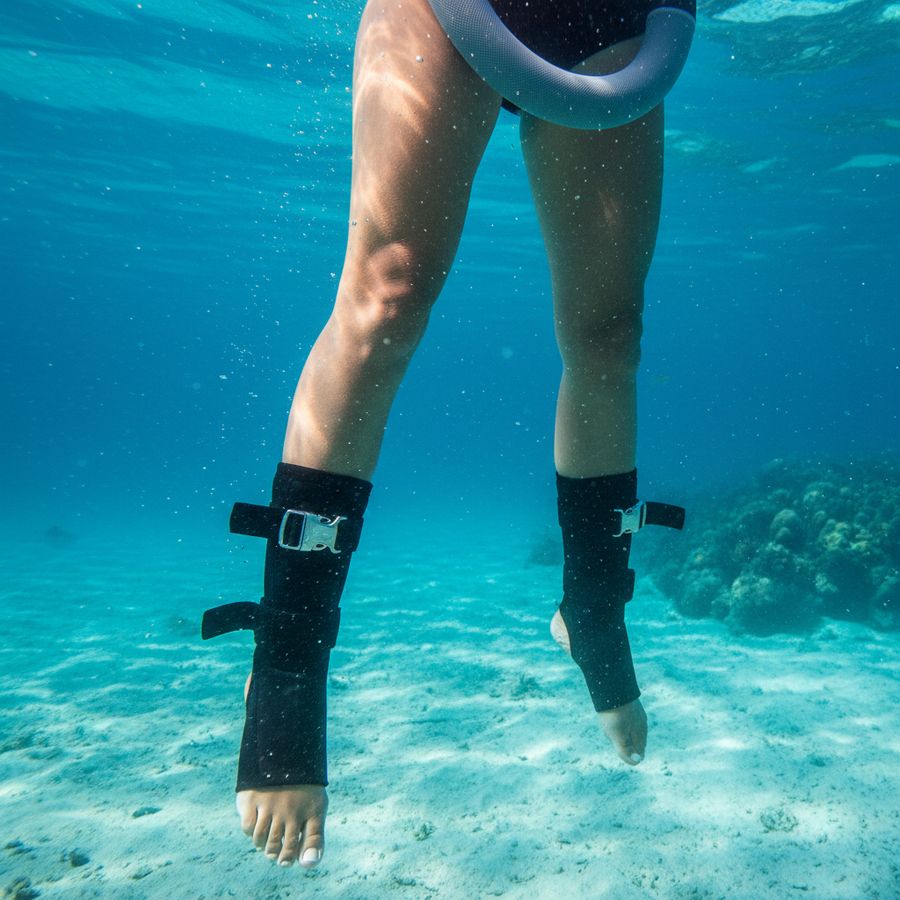
Ankle weights and neck weights serve to improve a diver’s trim by shifting weight distribution to achieve better balance underwater. Ankle weights are typically worn around the lower legs, helping to prevent the legs from floating upwards, which can disrupt a horizontal swimming position. Neck weights, worn around the neck or integrated into hoods, help counterbalance the upper body, especially when a diver’s head or torso tends to float upward.
By adding weight at the extremities, these weights fine-tune buoyancy and trim, allowing divers to maintain a more natural and efficient posture. This improves propulsion and reduces the effort required to stay horizontal.
“Using ankle weights and neck weights correctly can enhance your diving trim, leading to more streamlined movement and less fatigue underwater.”
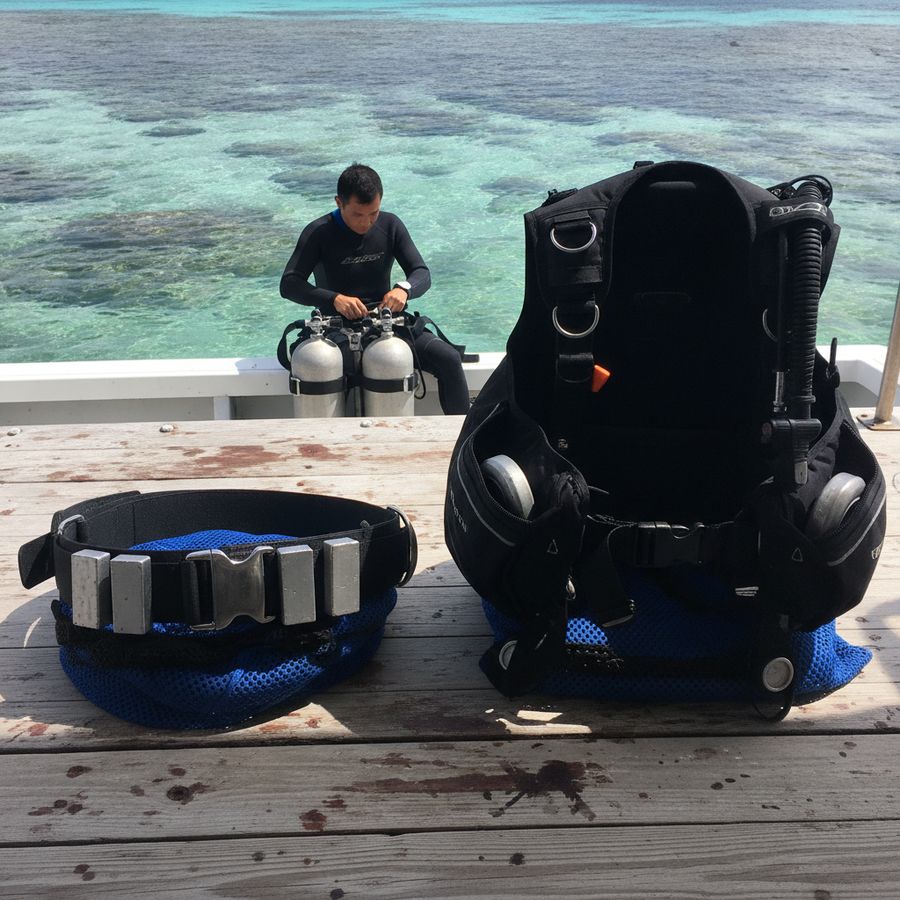
Both types of weights complement traditional scuba weighting systems, such as weight belts or integrated weight pockets, by addressing specific buoyancy challenges that arise from body shape, equipment configuration, or exposure suits.
Improving trim for drysuit and thick suits
Drysuit weighting and trim management are critical for divers wearing thick exposure suits, as these suits add buoyancy and bulk. Thick wetsuits and drysuits trap air, which affects buoyancy distribution and can cause a diver’s legs or upper body to rise undesirably. This imbalance makes it difficult to maintain a proper horizontal trim.
Adding ankle weights helps to counteract the buoyant effect on the legs, preventing them from floating upwards and creating drag. Neck weights serve a similar purpose at the upper end by pulling the torso and head downward, which is especially useful in drysuits where buoyancy is concentrated in the torso region.
Properly placed trim weights improve comfort and streamline your profile, reducing physical effort and increasing dive safety. For divers using heavy suits, fine-tuning trim weights such as ankle and neck weights is often essential to achieving balanced buoyancy and effective propulsion.
How much weight to add safely
Adding the right amount of ankle and neck weights is crucial to avoid discomfort, cramps, or impaired movement. Overweighting can lead to strain and fatigue, while underweighting may compromise trim and buoyancy control. As a general guideline, ankle weights typically range from 0.5 to 2 kilograms per leg, depending on the diver’s body composition, exposure suit thickness, and overall gear setup.
Neck weights are usually lighter, often between 0.5 and 1 kilogram, since the neck is a sensitive area and excessive weight can cause discomfort or restrict movement.
“Start with minimal weights and incrementally add more, testing trim and comfort in a controlled environment before diving.”
Always prioritize safety by ensuring that ankle and neck weights are securely fastened and do not interfere with your range of motion or emergency procedures. Consulting with experienced divers or instructors can also help determine the optimal weighting strategy for your particular setup and diving conditions.
Proper placement to avoid cramps and strain
The placement of ankle weights and neck weights is key to maximizing their benefits while minimizing risks such as cramps or muscle strain. Ankle weights should be positioned just above the ankles, snug but not too tight, allowing for freedom of movement without slipping. Avoid placing weights too low on the foot, which can hinder finning and cause discomfort.
Neck weights should be evenly distributed around the neck or integrated into diving hoods or collars when possible. They must not constrict breathing or head movement, nor should they cause pressure points that can lead to pain or cramping.
- Ensure all weights are fastened securely to prevent shifting during the dive.
- Regularly check for signs of numbness or discomfort during and after the dive.
- Adjust placement if any discomfort, cramps, or restricted motion occur.
Correct placement helps maintain trim and buoyancy while preserving diver comfort and preventing injury. It’s also important to perform pre-dive checks and practice swimming with weights in a safe environment before open water dives.
Alternatives to ankle weights for better trim
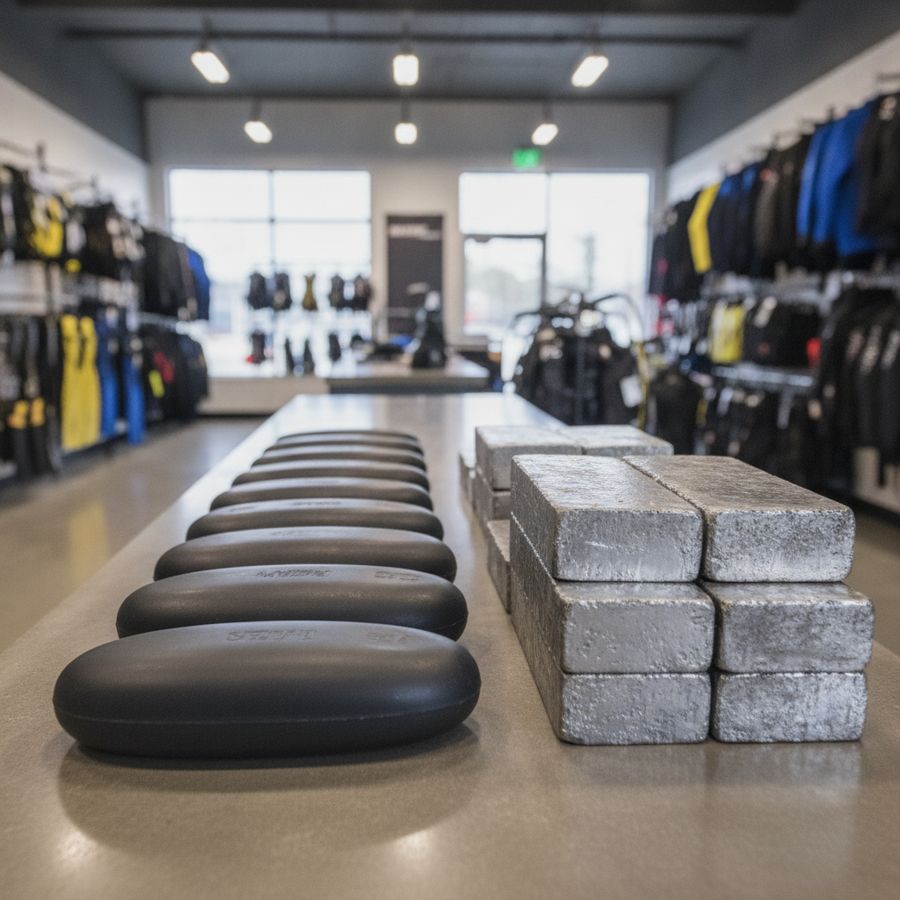
While ankle weights are effective, divers seeking alternatives for better trim have several options to consider. One common method is adjusting the placement of integrated weight pockets in buoyancy control devices (BCDs) or weight belts to shift weight distribution more effectively. Some divers prefer soft lead bags attached strategically around the legs or hips to avoid the bulkiness of ankle weights.
Another alternative is using trim pockets or ballast systems designed to be modular and adjustable, allowing divers to fine-tune weight placement without relying solely on ankle or neck weights. These options can offer more comfort and flexibility, especially for divers sensitive to ankle or neck pressure.
“Exploring different weighting techniques can help you find the most comfortable and efficient trim setup tailored to your dive style and gear.”
Experimenting with various weighting systems, including soft lead pouches or tech blocks, can be a practical approach to achieve optimal trim and buoyancy, especially for divers with unique body shapes or equipment configurations.
Conclusion
Ankle weights and neck weights are valuable tools in a diver’s weighting arsenal, especially when traditional scuba weighting alone does not provide ideal trim. Their thoughtful use improves buoyancy balance, reduces drag, and enhances comfort, which ultimately contributes to safer and more enjoyable dives.
Understanding the purpose of these weights, how to add them safely, and where to position them properly can make a significant difference in underwater performance. Divers wearing drysuits or thick exposure suits often find ankle and neck weights indispensable for maintaining horizontal trim.
Always approach weighting with safety and comfort in mind, starting with minimal weights and adjusting progressively while monitoring your body’s response. Alternatives to ankle weights also exist and should be considered to optimize your individual dive setup. With the right weighting strategy, you can experience better control, less fatigue, and improved dive efficiency.