Overview
Choosing the right scuba weight belt is an essential step for any diver aiming to achieve optimal buoyancy, comfort, and safety underwater. A scuba weight belt serves as the foundation for securely carrying scuba weights that help counteract buoyancy from wetsuits and other dive gear. Without proper weighting, controlling your ascent and descent can become challenging, leading to inefficient diving and potential safety risks.
When selecting a weight belt, divers must consider several factors, including the belt’s fit, material, buckle type, and weight distribution. The right belt not only supports the lead weights securely but also ensures comfort during long dives and quick release in emergency situations. Given the critical role a scuba weight belt plays, investing time in understanding the options available is well worth the effort.
In addition to comfort and fit, security is paramount. A belt that slips or allows weights to shift can cause instability underwater, increasing exertion and air consumption. The diver’s safety depends on the weight belt remaining firmly in place while allowing quick removal if needed.
In this guide, we explore the different types of scuba weight belts available, how to size them correctly, and the importance of quick release buckles. We also discuss preventing belt slip and uneven weight loading, and when to choose belt weights versus integrated buoyancy control device (BCD) weights. Understanding these elements will help you select a scuba weight belt tailored to your diving needs.
“A well-fitted, secure scuba weight belt is not just about convenience; it’s a critical component of dive safety and performance.”

Weight belt types: nylon vs rubber
When it comes to scuba weight belts, two primary materials dominate the market: nylon and rubber. Each type offers distinct advantages and considerations that affect comfort, durability, and security underwater.
Nylon weight belts are popular for their lightweight nature and adjustability. They often come with quick-release buckles, making them easy to don and doff. Nylon belts are flexible and dry quickly, which adds to comfort during surface intervals and travel. However, nylon belts can stretch over time and may not provide the same level of grip against the wetsuit or dive skin, potentially increasing the chance of slippage if not properly secured.
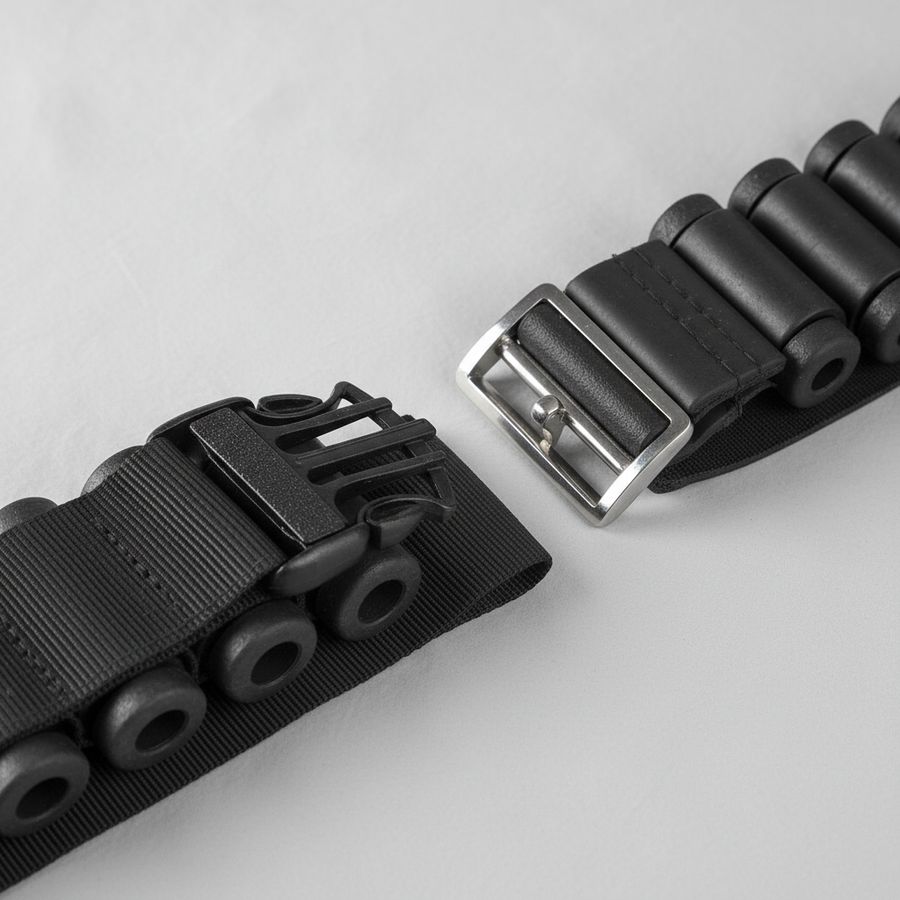
On the other hand, rubber weight belts offer superior grip and durability. The natural elasticity of rubber helps the belt conform snugly to the diver’s waist, reducing movement and slipping. Rubber belts are generally thicker and heavier, which adds to their robustness but may feel bulkier, especially when dry. Many rubber belts come with stainless steel or corrosion-resistant buckles, enhancing their lifespan in saltwater environments.
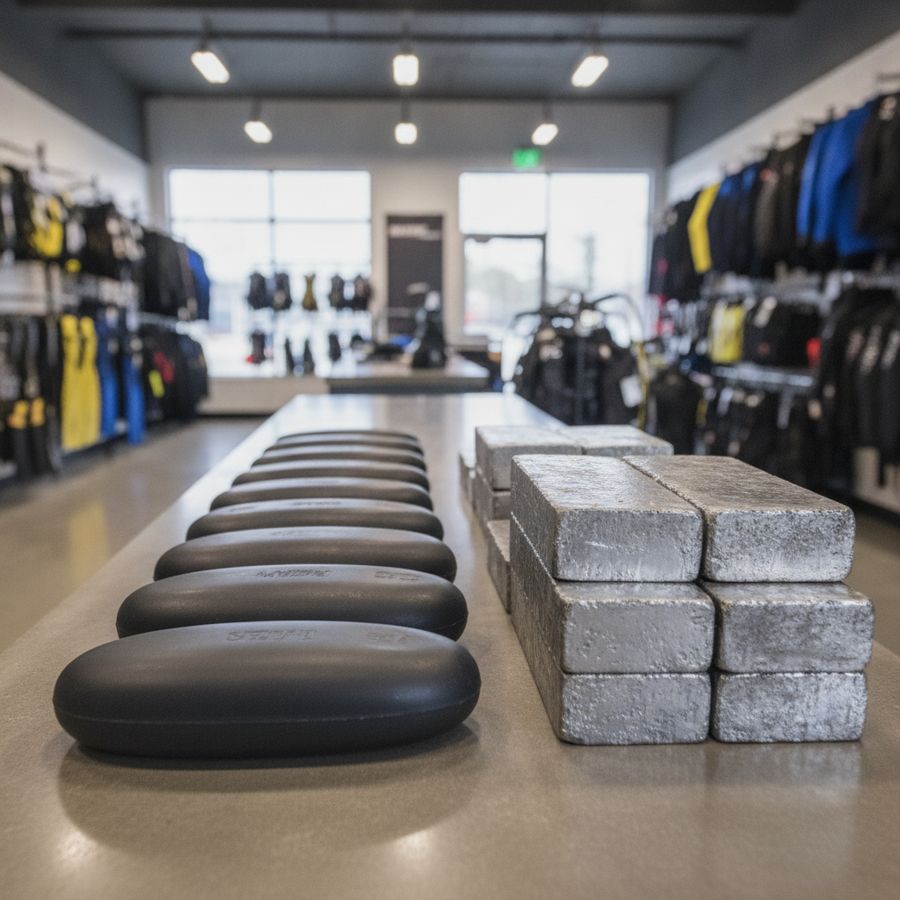
Both belt types can accommodate scuba weights such as lead blocks or soft lead bags, but the choice depends on your diving style and preferences. For instance, a diver who values minimal weight and quick adjustments may prefer nylon, while those prioritizing security and durability may lean towards rubber.
- Nylon belts: Lightweight, adjustable, dries quickly, may stretch
- Rubber belts: Durable, excellent grip, elastic fit, bulkier
Ultimately, selecting between nylon and rubber weight belts involves balancing comfort against security. Many dive professionals recommend rubber belts for cold-water or technical diving where equipment stability is critical, while recreational divers often prefer nylon for ease of use.
How to size a scuba weight belt correctly
Correct sizing of a scuba weight belt is crucial for ensuring comfort and effective weight distribution during your dive. An ill-fitting belt can cause discomfort, chafing, or worse — unintended weight shifting underwater. Here’s how to size your scuba weight belt accurately.
Begin by measuring your waist or hips where you intend to wear the belt. Most divers wear the weight belt over the wetsuit, so measure with the wetsuit on for the most accurate fit. Use a flexible tape measure and note the circumference in centimeters or inches.
A good scuba weight belt should be adjustable enough to fit snugly without feeling tight or restrictive. Ideally, the belt length should be about 6 to 12 inches (15 to 30 cm) longer than your measured waist to allow for comfortable adjustment and the addition of weights.
When selecting a belt, consider the thickness and material. Rubber belts, due to their elasticity, might offer a tighter fit with less length than nylon belts. Always check manufacturer sizing charts for guidance.
It’s important to test the belt fit before diving. The belt should sit securely around your waist or hips without sliding down or causing pressure points. When loaded with lead weights, it should maintain its position even during movement. A properly sized belt also allows the buckle to sit comfortably in a location where you can easily reach the quick release in an emergency.
Remember, the fit can change slightly depending on your exposure suit thickness and body position underwater, so always try the belt with your full dive gear ensemble to ensure the best fit.
“A well-sized scuba weight belt provides both comfort and peace of mind, allowing you to focus on your dive rather than adjusting your gear.”
Buckles and quick-release safety essentials
The buckle is arguably the most critical component of a scuba weight belt, as it determines how securely the belt stays in place and how quickly it can be released in an emergency. Understanding the types of buckles and their safety features is essential for any diver.
Quick release buckles are the industry standard for scuba weight belts due to their ease of use and safety benefits. These buckles allow divers to rapidly ditch their weights if they encounter difficulties underwater, such as entanglement or an uncontrolled ascent. The ability to release weights instantly can be lifesaving.
Quick-release buckles come in various designs, including cam buckles, metal snap buckles, and plastic side-release buckles. The best buckles combine durability with simple operation, ensuring they do not accidentally open but can be released swiftly when needed. Stainless steel or corrosion-resistant materials are preferred to withstand the harsh marine environment and prevent failure.
When choosing a scuba weight belt, check the buckle’s reliability by testing it under tension and ensuring it operates smoothly. Some divers prefer double-buckle systems for added security, while others opt for single quick-release buckles for simplicity.
- Quick release buckles enable rapid weight ditching in emergencies
- Durability and corrosion resistance are essential for buckle longevity
- Test buckle operation before every dive to ensure reliability
- Buckle placement should be accessible but not cumbersome
Safety is paramount — a buckle that fails or is difficult to release can have serious consequences underwater. Regular inspection and maintenance of your belt’s buckle mechanism are essential to keep your scuba weight belt functioning safely.
Preventing belt slip and uneven weight loading
Belt slip and uneven weight loading are common challenges that can affect dive comfort and safety. A slipping weight belt can cause sudden shifts in ballast, making buoyancy control difficult and increasing the risk of accidents.
To prevent belt slip, consider the following strategies:
- Choose the right material: Rubber belts offer better grip compared to nylon, reducing the chance of slipping.
- Proper fit: A well-sized belt that fits snugly over your wetsuit minimizes movement.
- Distribute weights evenly: Evenly spaced lead weights prevent unbalanced loads that can cause the belt to slide or rotate.
- Secure weights firmly: Use lead pouches or coated lead blocks designed to attach securely to the belt.
Uneven weight loading not only causes discomfort but also affects your trim underwater, forcing you to compensate with your fins and increasing fatigue. Proper distribution helps maintain a horizontal position, which is more hydrodynamic and energy-efficient.
Additionally, some divers use auxiliary weights such as ankle weights or integrated weights in their buoyancy control device (BCD) to fine-tune their balance. However, the core weight belt should remain stable and secure to avoid any unexpected shifting.
“Consistent, even weight distribution combined with a secure belt fit is key to safe, enjoyable diving.”
When to use belt weights vs BCD weights
The choice between using belt weights and integrated BCD weights depends on dive conditions, personal preference, and equipment setup. Both have advantages and limitations that can influence your underwater experience.
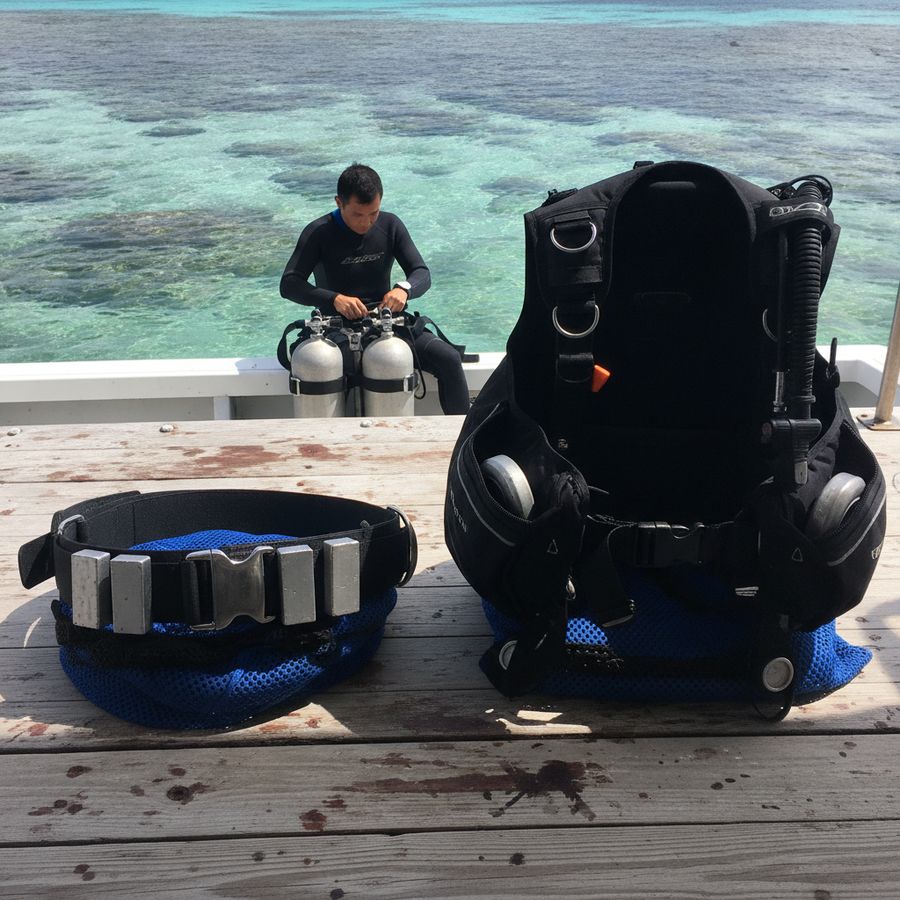
Weight belts are the traditional and most straightforward method for carrying lead weights. They offer versatility, allowing divers to add or remove weights easily and adjust placement as needed. Belt weights are often preferred in cold water diving, technical diving, or when wearing thick exposure suits that require more ballast.
In contrast, BCD weights are integrated pockets within the buoyancy control device, designed to hold lead weights securely. These pockets often feature quick-release mechanisms for ditching weights rapidly. BCD weights provide improved comfort by distributing weight more evenly across the torso and eliminating the pressure points that sometimes occur with belts.
However, BCD weights can be limited in total weight capacity and may be less adjustable mid-dive. Some divers combine both systems, using belt weights for primary ballast and BCD weights for fine-tuning buoyancy.
- Use belt weights when: diving with thick suits, requiring maximum weight, or seeking simple, adjustable ballast
- Use BCD weights when: prioritizing comfort, ease of weight ditching, and streamlined gear setup
- Combination approach: offers flexibility and better trim control
Understanding your dive profile and equipment will help you decide which weighting system best suits your needs. Always ensure weights are securely attached and that you can quickly release them if necessary.
Conclusion
Choosing the right scuba weight belt involves balancing fit, comfort, and security to optimize your diving experience. Whether you select a nylon or rubber belt, proper sizing and buckle reliability are critical factors that influence performance and safety underwater.
Quick release buckles are an indispensable safety feature, allowing divers to shed weights instantly in emergencies. Preventing belt slip through even weight distribution and secure attachment enhances comfort and trim, reducing fatigue and improving dive control.
The decision to use belt weights versus BCD weights depends on your diving conditions and personal preferences. Both systems have unique advantages, and many divers find a combination approach ideal for maintaining proper buoyancy and balance.
Investing in a high-quality scuba weight belt from a reputable specialist ensures you receive durable, well-crafted equipment tailored to your diving needs. Remember, your weight belt is not just an accessory — it’s a vital component of your dive safety and enjoyment.
“A well-chosen scuba weight belt supports your dive, enhancing comfort, control, and confidence beneath the surface.”