Overview
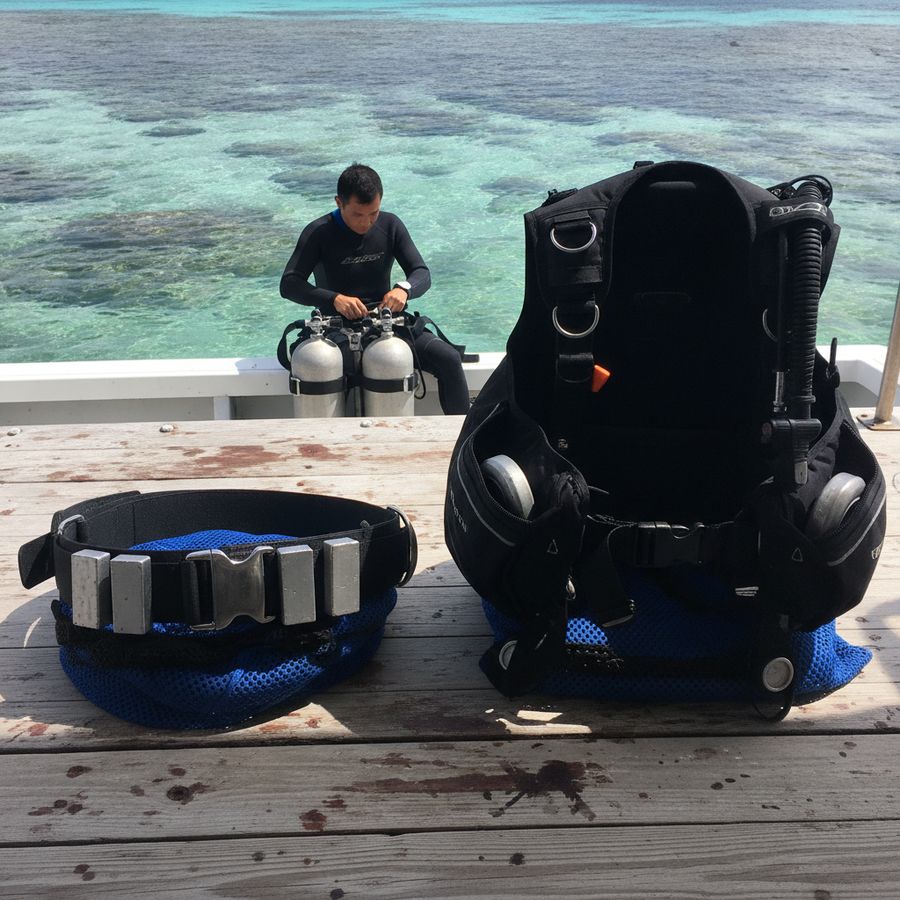
Dive weights are essential gear for any diver, helping to achieve neutral buoyancy underwater. The choice between coated dive weights and uncoated dive weights is a common consideration for divers and dive shops alike. Each type has distinct characteristics affecting durability, comfort, cost, and maintenance.
Coated weights typically feature a protective layer that prevents direct exposure of the lead to water and air, while uncoated weights are bare lead blocks. The decision hinges on various factors including oxidation prevention, ease of handling, and long-term value. Understanding these differences helps divers and professionals select the best option tailored to their needs.
“Choosing the right dive weights can greatly influence your diving experience, from comfort underwater to the maintenance required on shop shelves.”
Coated dive weights vs uncoated lead blocks
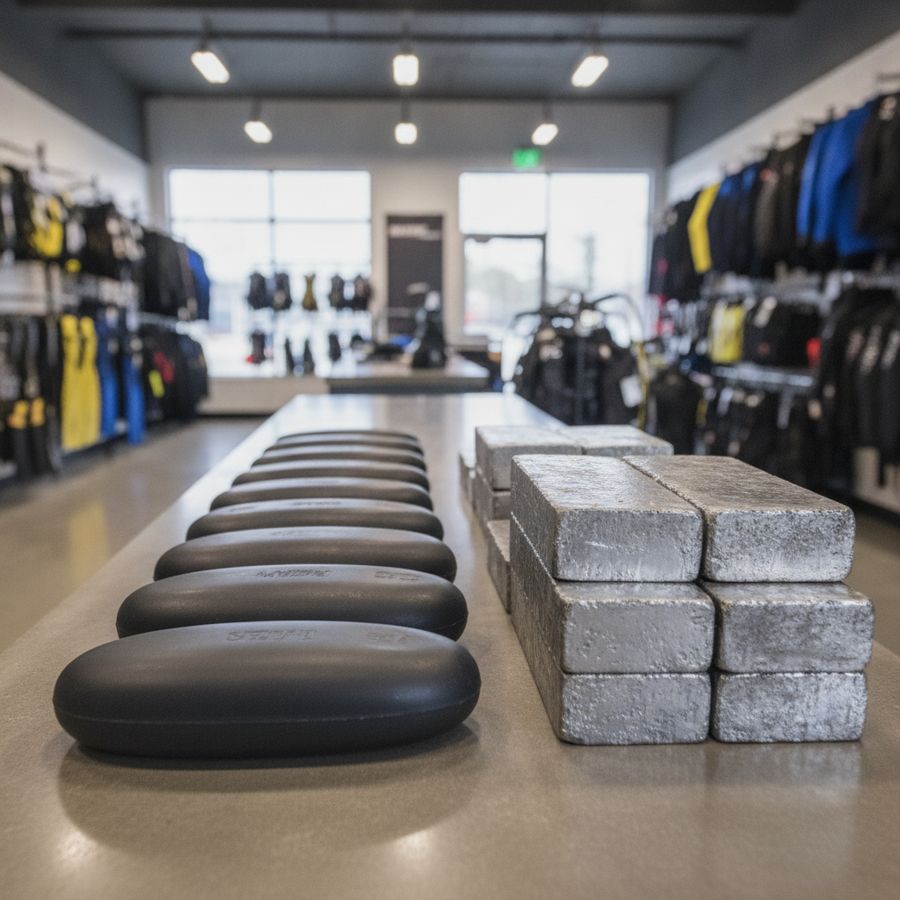
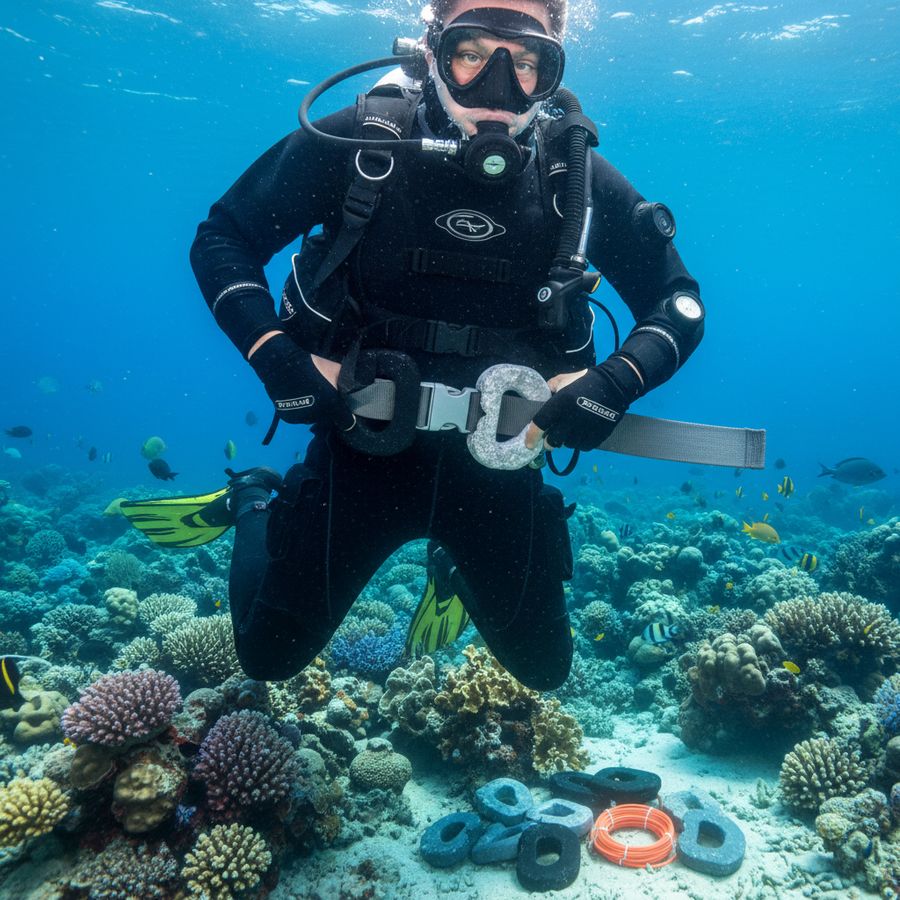
Coated dive weights are lead blocks covered with a protective layer, often plastic or vinyl, designed to shield the lead from external elements. This coating helps prevent oxidation and reduces the risk of lead chipping or flaking. In contrast, uncoated dive weights are raw lead blocks that offer a traditional feel but require more careful handling.
While uncoated weights are often preferred for their simplicity and slightly lower price, coated weights provide a cleaner, more professional appearance on the shelf and reduce lead dust exposure. Dive shops benefit from coated weights by maintaining a neat inventory and offering safer products to customers.
Durability and chip resistance in coated weights
Durability is a major advantage of coated dive weights. The protective layer acts as a barrier against physical damage such as chipping and cracking, common in uncoated lead blocks after repeated use or rough handling. This extends the lifespan of the weights significantly.
Coated weights withstand impacts better, preserving their shape and weight accuracy over time. This makes them especially suitable for professional use where reliability is critical. The coating also reduces lead dust and debris, maintaining a cleaner environment in dive shops and rental facilities.
Oxidation and staining risks on shop shelves
Lead is prone to natural oxidation, which causes discoloration and surface degradation. Uncoated dive weights often develop a white, powdery patina over time, leading to unsightly stains and corrosion that can affect buyer perception.
In contrast, coated weights offer excellent oxidation prevention, keeping the weights looking clean and new even after long periods on shop shelves. This is a key benefit for dive shops aiming to present a professional and trustworthy image to customers.
“Coated weights maintain their pristine appearance, enhancing the overall customer experience in dive shops.”
Grip, Handling, And diver comfort underwater
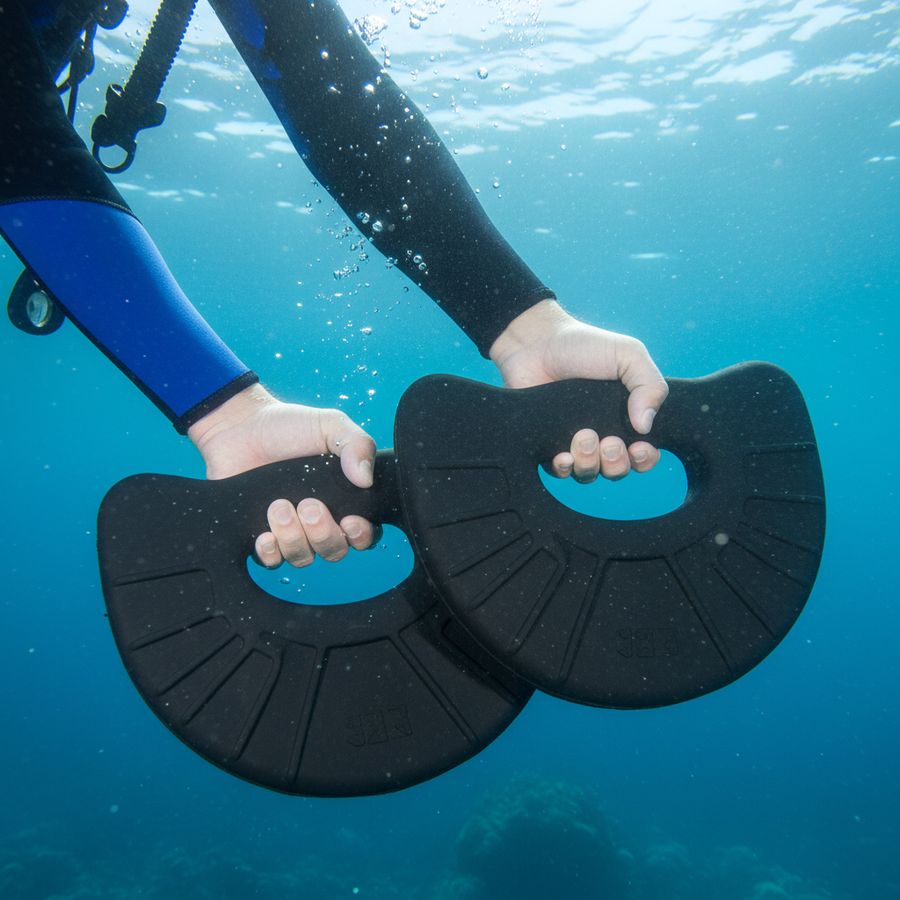
Handling dive weights underwater is a vital consideration for diver comfort and safety. Coated dive weights usually have a smoother, more ergonomic surface that can improve grip, especially when wet. This reduces the risk of weights slipping during entry or exit from the water.
On the other hand, some divers prefer the traditional feel of uncoated lead blocks, which tend to be heavier and cooler to the touch but may become slippery. The coating layer can also provide a slight cushioning effect, reducing discomfort when weights press against the body, enhancing overall diving comfort.
Price, Lifespan, And total cost of ownership
Uncoated dive weights generally come with a lower upfront cost, making them attractive for budget-conscious buyers. However, their susceptibility to oxidation, chipping, and wear can lead to more frequent replacements.
Coated weights cost more initially but offer a longer lifespan and lower maintenance needs. Over time, the total cost of ownership may be lower due to less frequent replacement and reduced damage. Dive shops and professional divers often find coated weights more cost-effective in the long run.
Best choice for dive schools and rental kits
Dive schools and rental operations demand robust, reliable equipment that stands up to frequent use and rough handling. Coated dive weights are ideal in these environments due to their durability, oxidation resistance, and ease of maintenance, ensuring safety and professionalism.
Rental kits benefit from coated weights’ chip resistance and cleaner appearance, which reduces the risk of lead contamination and improves diver comfort. Dive schools can maintain a high standard of equipment, supporting positive experiences for students and instructors alike.
“For dive schools and rental kits, the enhanced durability and hygiene of coated weights provide undeniable advantages.”
Conclusion
Choosing between coated and uncoated dive weights depends on your priorities. Coated weights excel in durability, oxidation prevention, and diver comfort, making them a smart investment for dive shops, schools, and serious divers.
Uncoated weights remain a budget-friendly option for recreational divers who prefer simplicity and traditional feel. Ultimately, coated dive weights provide better long-term value and professionalism, aligning well with the needs of modern dive operations.
For a specialized range of high-quality coated and uncoated lead blocks, professionals can rely on expert suppliers who offer tailored solutions and no minimum orders, ensuring the best fit for every diving requirement.