Overview
Dive weight sizes play a crucial role in ensuring proper buoyancy and safety during scuba diving. Selecting the right weight amount allows divers to achieve neutral buoyancy underwater, which enhances comfort, control, and reduces air consumption. From beginner recreational divers to experienced technical divers, understanding the range of weights—from as light as 0.5 kg to hefty 5 kg blocks—is essential for customizing your dive setup.
At Van Krimpen, we specialize exclusively in high-quality diving weights, offering a comprehensive range of options including lead blocks, soft lead pouches, and tech blocks. Our in-house production guarantees precision and consistent quality, with no minimum order requirements, making it easy for dive centers and individual divers alike to get the exact weights they need. Whether you’re looking for small increments to fine-tune your buoyancy or larger blocks for heavy ballast, knowing the size options and their ideal applications is key.
“Proper weighting is foundational for safe and efficient diving, and selecting the right dive weight sizes ensures optimal underwater performance.”
In this guide, we will explore common dive weight sizes in kilograms, compare popular sizes like 1 kg, 2 kg, and 3 kg dive weights, and discuss block shapes suitable for BCD pockets. Additionally, we will look into tech blocks designed for precise weighting, and how dive centers can build balanced weight sets for their customers. Understanding these elements will empower you to make informed decisions tailored to your diving needs.

Common dive weight sizes in kilograms
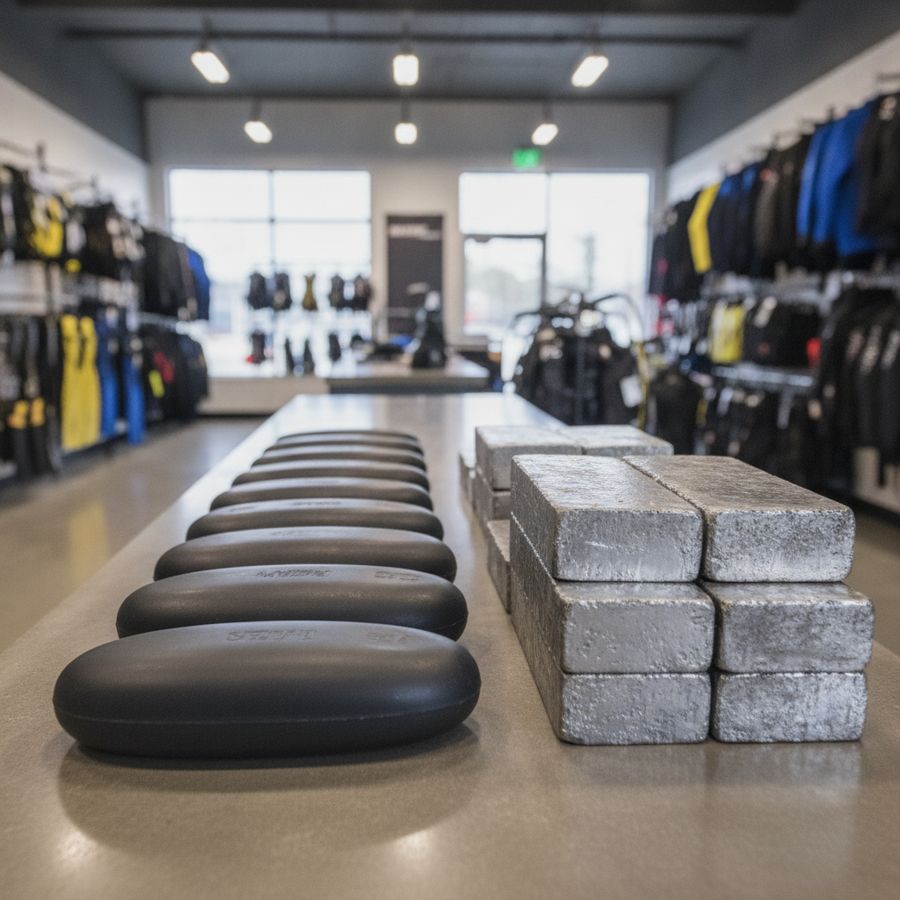
When it comes to scuba weights kg, the most common sizes range from 0.5 kg to 5 kg lead blocks. This spectrum covers light weighting needs for small adjustments up to heavier ballast for technical or cold water diving, where additional weight compensates for thick wetsuits and gear.
Smaller weights, such as 0.5 kg blocks, are often used for fine-tuning buoyancy or for ankle weights to balance trim. Intermediate sizes like 1 kg and 2 kg dive weights are popular among recreational divers because they offer manageable increments that can be easily added or removed. Larger blocks, including 3 kg and 5 kg, serve divers who require substantial ballast but want to minimize the number of individual pieces carried.
- 0.5 kg: Ideal for fine-tuning and ankle weights
- 1 kg: The most versatile size, easy to handle and common in tech diving
- 2 kg: Suitable for divers needing moderate ballast without bulk
- 3 kg: Preferred for heavier weighting needs, often used as primary weights
- 5 kg: Heavy blocks for technical or cold water dives, reducing the quantity of weights carried
Lead blocks with these sizes come in coated or uncoated forms, with coated blocks offering protection against oxidation and a cleaner appearance. Van Krimpen’s VK Pro Shield technology ensures coated blocks maintain their finish, enhancing durability and shelf life.
Choosing 1 kg vs 2 kg vs 3 kg
Selecting between 1 kg dive weights, 2 kg, and 3 kg blocks largely depends on the diver’s individual weighting requirements, dive conditions, and equipment configuration. Each size offers distinct advantages that can influence convenience and balance underwater.
1 kg weights are perfect for divers who want incremental adjustments. Their smaller size makes them easy to handle and fit well into BCD pockets or weight belts. This size is also popular among technical divers who require precise buoyancy control, often using multiple 1 kg tech blocks positioned strategically.
2 kg weights strike a balance between the small increments of 1 kg and the bulkier 3 kg blocks. They are ideal for recreational divers who need moderate ballast but want to reduce the total number of individual pieces for quicker setup and takedown. The slightly larger size also aids in stability when carried in weight pockets.
3 kg blocks are best for heavy ballast needs, such as deep or cold-water dives where thick wetsuits significantly increase buoyancy. Using fewer, heavier blocks minimizes the hassle of managing multiple weights while ensuring sufficient ballast. However, the bulkier size may be less maneuverable and fit less conveniently in some BCD pockets.
“Choosing the right weight size is about balancing convenience, buoyancy control, and dive conditions to optimize underwater performance.”
Block shapes that fit bcd pockets
Diving weights come in various shapes designed to fit securely and comfortably into BCD (Buoyancy Control Device) weight pockets. The shape and size of these blocks are critical to ensure they stay in place during the dive and distribute weight evenly to maintain diver trim.
Most commonly, lead blocks are rectangular or slightly contoured to fit snugly into standard BCD pockets. The dimensions are optimized to prevent movement but also allow easy insertion and removal. Some dive centers prefer coated blocks with smooth edges to avoid damage to BCD fabrics.
Van Krimpen offers a selection of blocks specifically designed for pocket fitting, including tech blocks that have a compact, ergonomic shape for tight spaces. These blocks often feature rounded or beveled edges to improve comfort and reduce wear on gear.
- Rectangular blocks: The industry standard, fitting most weight pockets reliably
- Curved or contoured blocks: Designed for ergonomic fit and better weight distribution
- Tech blocks: Compact shapes for precise placement in specialized pockets
Lead blocks with VK Pro Shield coating also help protect the BCD fabric from corrosion and lead dust, extending the life of both the weights and the equipment. Properly shaped blocks enhance diver safety by reducing the risk of weights shifting during a dive.
Tech blocks for precise weighting
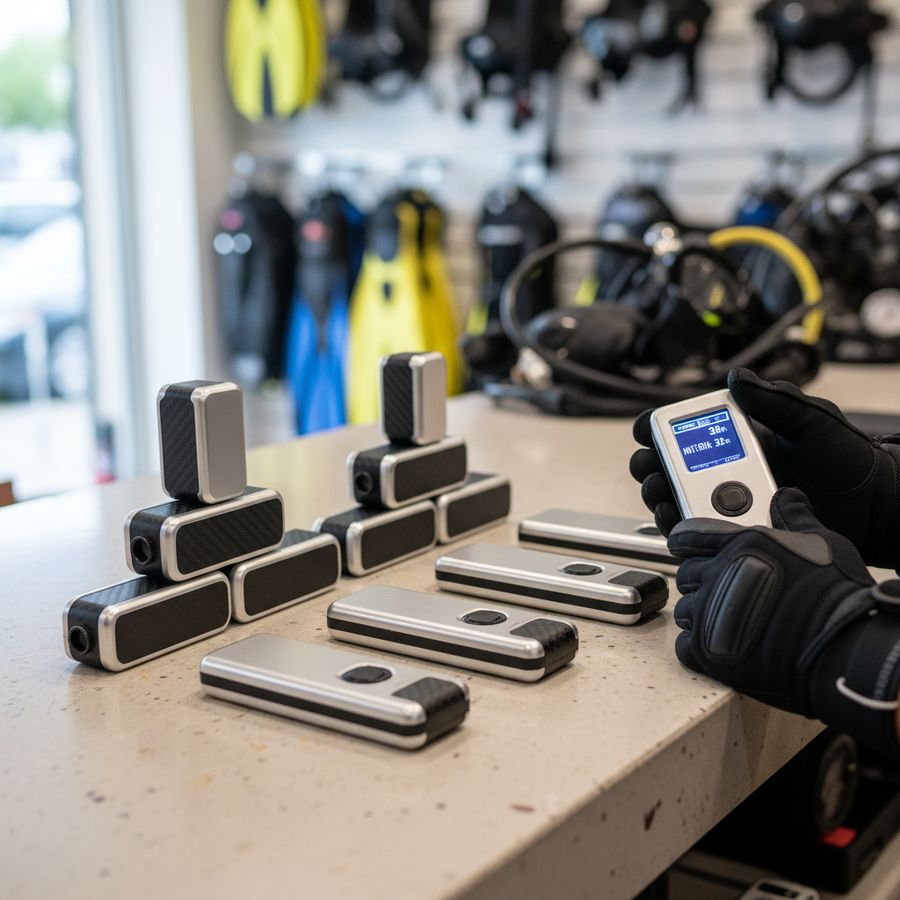
Tech blocks are specialized dive weights designed to provide precise buoyancy control, favored by technical divers and professionals who demand accuracy in their ballast systems. Typically available in 1 kg sizes, tech blocks are compact and ergonomically shaped for easy handling and placement.
These blocks excel in customization, allowing divers to fine-tune their weighting by adding or removing small increments. Their shape makes them suitable for integration into harness systems, wing-style BCDs, or dedicated pockets where traditional blocks might not fit securely.
Van Krimpen’s tech blocks feature the VK Pro Shield coating, which not only protects the lead from oxidation but also ensures a clean, professional finish that reduces lead dust contamination. This is especially important in dive centers and rental shops where equipment longevity and hygiene are priorities.
“Tech blocks represent the pinnacle of precise weighting, combining ergonomic design with durable materials to meet the demands of technical diving.”
Using tech blocks helps divers maintain perfect trim, improve comfort during extended dives, and adapt ballast easily for different dive profiles or gear setups. Their versatility makes them an indispensable component in a balanced and efficient weighting system.
Building a balanced set for dive centers
Dive centers require a well-rounded inventory of scuba weights kg to accommodate divers of varying sizes, skill levels, and diving conditions. Building a balanced set means stocking a range of dive weight sizes, shapes, and types to ensure every diver can achieve optimal weighting quickly and safely.
Essential components for dive centers include:
- Soft lead pouches for adjustable and comfortable weighting
- Coated lead blocks in increments from 0.5 kg to 5 kg for durability and ease of handling
- Tech blocks for precise and ergonomic weighting options
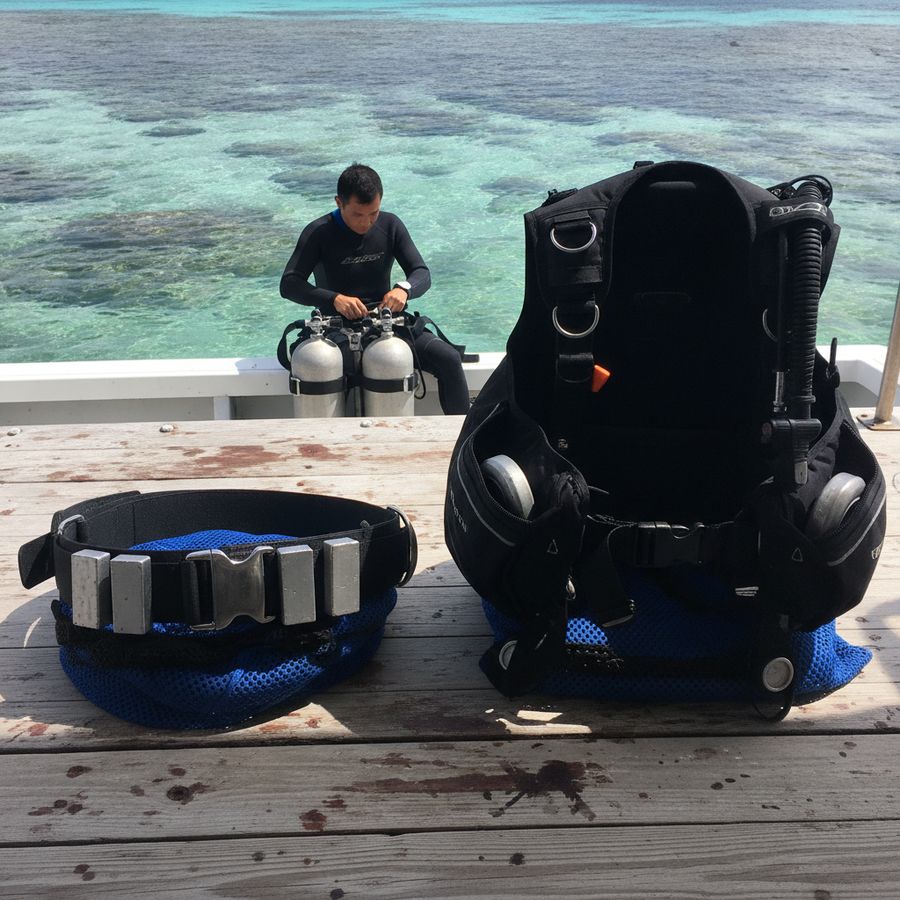
- Weight belts and buckles to secure weights reliably
Van Krimpen’s no minimum order policy allows dive centers to order exactly the quantities and sizes needed to optimize their rental fleets without excess stock. Additionally, the in-house production ensures high-quality weights that meet professional standards.
“A comprehensive and balanced weighting system is vital for dive centers to provide safe, comfortable, and customizable gear solutions for every diver.”
Regularly reviewing and updating the weight inventory to include a variety of sizes—from 1 kg dive weights to larger 5 kg blocks—enables dive centers to cater to diverse diver needs and maintain operational efficiency. Combining coated blocks with soft lead options also enhances user comfort and equipment longevity.
Conclusion
Understanding dive weight sizes from 0.5 kg to 5 kg and selecting the right types of lead blocks is fundamental for safe, efficient, and enjoyable diving. Whether you are a recreational diver choosing between 1 kg, 2 kg, or 3 kg blocks, or a dive center building a balanced inventory, the right weighting system improves buoyancy control and overall diving experience.
Tech blocks offer precise, ergonomic solutions for advanced divers, while coated lead blocks provide durability and protection for frequent use. Van Krimpen’s focused range, including soft lead pouches and weight belts, supports both individual divers and professional dive operations with quality products and flexible ordering options.
“Investing in proper dive weights tailored to your specific needs is an investment in safety, comfort, and underwater performance.”
Explore the full selection of lead blocks and dive weights to find the perfect fit for your diving requirements and elevate your underwater adventures with confidence.