Overview
Scuba lead blocks are essential components in achieving proper weight distribution and optimal scuba trim underwater. Proper weight placement not only improves comfort but also enhances buoyancy control, reducing air consumption and making dives safer and more enjoyable. Whether you use a traditional weight belt or integrated weight systems, understanding where and how to place lead blocks can transform your diving experience.
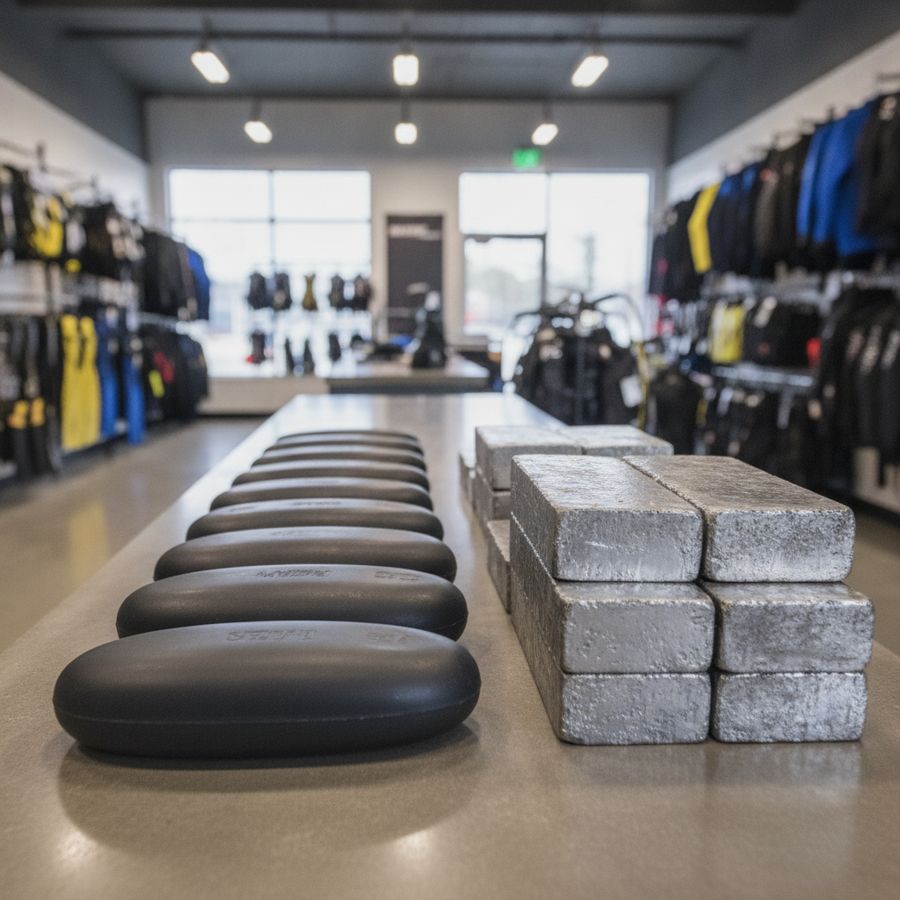
Lead blocks come in various forms, including soft lead pouches, coated blocks, and tech blocks, each designed to suit different diving styles and equipment setups. The goal is to balance your body position horizontally in the water, preventing you from being head- or feet-heavy. This balance is crucial for efficient movement and reducing drag, which directly impacts your air consumption and overall dive time.
Van Krimpen specializes in high-quality dive weights, including soft lead and coated blocks, manufactured entirely in-house to ensure consistent quality and reliability. Their range caters to professionals and dive shops across Europe, offering tailored solutions from weight belts to ballast lead. This expertise makes them a trusted partner for divers seeking the perfect lead block placement for optimal trim.

Why trim matters for air consumption
Trim in scuba diving refers to the diver’s body position underwater, ideally horizontal and neutrally buoyant. Proper trim reduces drag and resistance, allowing you to swim smoothly with less effort. This efficiency significantly lowers your air consumption, enabling longer dives and improved safety margins.
When a diver is out of trim—either feet-heavy or head-heavy—they must constantly compensate with fin kicks or arm movements, which increases exertion and air use. Maintaining good trim also helps in better buoyancy control, allowing you to hover effortlessly without constantly adjusting your buoyancy compensator device (BCD).
“A well-trimmed diver moves effortlessly through the water, conserving precious air and enjoying longer, more comfortable dives.”
Optimizing weight distribution with correctly placed lead blocks and integrated weights ensures your center of gravity aligns with your center of buoyancy. This alignment is key for maintaining horizontal trim and reducing unnecessary movements that waste air. In essence, correct lead block placement is foundational to efficient diving.
Lead blocks on belt vs pockets
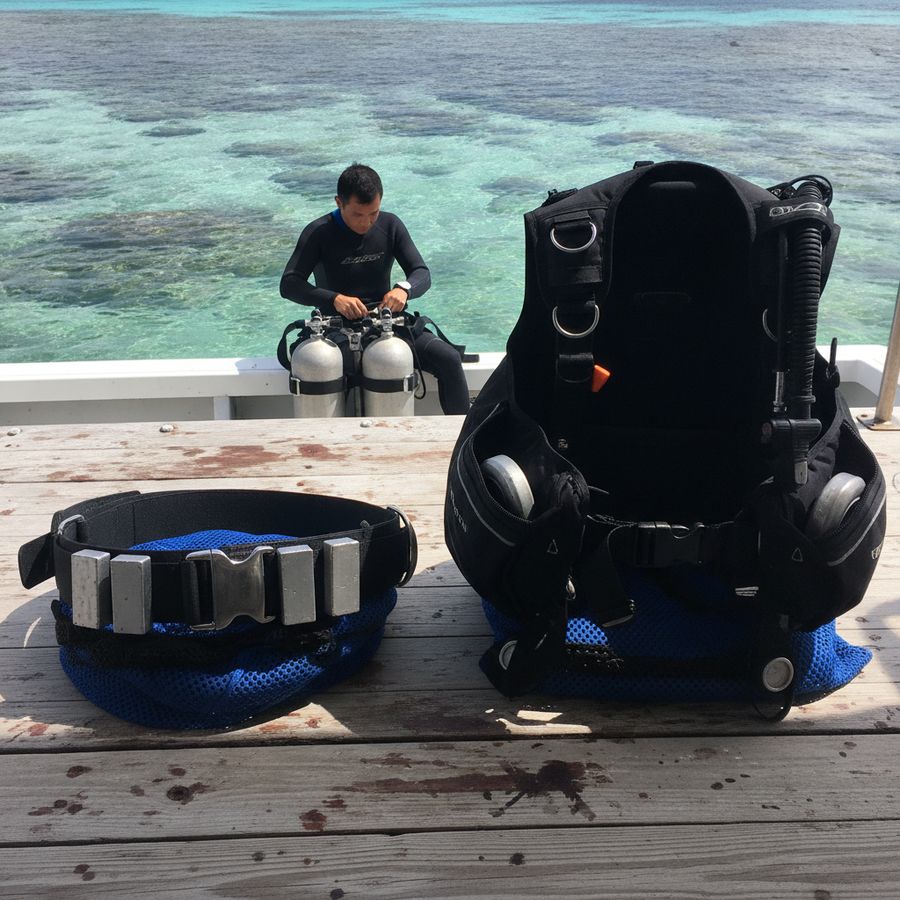
Choosing between lead blocks on a weight belt or in integrated pockets depends largely on personal preference and diving setup. Weight belts are traditional and versatile, allowing divers to adjust weight easily by sliding blocks along the belt or adding/removing as needed. This flexibility makes it simple to customize lead block placement for optimal trim.
Integrated weight pockets, often built into buoyancy compensators or harness systems, provide a more streamlined and comfortable experience. They reduce bulk around the waist and eliminate the risk of a weight belt slipping. However, adjusting weight distribution can be less flexible since pockets are fixed locations, typically on the sides or back.
Pros of weight belts:
- Easy to adjust weights during dive preparation
- Simple to add or remove lead blocks
- Allows precise positioning for fine-tuning trim
Pros of integrated pockets:
- More comfortable, less bulky than belts
- Reduced risk of losing weights in case of emergency
- Cleaner, streamlined profile underwater
Regardless of the system, the principle of strategic weight distribution remains the same—place lead blocks where they balance your body to achieve ideal trim and buoyancy.
Backplate and tank strap weight options
For divers using a backplate and wing harness system, weight placement options extend beyond belts and pockets. Backplate weights and tank strap weights offer versatile solutions for achieving balanced trim, especially for technical and cave divers who prioritize streamlined setups.
Backplate weights attach directly to the metal backplate, distributing weight low and close to the tank, helping to prevent a feet-heavy position. Tank strap weights slide around the tank harness, allowing divers to shift weight higher or lower on the cylinder. This flexibility is crucial for fine-tuning the diver’s center of gravity.
Using these options in combination with belt or integrated weights enables divers to customize weight distribution tailored to their gear configuration and diving style. For example, placing more weight on the back can pull the diver into a horizontal trim, while adjusting tank strap weights can help offset heavy tanks or buoyant wetsuits.
Van Krimpen’s range of lead blocks includes specialized coated and soft lead blocks suitable for backplate attachment and tank strap use, ensuring durability and corrosion resistance in harsh marine environments. This quality is essential for maintaining reliable trim over repeated dives.
Fixing feet-heavy or head-heavy trim
Correcting improper trim, such as being feet-heavy or head-heavy, is a common challenge for divers. This imbalance causes inefficient swimming and increased air consumption. Fortunately, thoughtful lead block placement can resolve these issues effectively.
For a feet-heavy diver, adding weight higher on the body—such as on the chest or upper back—helps bring the legs up to a horizontal line. This can be achieved by moving lead blocks from the belt to integrated pockets or attaching weights to the backplate or tank straps. Conversely, head-heavy divers benefit from shifting weight lower, towards the hips or ankles, to balance their center of gravity.
It is important to make incremental adjustments and test trim in shallow water or a pool before open water dives. Divers should avoid overcompensating, which can create new imbalances or increase overall weight unnecessarily.
“Small shifts in lead block placement can make a significant difference in achieving perfect trim, reducing effort and enhancing dive comfort.”
By addressing trim issues with precise weight distribution, divers can experience smoother, more controlled dives and improved air efficiency.
Common lead block placement mistakes
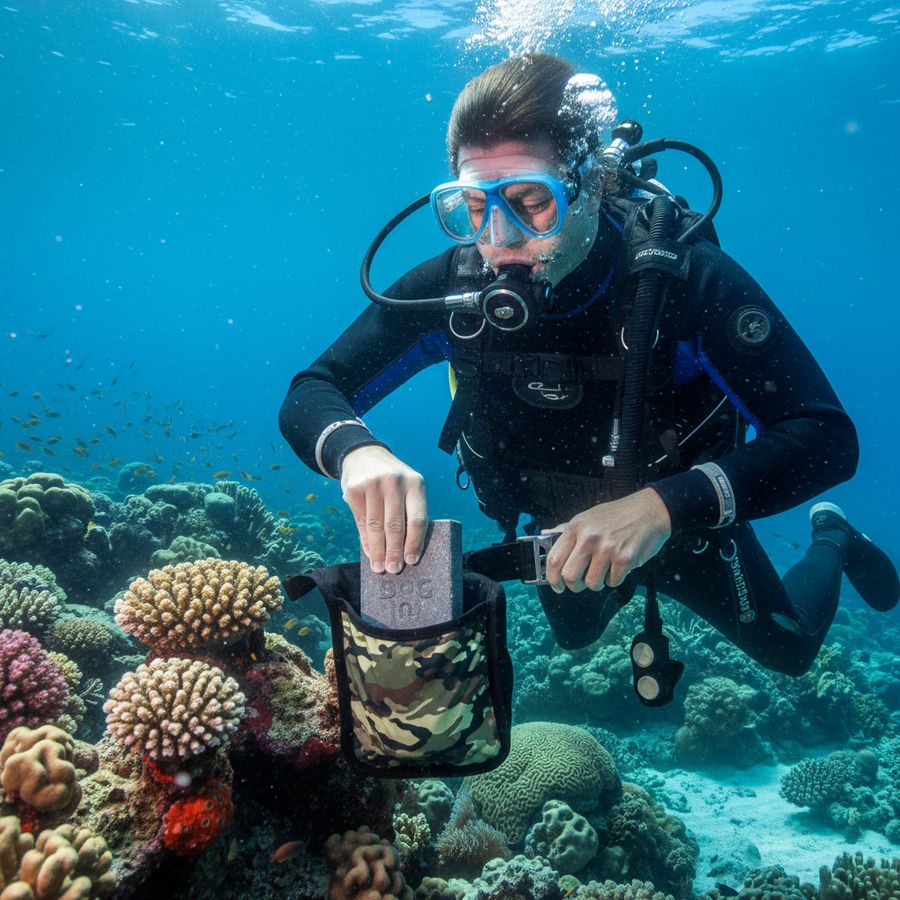
Many divers unknowingly make mistakes in lead block placement that negatively affect their trim and comfort. One common error is concentrating all weights on the waist via a belt, which can lead to a feet-heavy position and increased finning effort. Another frequent mistake is neglecting to adjust weight distribution when changing gear or exposure suits, resulting in inconsistent trim.
Divers sometimes overlook the benefits of using backplate or tank strap weights, missing opportunities to optimize their center of gravity. Additionally, placing weights unevenly on one side can cause lateral imbalance, making turns and hovering more difficult.
Other pitfalls include:
- Using too much weight overall, leading to excessive effort in buoyancy control
- Not securing lead blocks properly, risking weight loss during dives
- Ignoring the role of ankle weights for feet-heavy divers
Understanding proper lead block placement and regularly evaluating your trim can prevent these issues. Working with a reputable supplier like Van Krimpen ensures access to quality weights that fit well and withstand wear, supporting safe and balanced dives.
Conclusion
Effective lead block placement is a cornerstone of achieving ideal scuba trim, which directly improves dive comfort, safety, and air consumption. Whether using a traditional weight belt, integrated pockets, backplate weights, or tank strap weights, strategic weight distribution tailored to your body and gear setup is essential.
By avoiding common mistakes and leveraging quality lead blocks and weights, divers can maintain a balanced horizontal position underwater, reducing drag and exertion. This not only conserves air but also enhances overall diving enjoyment and control.
Van Krimpen, as Europe’s leading specialist in diving weights, offers a comprehensive range of soft lead and coated blocks, weight belts, and ballast lead solutions. Their expertise and in-house production ensure divers receive reliable, customizable options to optimize their trim and weight placement for every dive.
“Mastering lead block placement unlocks the full potential of your diving gear, making every dive smoother, safer, and more efficient.”