Overview
Scuba weighting trim is about more than how many kilos or pounds you carry. It also includes where that weight sits on your body and equipment, and how that placement affects your position in the water. Good trim means staying flat, stable, and efficient rather than fighting a head-up or feet-down posture throughout the dive.
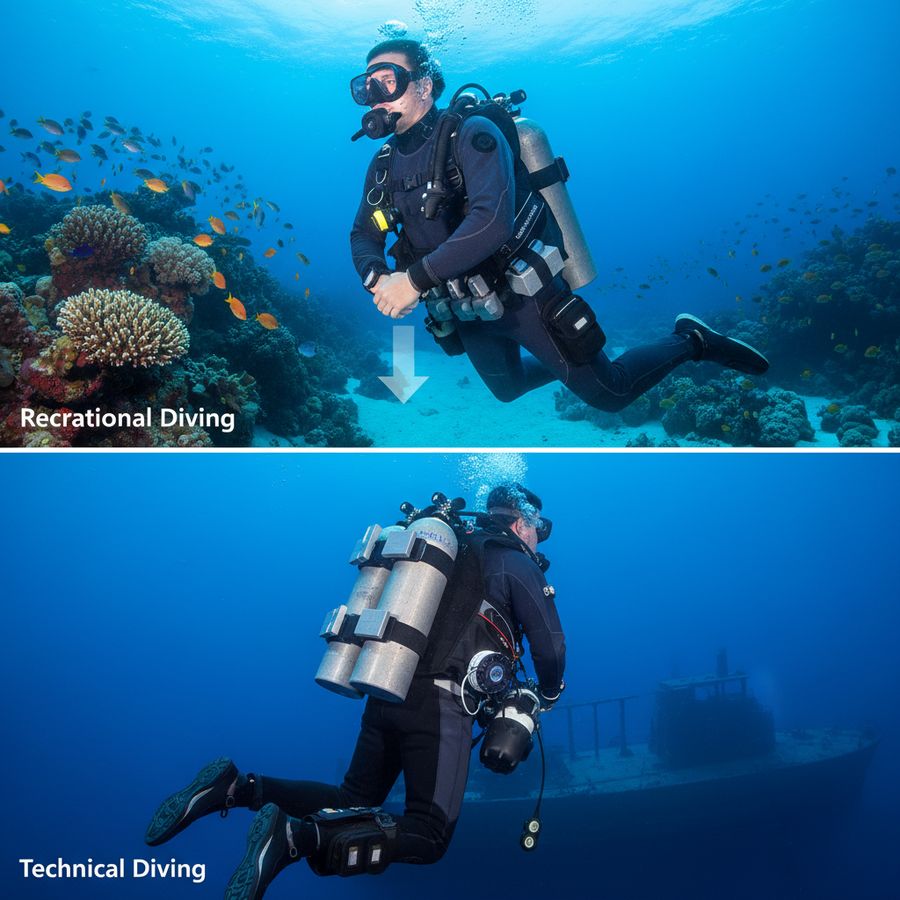
For recreational divers, the goal is usually simple comfort, better buoyancy control, and easier finning. For tech diving, trim becomes even more critical because added cylinders, stage bottles, thicker exposure suits, and back-mounted equipment can dramatically change balance underwater.
Correct weighting is only half the solution. Proper weight distribution is what turns neutral buoyancy into controlled, relaxed trim.
Whether you dive a jacket BCD on holiday or a backplate and wing in colder water, understanding weight distribution helps reduce effort, improve gas consumption, and create a safer, more streamlined profile in the water.
Why trim matters for buoyancy and control
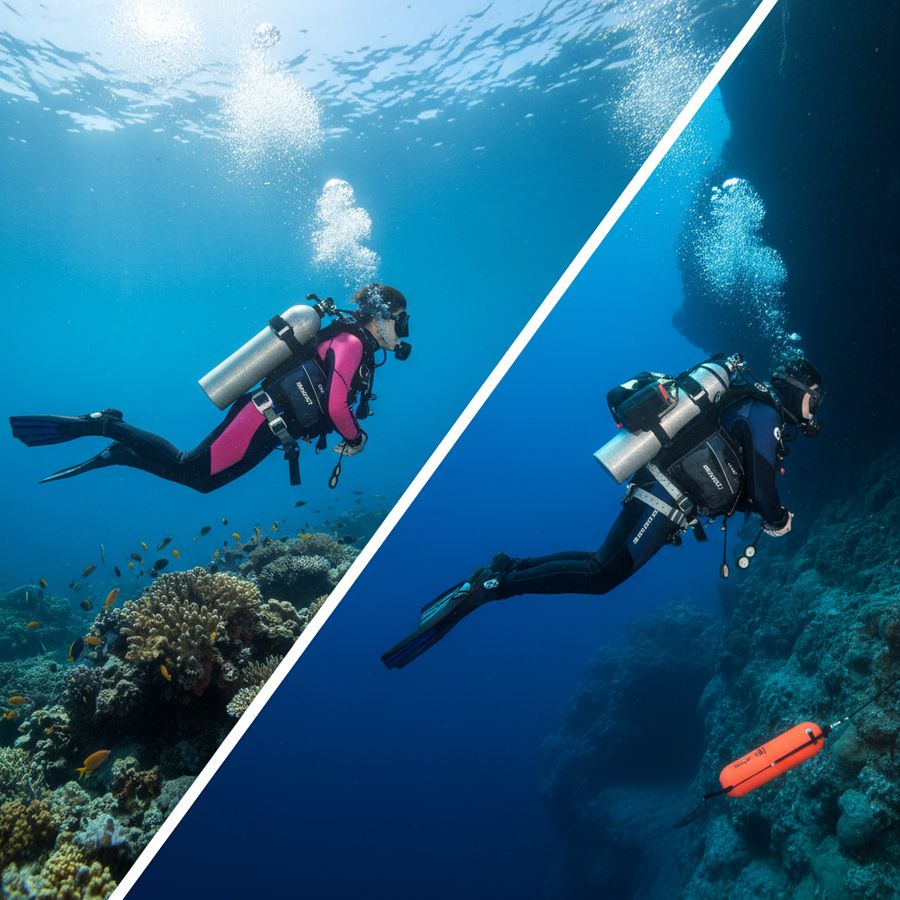
Many divers think buoyancy and trim are separate skills, but in practice they work together. You may be neutrally buoyant, yet still struggle if your body angle is wrong. Poor scuba trim forces you to kick harder, scull with your hands, or add unnecessary gas to your BCD just to stay comfortable.
When your trim is balanced, you move through the water with less drag. That means smoother frog kicks, easier hovering, and better control near reefs, wrecks, or silty bottoms. It also supports more precise ascents and descents, especially when task loading increases.
- Less energy wasted during finning
- Better gas efficiency over the dive
- Improved stability during stops and photography
- Reduced risk of disturbing the bottom
Buoyancy control becomes easier when your body naturally stays in a horizontal position. Instead of constantly correcting posture, you can focus on depth, awareness, and the dive itself.
Weight distribution for recreational scuba setups
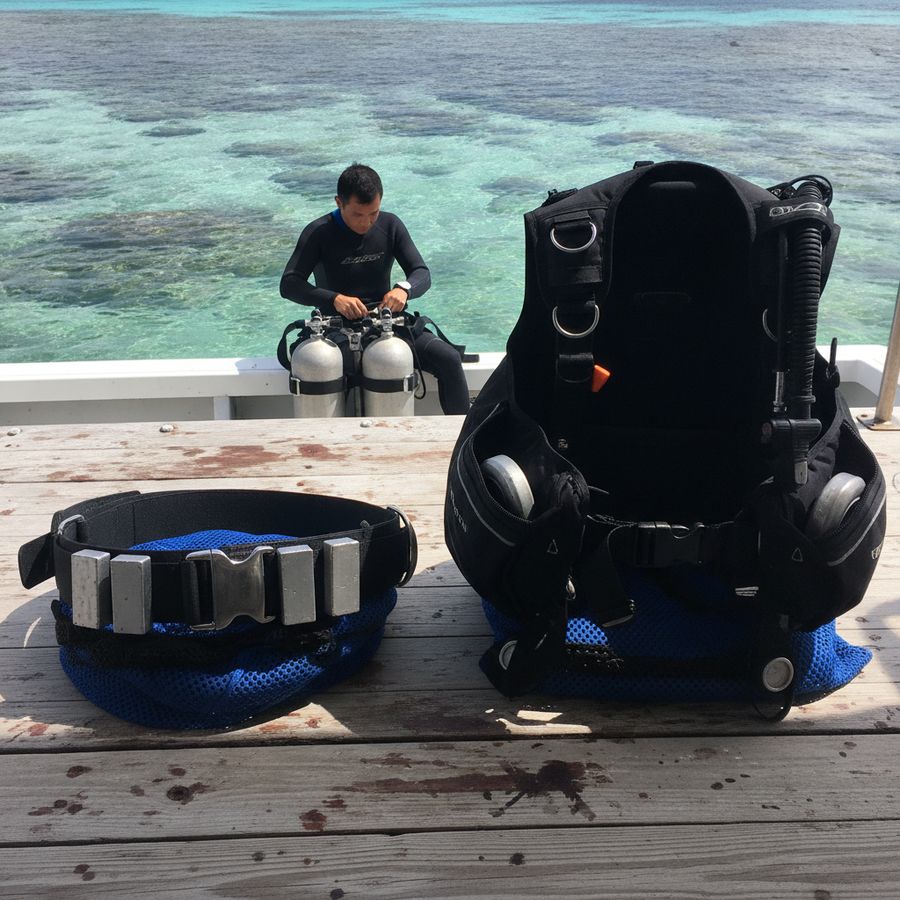
In most recreational setups, divers use a jacket BCD with integrated weights or a standard weight belt. The common mistake is placing all ballast around the waist without considering body shape, tank size, wetsuit thickness, or leg buoyancy. That often leads to a vertical position in the water.
A better approach is to think about weight distribution as a balancing system. Some divers need most of their lead low on the hips, while others benefit from shifting a small amount higher using trim pockets on the tank band. Even moving one or two kilos can noticeably improve scuba weighting trim.
Recreational divers often do not need more lead — they need the same lead placed in a better location.
For single-tank warm-water diving, start simple. Confirm total weighting first, then adjust placement gradually. Small, deliberate changes are usually more effective than major gear rearrangements. Comfort on the surface still matters, but underwater balance should guide the final setup.
Weight placement for technical diving configurations
Tech diving setups demand a more systematic approach to ballast placement. A drysuit, steel or aluminum back gas cylinders, stage bottles, lights, reels, and backup gear all influence body position. Because the equipment is heavier and more complex, trim issues are magnified and must be solved with intent.
Technical divers often spread weight across several points: a backplate, V-weights, P-weights, trim pockets, or tail weights on the harness or cylinder bands. The objective is not only neutral buoyancy, but a stable horizontal platform that remains predictable throughout the dive as gas is used.
This is especially important when switching between steel and aluminum cylinders or when carrying multiple deco bottles. A balanced setup at the start of the dive should still be manageable near the end, when tanks are lighter and the diver’s in-water profile changes.
Scuba trim in technical configurations should be tested carefully, documented, and refined one change at a time.
Using trim pockets, Backplate, And tank bands
Trim pockets, a backplate, and tank bands are some of the most effective tools for fine-tuning underwater balance. Each one serves a different purpose. Trim pockets allow small amounts of lead to be placed higher on the rig, often helping divers who feel too feet-heavy or who struggle to stay flat.
A stainless-steel backplate adds fixed ballast close to the diver’s centerline. That can reduce the amount of lead needed on a belt and create a cleaner, more stable system. Tank bands, meanwhile, offer another option for shifting weight slightly up or down depending on the setup.
- Trim pockets: ideal for small adjustments
- Backplate: provides central, stable ballast
- Tank bands: useful for precise rear-mounted placement
The key is moderation. Adding too much weight high on the tank can make a diver head-heavy, while overloading the waist can pull the legs down. The best configuration supports natural, effortless alignment.
Common trim problems and how to fix them
Most trim problems follow familiar patterns. If your feet constantly sink, the cause may be too much weight on the waist, heavy fins, or gas trapped in a drysuit. If your head and shoulders drop, you may have too much lead mounted high on the tank or back.
Fixes should be targeted, not random. Move small amounts of lead and retest. Changing multiple variables at once makes it difficult to know what actually worked. Equipment fit also matters more than many divers expect, especially tank position and harness adjustment.
- Feet down: move some lead higher, check fin weight, lower gas in suit legs
- Head down: reduce high-mounted weight or adjust tank lower
- Rolling sideways: balance left-right equipment placement
- Needing constant kicking: reassess total lead and trim together
Trim problems are usually placement problems, not just weighting problems.
Patience matters. A well-balanced setup is often built through several small corrections rather than one dramatic fix.
How to test weighting and trim in-water
The best place to evaluate scuba weighting trim is in calm, shallow water with enough time to focus. Start by confirming total weighting. At the end of the dive, with low gas and normal exposure protection, you should be able to hold a stop near 3 to 5 meters with minimal gas in the BCD.
Once total weight is correct, test body position. Hover motionless in horizontal trim and notice whether your knees drop, shoulders sink, or your body rolls to one side. Ask a buddy or instructor to observe from the side, because trim often feels different than it looks.
Make one adjustment at a time, then repeat the test. Move a small amount of lead, shift tank height slightly, or change where accessories are clipped. Record what you changed and how it felt.
Buoyancy control improves fastest when testing is structured. In-water notes help turn guesswork into a repeatable and reliable setup.
Conclusion
Understanding the difference between recreational and tech diving approaches to ballast helps divers build safer and more efficient systems. Recreational divers often need straightforward comfort and control, while technical divers require a more deliberate balance across heavier, more complex equipment.
In both cases, the principles remain the same: use the minimum amount of lead needed, place it where it supports a flat and stable position, and test changes methodically. Better weight distribution leads to better scuba trim, and better trim supports calmer breathing, reduced effort, and improved awareness underwater.
Good trim is not just about looking streamlined. It is about making every part of the dive more controlled and more efficient.
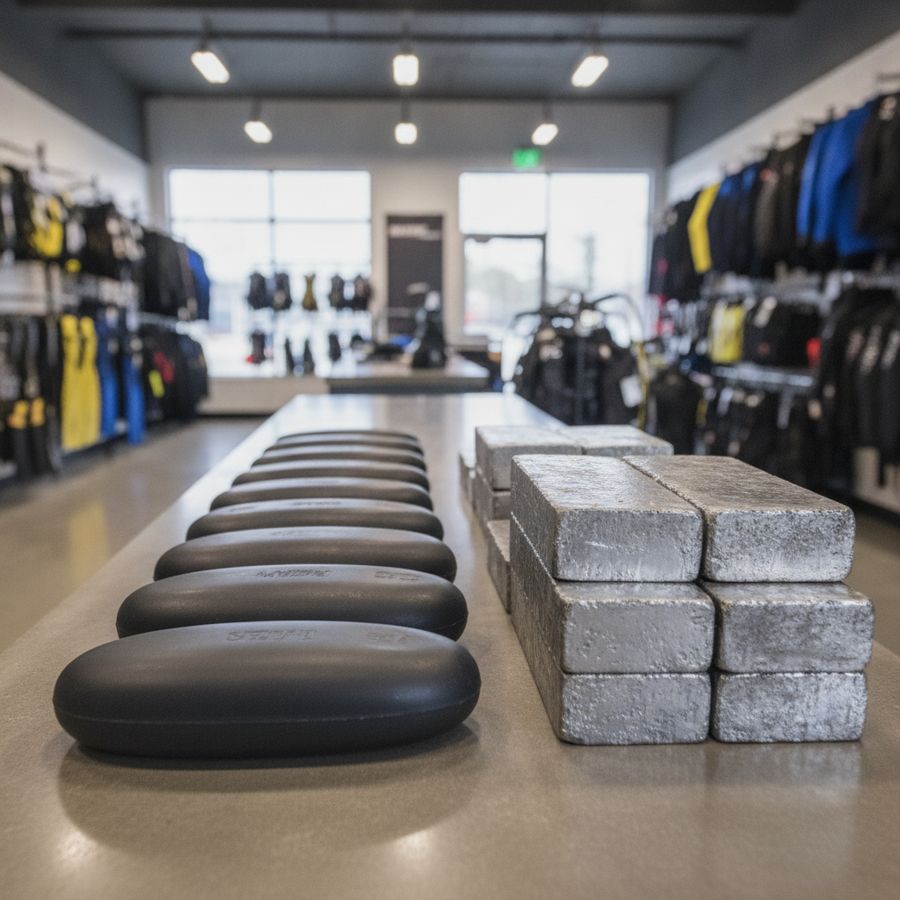
Whether you use integrated weights, soft lead, coated blocks, tank-band pockets, or a stainless-steel backplate, thoughtful scuba weighting trim adjustments can transform your diving experience from acceptable to excellent.