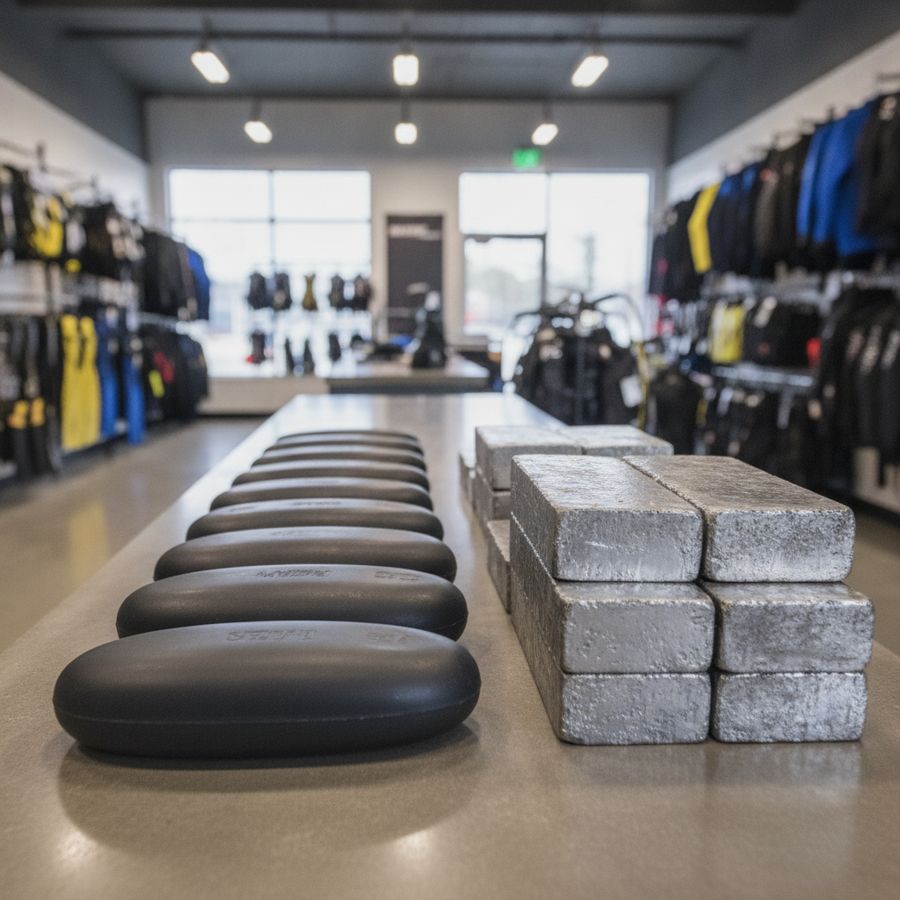
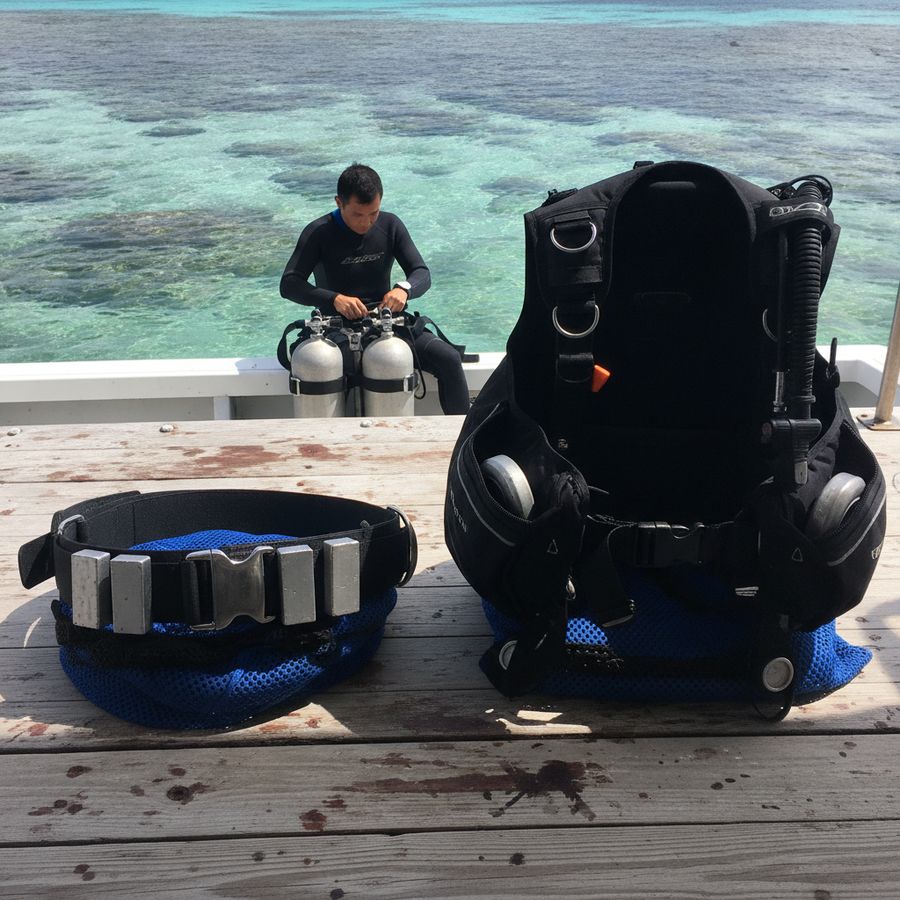
Technical blocks serve more than one setup
Tech blocks are often associated with a single style of weighting, but in practice they support far more than one configuration. A compact 1 kg block can be moved between backplate systems, single-tank setups, twinsets, and selected sidemount arrangements depending on the diver’s trim needs and exposure protection. That flexibility is one reason technical diving lead remains a staple for dive schools, guides, and equipment retailers.
Because the shape is more structured than soft pouches, tech blocks are especially useful when a diver wants predictable placement. Instead of loose weight shifting during entries or position changes, the block stays where the harness design intends it to sit. This helps instructors standardize student setups and makes pre-dive checks faster.
For operators and shops, the value is practical as well. A focused range of standardized weights is easier to store, count, clean, and issue across different courses and rental kits.
Well-designed weighting is not only about kilograms — it is about placement, consistency, and control underwater.
That is why many professionals choose tech blocks not as a niche item, but as a versatile part of a broader weighting system that adapts to real diving conditions.
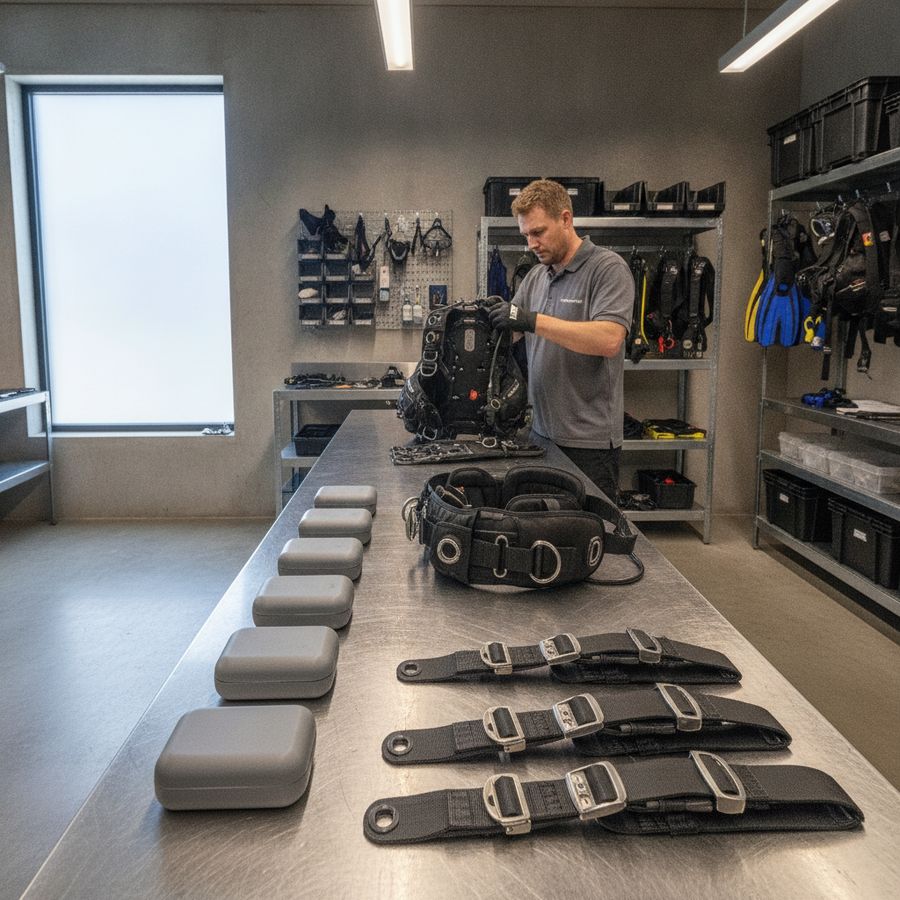
What affects the lifespan of tech blocks?
Tech block lifespan depends on more than age alone. The biggest factors are frequency of use, storage conditions, the quality of the coating or finish, and how the blocks interact with metal hardware inside a harness. A block used daily in a busy training center will naturally show wear faster than one reserved for occasional personal diving.
Saltwater exposure is another major influence. If weights are put away wet, residue can remain on the surface and around edges, gradually affecting appearance and finish. Repeated contact with buckles, backplates, or D-rings may also create abrasion points. Over time, even high-quality technical diving lead can develop scratches or chipped coating if it is handled roughly.
Several habits can extend service life:
- Rinse blocks after use in saltwater
- Let them dry before storage
- Separate them from sharp metal parts in transport bins
- Inspect coating and edges during routine gear checks
Consistent maintenance matters most in commercial environments. When dive centers rotate stock, keep weights organized, and replace damaged units promptly, the blocks remain safer, cleaner, and more presentable for much longer.
Are tech blocks suitable for sidemount use?
In many cases, yes — but the answer depends on the diver’s harness design, cylinder choice, and trim goals. Sidemount weights need to do more than add ballast; they must support balance across the torso without interfering with valve access, hose routing, or movement in tight spaces. A rigid tech block can work very well when the harness has secure weight channels or purpose-built attachment points.
The benefit of using tech blocks in sidemount is their stable shape. Compared with softer weights that may compress or shift, a block can deliver more repeatable harness fit from dive to dive. That consistency helps experienced sidemount divers fine-tune position in the water, especially when changing from freshwater to saltwater or from thin suits to heavier thermal protection.
Still, not every sidemount system is equally suited to rigid blocks. Divers should check:
- Whether the pocket or slot fully retains the block
- If the weight placement affects trim or tank alignment
- Whether the block creates pressure points against the body
Sidemount success comes from balanced placement, not simply adding more lead.
For that reason, tech blocks are suitable for sidemount when the system is designed to hold them securely and the diver has tested the setup in controlled conditions.

Material finish influences wear over time
The surface finish on tech blocks plays a major role in how they age. Bare lead can function perfectly well, but it tends to show oxidation, marks, and handling residue more quickly. Coated blocks usually offer a cleaner, more durable outer layer that helps reduce scuffing and limits direct contact between the lead and surrounding equipment.
For dive shops and schools, finish is not just about appearance. A cleaner coating can make storage bins, retail shelves, and rental systems easier to maintain. When blocks are handled by multiple divers every week, a protective finish helps preserve a professional look while also reducing the dusty or dull surface that uncoated lead may develop over time.
Wear patterns still depend on use. If blocks are repeatedly pushed through tight harness slots or dropped into hard plastic crates, even a good coating will eventually show friction points. However, the right finish can slow that process and keep the technical diving lead serviceable for longer.
In practical terms, finish influences both longevity and day-to-day usability. For businesses focused on reliable stock and clean presentation, coated blocks often provide an advantage by combining durability with easier handling across busy diving operations.
Installation fit across common harness systems
Harness fit is central to how well tech blocks perform. Even the correct amount of lead can feel awkward if the block shape does not match the slot, pocket, or mounting point on the system. In technical and recreational crossover setups, compatibility matters because divers need a secure fit that does not shift during entries, ascents, or valve drills.
Backplate-and-wing systems often pair well with structured blocks because the geometry is simple and repeatable. Some integrated harness designs also accept them neatly, especially when weight channels are built around standard dimensions. In contrast, softer or more flexible systems may handle soft lead better if the compartment is not designed for rigid ballast.
Before committing to a setup, users should check a few essentials:
- The block sits fully inside the intended channel or pocket
- Retention straps or closures remain easy to secure
- The block does not interfere with buckle movement or webbing adjustment
- Access for emergency ditching remains clear if the system requires it
A precise installation fit improves more than comfort. It also supports trim consistency, streamlining, and confidence underwater. For professional buyers, standardized dimensions can simplify product matching across rental harnesses, training rigs, and custom diver setups.
Use cases from training to expedition diving
One of the strongest advantages of tech blocks is how well they scale across different types of diving. In entry-level technical training, instructors value them for consistency. Students can repeat drills with the same ballast placement each session, which makes trim feedback clearer and reduces one variable during skill development.
For more advanced diving, the same logic applies. Cave, wreck, and decompression divers often prefer weighting systems that behave predictably when stage bottles, drysuits, or changing gas volumes influence body position in the water. A compact block of technical diving lead can help refine that balance without the bulk of larger soft pouches.
Expedition and travel contexts also highlight their value. Teams managing multiple divers and multiple days of diving benefit from weight systems that are easy to count, assign, and reconfigure. Common use cases include:
- Training platforms and skill progression dives
- Cold-water diving with heavier exposure protection
- Extended expeditions needing repeatable equipment setups
- School or guide operations with shared weighting inventories
Reliable ballast becomes more important as the complexity of the dive increases.
From pool sessions to demanding field operations, tech blocks support divers who need weighting that is compact, stable, and easy to manage.
When standardized blocks simplify shop inventory
For dive retailers, schools, and service centers, standardized tech blocks offer operational benefits that go beyond the product itself. When weights come in a consistent format, staff can store them more efficiently, count stock faster, and issue the right amount of ballast with fewer mistakes. That matters in busy environments where speed and reliability affect both customer experience and daily workflow.
Inventory planning becomes easier as well. Instead of holding many different shapes that fit only certain systems, a shop can build around a smaller core range that works across common harness options. This reduces shelf clutter and makes reordering more predictable. For B2B buyers, that kind of simplicity helps avoid tying up capital in slow-moving stock.
Standardized blocks are especially useful when a business needs to support different customers at once:
- Training centers issuing repeat student setups
- Retail shops serving backplate, wing, and sidemount users
- Expedition teams preparing shared equipment loads
- Service operations replacing lost or damaged ballast quickly
In short, standardization improves both logistics and presentation. Clean, dependable technical diving lead with familiar dimensions is easier for staff to manage and easier for divers to trust, which makes it a smart choice for professional weight programs.