Overview
Tech diving weights are a critical component in the setup of any technical diver. Unlike recreational scuba diving, technical diving involves deeper, longer dives with more complex equipment configurations, making weight management more challenging and essential for safety and efficiency. Proper weight setup ensures divers maintain ideal buoyancy, trim, and stability throughout the dive, which is key to managing gas consumption and decompression obligations.
Technical diving demands a more nuanced approach to weighting than standard recreational diving. Divers typically use double tanks, stage bottles, and additional gear, which all influence the diver’s center of gravity and buoyancy characteristics underwater. The choice of weights, their placement, and how they are integrated into the diving rig directly affects scuba trim and overall diver control.
In technical diving, weights are not just about achieving neutral buoyancy; they also serve to fine-tune the diver’s position in the water column, helping maintain a streamlined profile and reducing drag. This attention to detail helps conserve energy, reduce gas consumption, and minimize the risk of entanglement or damage to sensitive environments.
“Proper weight setup in technical diving is as much about stability and trim as it is about buoyancy.”
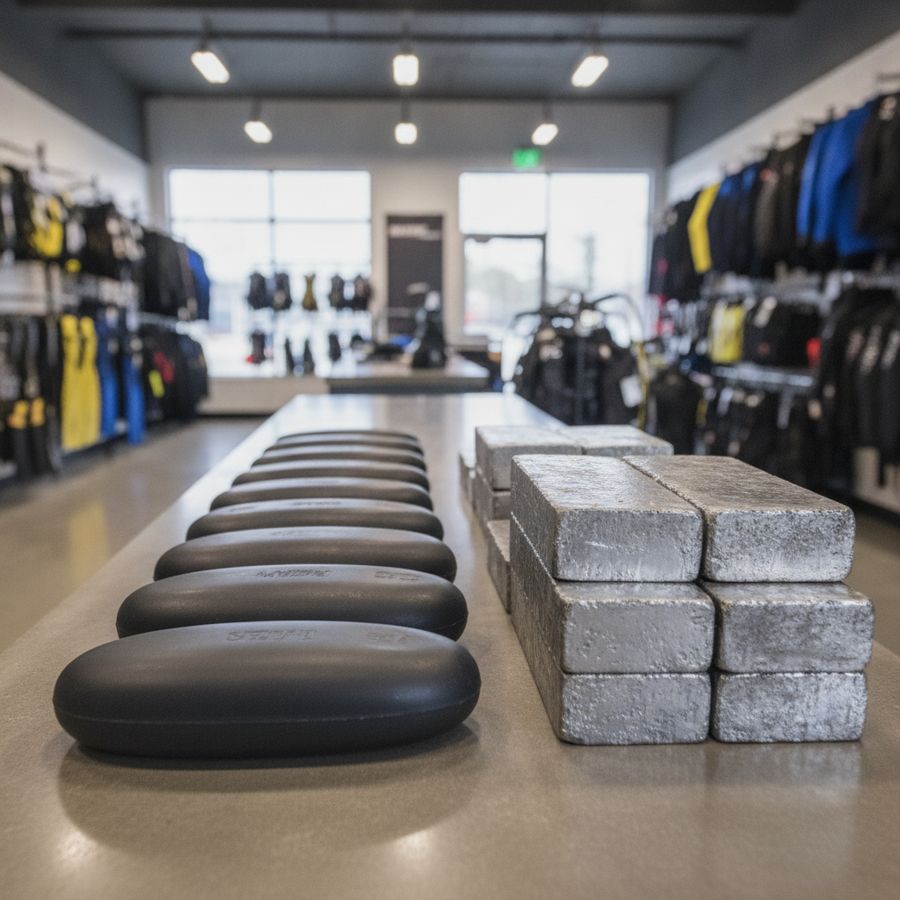
The primary types of weights used by technical divers include soft lead pouches, lead blocks, and specialized trim weights. Each has unique advantages and is chosen based on the dive profile, equipment configuration, and personal preference. Moreover, the distribution of these weights plays a vital role in managing buoyancy changes during decompression stops, which are common in technical dives.
Ultimately, mastering the setup, placement, and use of trim weights provides technical divers the control and safety margin needed for complex dives. This article explores these aspects in detail, offering insights into why tech diving requires different weight strategies and how to optimize your gear for superior underwater performance.

Why tech diving needs different weight placement
Technical diving presents unique challenges that necessitate a different approach to weight placement compared to recreational diving. The complexity and volume of equipment used, such as double cylinders, stage tanks, and redundant systems, shift the diver’s center of gravity and buoyancy in ways that require precise compensation.
Unlike a single tank recreational setup, the combined weight and volume of doubles and additional gear can cause the diver to become unbalanced if weights are not properly distributed. Improper weight placement can lead to poor trim, causing the diver’s legs to drop or the upper body to tilt, increasing drag and fatigue.
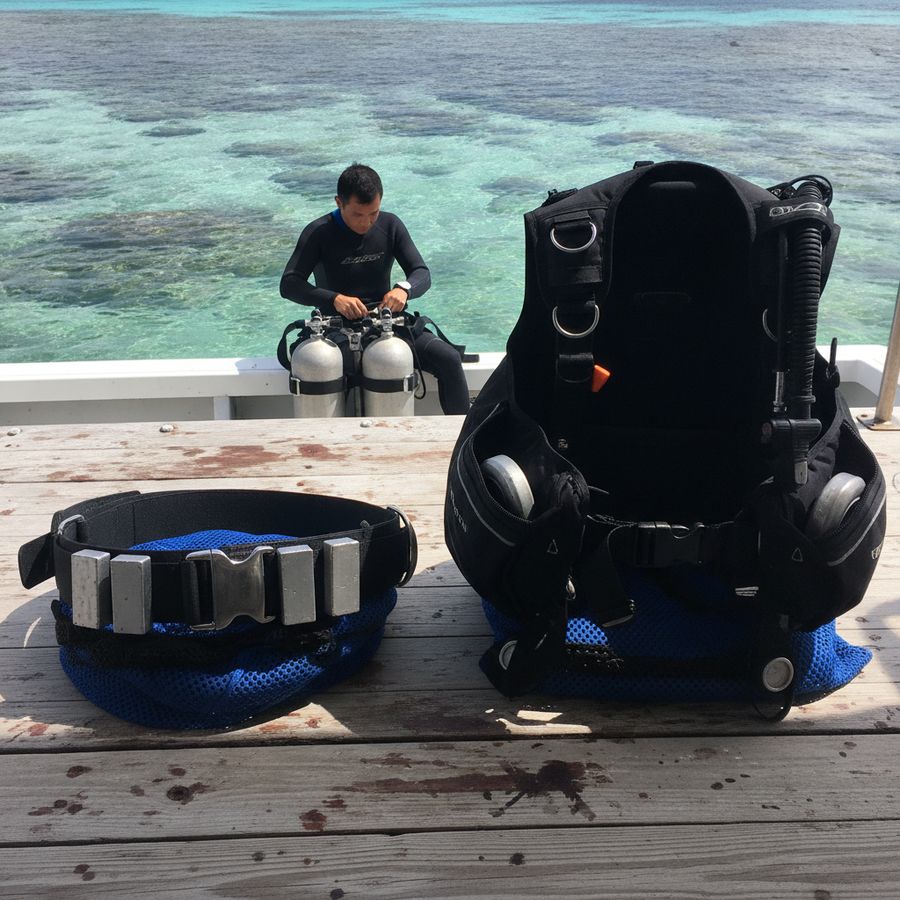
Technical divers often position weights not only on the weight belt but also integrated into the harness or attached as trim weights on the back or sides. This strategic distribution helps achieve a horizontal, streamlined position underwater, which is essential for efficient movement and safety. For example, placing weights too low or too far forward can cause the diver to be feet-heavy, whereas weights positioned too high or far back can make the diver head-heavy.
Buoyancy control becomes more complex with the addition of multiple gas cylinders and stage bottles. Weight placement must counterbalance these elements to maintain stability and control throughout the dive, especially during gas switches or decompression stops. As buoyancy characteristics change with depth and gas consumption, having a well-thought-out weight setup helps maintain consistent trim without excessive finning or adjustments.
“In technical diving, weight placement is as critical as the total weight carried; it directly influences your trim, stability, and ultimately your safety.”
Additionally, different dive profiles and environments may require adjustments in weight placement. For instance, cave and wreck divers often carry heavier equipment and require more precise trim control to navigate tight spaces safely. Proper weight placement also reduces the risk of entanglement by keeping the diver’s profile compact and streamlined.
In summary, technical diving demands a tailored approach to weight placement to match the unique equipment configuration and dive conditions, enhancing control, reducing effort, and improving overall dive safety.
Choosing blocks vs soft weights for stability
When it comes to tech diving weights, divers often choose between lead blocks and soft lead weights, each offering distinct benefits for stability and convenience. Understanding the differences can help divers optimize their setup according to their diving style and requirements.
Lead blocks are solid, typically coated, pieces of lead that provide a fixed and stable form of ballast. Because of their shape and density, lead blocks offer excellent stability and are less likely to shift during the dive, which is essential for maintaining consistent scuba trim. Their rigid structure makes them ideal for placement on the backplate or harness, where they can contribute to a stable center of gravity.
Lead blocks also benefit from durability and resistance to damage or deformation. Many tech divers prefer coated blocks to prevent oxidation and prolong the weight’s lifespan, especially in saltwater environments. Their fixed weight increments make it easier to fine-tune overall ballast precisely.
On the other hand, soft lead weights come in pouches or bags filled with lead shot or pellets. These weights offer flexibility, allowing divers to distribute weight more precisely around the body or equipment to adjust trim dynamically. Soft weights are often used on weight belts or integrated into harnesses where they can be shifted or removed more easily during a dive.
Advantages of soft weights include:
- Customizable distribution for fine trim adjustments
- Lower profile and conformability to the diver’s body
- Ease of removal in emergencies
- Availability in multiple sizes for incremental weighting
However, soft weights may shift more readily during active swimming or in turbulent conditions, potentially causing trim issues if not secured properly. They may also be more susceptible to wear over time compared to solid blocks.
“The choice between lead blocks and soft weights boils down to balancing stability with flexibility in trim adjustment.”
Technical divers often combine both types to leverage their strengths — using lead blocks to establish a stable base weight and soft weights for minor trim corrections. This hybrid approach allows divers to optimize their buoyancy and streamline their profile while maintaining easy access to weights if adjustments are needed.
Ultimately, selecting the right weighting system depends on your dive equipment, environment, and personal preferences. Quality suppliers offering specialized products like coated lead blocks and soft lead pouches can provide the reliable materials needed for a professional tech diving setup.
Trim weight placement for doubles and stages
Proper placement of trim weights is paramount for technical divers using double tanks and stage bottles. These configurations significantly alter the diver’s buoyancy and balance, making precise trim weight positioning essential to maintain a horizontal, streamlined posture underwater.
Double tanks add considerable weight and volume on the diver’s back, shifting the center of gravity rearward. Without appropriate trim weights, this often causes the diver’s legs to rise or the upper body to tilt forward, increasing drag and exhausting the diver prematurely. To counteract this, divers place trim weights strategically to redistribute weight for optimal balance.
Common trim weight placement strategies include:
- Backplate weights: Lead blocks or tech blocks secured on the lower back help counterbalance the tanks’ weight and volume.
- Side-mounted weights: Smaller weights placed on the sides of the harness can fine-tune lateral balance and prevent rolling.
- Stage bottle weights: Trim weights attached directly to stage cylinders help keep them stable and prevent them from swinging during swims or transitions.
Stage cylinders, used for decompression or extended bottom time, require secure weighting to ensure they remain stable and accessible throughout the dive. Weighting these properly prevents them from becoming awkward or hazardous to handle underwater.
Technical divers often experiment with weight placement during training dives to find the ideal configuration tailored to their equipment and body type. The goal is a scuba trim where the diver is perfectly horizontal, minimizing finning effort and maximizing propulsion efficiency.
“Strategic trim weight placement around doubles and stages is the key to effortless, controlled movement and energy conservation underwater.”
Adjusting trim weights also helps manage buoyancy changes as gas is consumed from the tanks, which alters the diver’s overall mass and balance. A well-balanced diver with correctly placed trim weights can maintain a stable position during both active swimming and passive hanging at decompression stops.
For technical divers, investing time in perfecting trim weight placement is an essential part of dive preparation, contributing significantly to safety, comfort, and dive performance.

Managing buoyancy changes during deco stops
Decompression stops are a critical phase of technical dives, requiring precise control over buoyancy to maintain safety and conserve energy. Managing buoyancy changes during these stops is a complex task influenced heavily by weight setup and trim adjustments.
As divers ascend during decompression, the volume of gas in their wetsuit or drysuit, buoyancy compensator, and lungs expands due to decreasing pressure. These changes can cause unexpected shifts in buoyancy, making it challenging to hold a steady depth without constant finning or adjustments.
Effective management of buoyancy during deco stops involves:
- Proper baseline weighting: Ensuring the diver is neutrally buoyant at the deepest stop to minimize the need for drastic adjustments later.
- Use of trim weights: Strategically placed trim weights help maintain a stable, horizontal position, reducing inadvertent ascents or descents.
- Controlled breathing: Regulating lung volume to fine-tune buoyancy in small increments.
- Suit and BCD management: Minimizing suit squeeze by equalizing gas volume and using a well-fitted buoyancy compensator to avoid excess gas expansion.
“Maintaining precise buoyancy during deco stops is crucial for safe off-gassing and avoiding decompression sickness.”
Technical divers often use drysuits, which require additional weighting and careful gas management to prevent uncontrolled ascents. The interaction between drysuit gas volume and weighted setup must be well understood and practiced.
Furthermore, as gas is consumed from the tanks, the diver’s overall mass decreases, necessitating small weight shifts or buoyancy compensator adjustments to stay neutrally buoyant. Having a well-optimized weighting system with stable trim weights reduces the frequency and magnitude of these corrections, making deco stops more controlled and less tiring.
Ultimately, mastering buoyancy management during decompression is a skill that enhances dive safety and comfort, allowing technical divers to focus on monitoring their decompression schedule and environment rather than fighting buoyancy fluctuations.
Streamlining: keeping weights secure and accessible
In technical diving, streamlining your gear setup is paramount to reduce drag, prevent entanglement, and enhance safety. This principle extends to how weights are secured and positioned on your dive rig.
Keeping weights secure means ensuring that lead blocks, soft weights, and trim weights do not shift or move during the dive, which can negatively affect scuba trim and stability. Weight movement can cause imbalance, increase drag, and distract the diver from critical tasks.
Technical divers use specialized harness systems and weight pockets designed to hold weights firmly in place. Soft lead weights are often sewn into pouches or attached with strong Velcro or buckles to prevent slippage. Lead blocks are secured with straps or integrated into backplates to maintain their position.
Accessibility is another important consideration. In emergencies, the ability to ditch weights quickly can be life-saving. Weight systems should allow easy and reliable release mechanisms without compromising security during normal diving conditions.
Best practices for streamlining weights include:
- Using coated lead blocks to prevent corrosion and maintain smooth surfaces
- Integrating trim weights into the harness at strategic points to minimize profile bulk
- Regularly checking and maintaining weight attachments to prevent accidental loss
- Balancing the need for quick release with secure fastening methods
“A streamlined, well-secured weight system enhances diver efficiency and reduces the risk of entanglement or equipment snagging.”
By investing in quality equipment such as specialized tech blocks and soft lead pouches from reputable suppliers, technical divers can build a weight system that supports both performance and safety. Maintaining a clean, compact profile underwater enables smoother movement, less gas consumption, and increased comfort during complex dives.
Conclusion
Understanding the fundamentals of tech diving weights—including setup, placement, and trim basics—is essential for any technical diver seeking to enhance safety, efficiency, and comfort underwater. Technical diving’s complexity requires a tailored approach to weighting that accounts for multiple cylinders, stage bottles, and equipment volume changes.
Choosing between lead blocks and soft weights, placing trim weights strategically for doubles and stages, managing buoyancy shifts during decompression, and ensuring weights are both secure and accessible are all critical factors that influence dive success. Properly managed weights contribute not only to optimal scuba trim but also to reduced drag, better energy conservation, and safer ascent profiles.
With the right knowledge and equipment, such as premium coated blocks and soft lead pouches, technical divers can fine-tune their weighting system for any dive scenario. This attention to detail ultimately improves dive performance and reduces risks, allowing divers to explore more challenging environments with confidence.
For professional-quality diving weights and expert advice on optimizing your tech diving setup, partnering with a specialized supplier ensures you receive reliable, high-quality products tailored to the demanding needs of technical diving.