Overview
When it comes to scuba diving, selecting the right diving weights is crucial for safety, comfort, and performance underwater. Among the most common scuba weight systems, weight belts and integrated weights stand out as popular choices. Each system offers distinct advantages and potential drawbacks that divers should carefully consider before deciding which setup suits their diving style and conditions best.
Weight belts have been a longstanding favorite, appreciated for their simplicity and versatility. In contrast, integrated weight systems represent a modern approach, embedding weights directly into the buoyancy compensator device (BCD) pockets for streamlined use.
Understanding the pros and cons of weight belts versus integrated weights helps divers optimize their buoyancy control and emergency preparedness. The right scuba weight system not only enhances underwater maneuverability but also significantly affects diver comfort and safety, especially when ditching weights in emergencies.
“Choosing the proper diving weights is a foundational step in ensuring a secure and enjoyable underwater experience.”
In this article, we will explore how weight belts and integrated weight systems function, compare their comfort and fit, evaluate their safety features for ditching weights, and provide guidance on selecting the best scuba weight setup for your diving needs.

How weight belts work for scuba diving
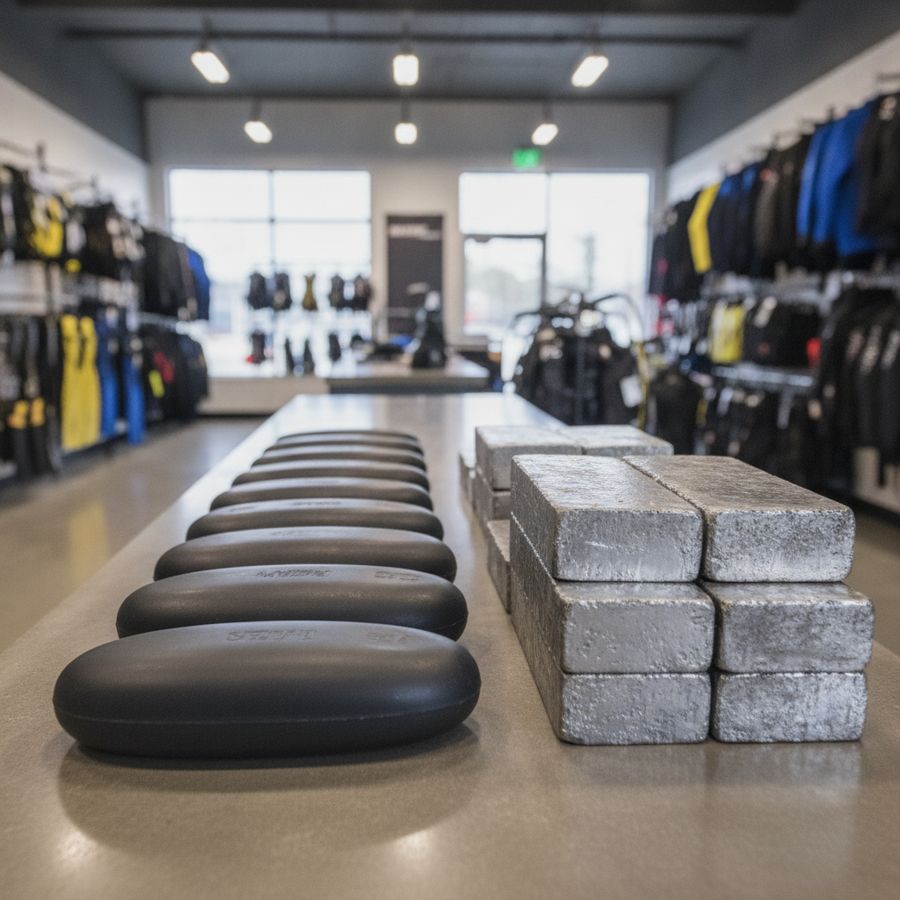
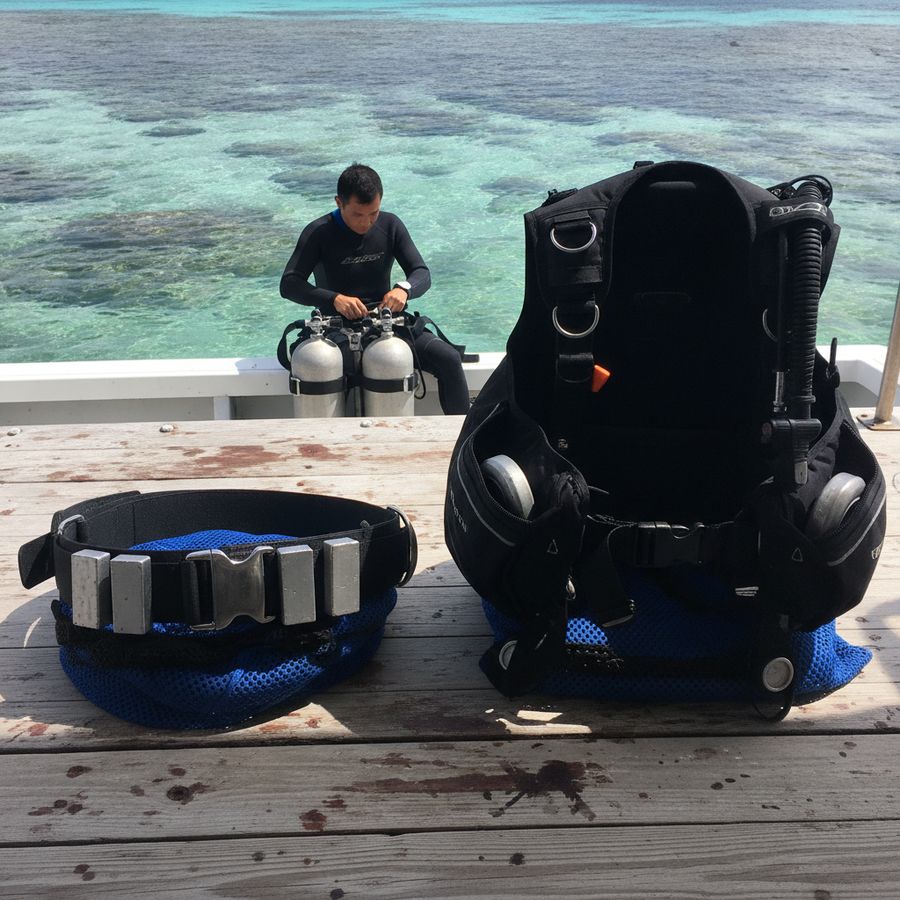
Weight belts are one of the simplest and most traditional methods for carrying diving weights. Typically made from durable nylon or rubber materials, these belts hold lead blocks or soft lead pouches secured around the diver’s waist. The primary function of a weight belt is to offset the natural buoyancy of the wetsuit and other equipment, allowing divers to maintain neutral buoyancy underwater.
Weight belts are highly adjustable and can accommodate a wide range of body sizes and weight requirements. This flexibility makes them a preferred choice for many divers, especially those who appreciate a straightforward and customizable setup.
Another advantage of weight belts is their easy accessibility. Divers can quickly add or remove weights as necessary, and in emergencies, they can ditch the entire belt swiftly to achieve rapid ascent if needed.
However, some divers find weight belts less comfortable during long dives, as the belt and weights may shift or press uncomfortably around the hips. Additionally, weight belts require careful placement to avoid interference with other gear and to prevent the weights from sliding around.
“Weight belts offer divers a simple, reliable, and easily adjustable method to carry diving weights with quick ditching capability.”
Integrated weight systems explained simply
Integrated weight systems are designed to incorporate diving weights directly into the buoyancy compensator device (BCD). Instead of wearing a separate belt, the weights are inserted into specialized pockets located on the BCD, typically along the sides or back. This setup streamlines the diver’s profile and reduces bulk.
One of the major benefits of integrated weights is enhanced comfort and streamlined gear configuration. By distributing the weights evenly and close to the body, integrated systems help improve balance and reduce pressure points compared to weight belts.
Integrated weight pockets also include quick-release mechanisms that allow divers to ditch weights rapidly during emergencies. However, the ditchable weights are limited to the pockets designed for this purpose, and not all integrated systems accommodate the same weight capacity as traditional belts.
Some divers prefer integrated systems for their clean look and convenience, especially when diving frequently or in challenging conditions. Maintenance and inspection of integrated weight pockets are essential to ensure the release mechanisms function properly over time.
“Integrated weights offer a modern, ergonomic approach to carrying diving weights, enhancing comfort and reducing drag underwater.”
Comfort and fit: belt vs pockets
Comfort is a key factor when choosing between weight belts and integrated weight systems, as discomfort can distract divers and impact their underwater experience. Weight belts, while adjustable, may cause pressure points or chafing around the waist, particularly during extended dives or when carrying heavier weights.
On the other hand, integrated weight pockets distribute the weight more evenly across the torso, often resulting in a more balanced and less intrusive fit. This distribution reduces strain on the hips and lower back, which is particularly beneficial for divers with sensitive areas or those prone to discomfort.
The fit of integrated systems can also contribute to better hydrodynamics, minimizing drag and resistance underwater. However, some divers report that integrated pockets can sometimes cause bulkiness or restrict movement slightly, depending on the BCD design and weight configuration.
Ultimately, comfort depends on personal preference, body shape, and diving style. Trying both systems and considering factors like dive duration, typical weight requirements, and gear compatibility will help determine the most comfortable and practical option.
- Weight belts offer easy adjustment but may create pressure points.
- Integrated pockets provide even weight distribution and reduced drag.
- Personal comfort varies; testing both systems is advisable.
Ditching weight safely in emergencies
Safety is paramount in scuba diving, and the ability to ditch weights quickly during an emergency can be lifesaving. Weight belts excel in this regard, as divers can release a single buckle or clip to shed all weights instantly. This rapid ditching allows for a swift ascent, which can be critical if a diver is struggling with buoyancy or an equipment malfunction.
Integrated weight systems also feature quick-release mechanisms, but their complexity varies by model. Divers must ensure these release clips are well-maintained and easily accessible. In some cases, integrated weight pockets may require more deliberate effort to ditch all weights compared to a simple belt buckle.
It is essential for divers to regularly practice ditching weights in a controlled environment to build muscle memory and confidence. Understanding the nuances of your specific scuba weight system can make a significant difference in an actual emergency scenario.
“Effective ditchable weights are a critical safety feature that every diver should master before diving.”
Regardless of the system, always inspect release mechanisms before each dive and ensure weights are secured but can be released swiftly when necessary.

Choosing the best scuba weight setup
Choosing the ideal scuba weight system depends on several factors including diving conditions, personal comfort, and safety priorities. Weight belts are often favored by beginners and those who value simplicity and quick ditching. They offer versatility in weight adjustment and are compatible with nearly all diving gear.
Integrated weight systems appeal more to experienced divers seeking comfort, streamlined gear, and better weight distribution. They reduce bulk and improve hydrodynamics but require familiarity with the equipment and regular maintenance of release mechanisms.
Consider the following when selecting your scuba weight system:
- Typical dive environments and necessary weight requirements
- Personal comfort and body shape
- Compatibility with existing diving gear
- Preference for ease and speed of ditching weights
- Budget and willingness to invest in maintenance
Ultimately, consulting with dive professionals and testing both systems can provide valuable insights. Investing in high-quality diving weights and accessories from specialist suppliers ensures reliability and safety underwater.
Conclusion
Both weight belts and integrated weight systems have unique advantages and limitations when it comes to carrying diving weights. Weight belts offer simplicity, easy adjustment, and rapid ditching, making them suitable for many divers and conditions. Integrated weights provide enhanced comfort, improved weight distribution, and a streamlined profile but may involve more maintenance and familiarity.
Choosing the right scuba weight system is a personal decision that should prioritize safety, comfort, and the specific demands of your diving activities. Familiarity with your equipment, regular practice of ditching procedures, and selecting quality diving weights from trusted specialists contribute significantly to a safe and enjoyable dive.
By understanding the pros and cons of weight belts versus integrated weights, divers can confidently select the optimal scuba weight system tailored to their needs.