Overview
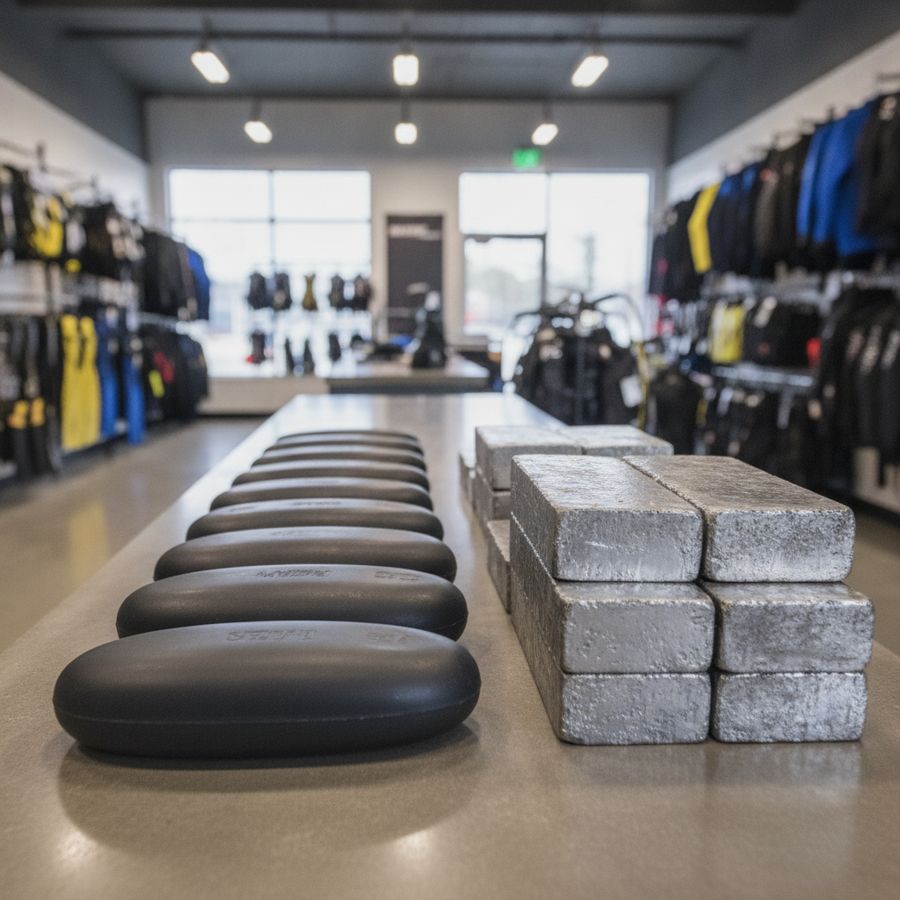
For divers building a clean, adaptable configuration, tech blocks offer a practical way to fine-tune buoyancy without the bulk of traditional belt weights. In particular, 1 kg tech blocks have become a smart choice for sidemount and stage setups because they are compact, easy to position, and simple to combine in small increments. That matters when trim, balance, and equipment streamlining all need to work together underwater.
Unlike larger fixed weights, these modular dive weights allow divers to make small adjustments based on cylinder choice, exposure suit, salinity, and the number of stages carried. Instead of overcorrecting with one heavy block, you can distribute weight more precisely across the harness or waistband. The result is often a flatter profile in the water and less effort spent compensating with body position.
Small, compact weight increments give technical divers more control over trim, comfort, and consistency across changing dive configurations
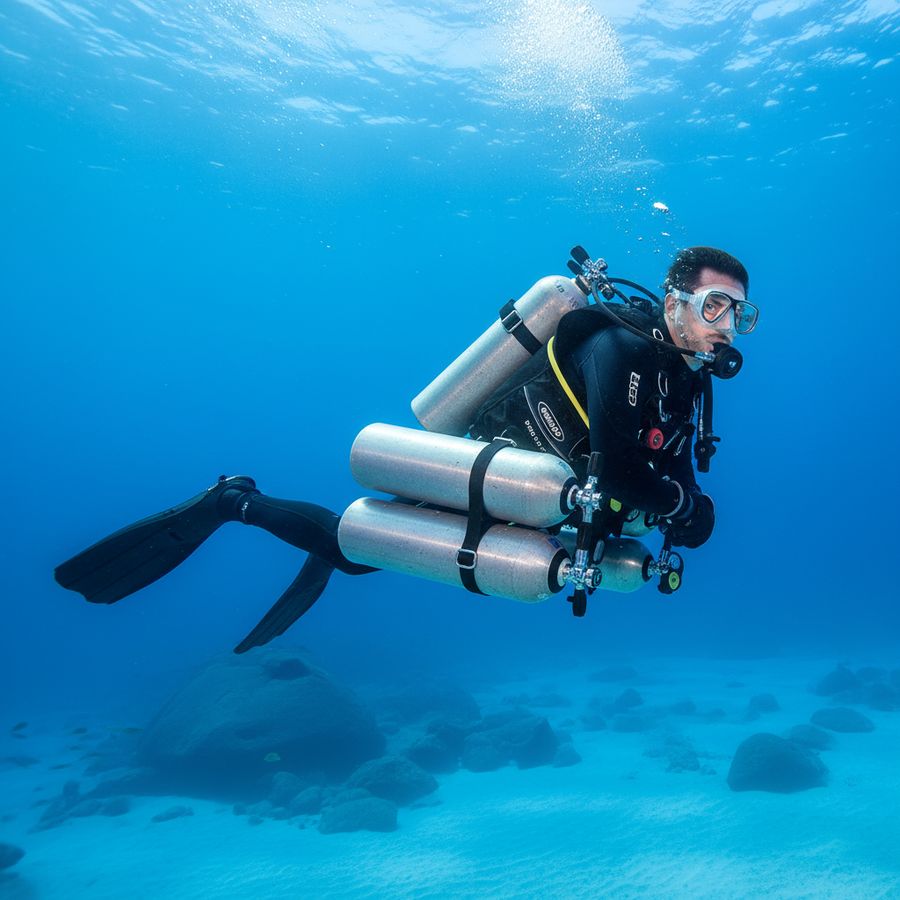
For sidemount divers especially, weight placement is never only about total kilos. It is about where the mass sits and how it affects cylinder rotation, torso position, and gas management over the course of the dive. That is why sidemount weights in smaller units are often easier to work with than larger alternatives. The same logic applies to stage diving weights, where flexibility becomes essential as bottles are added or removed.
Why 1 kg blocks simplify modular weighting
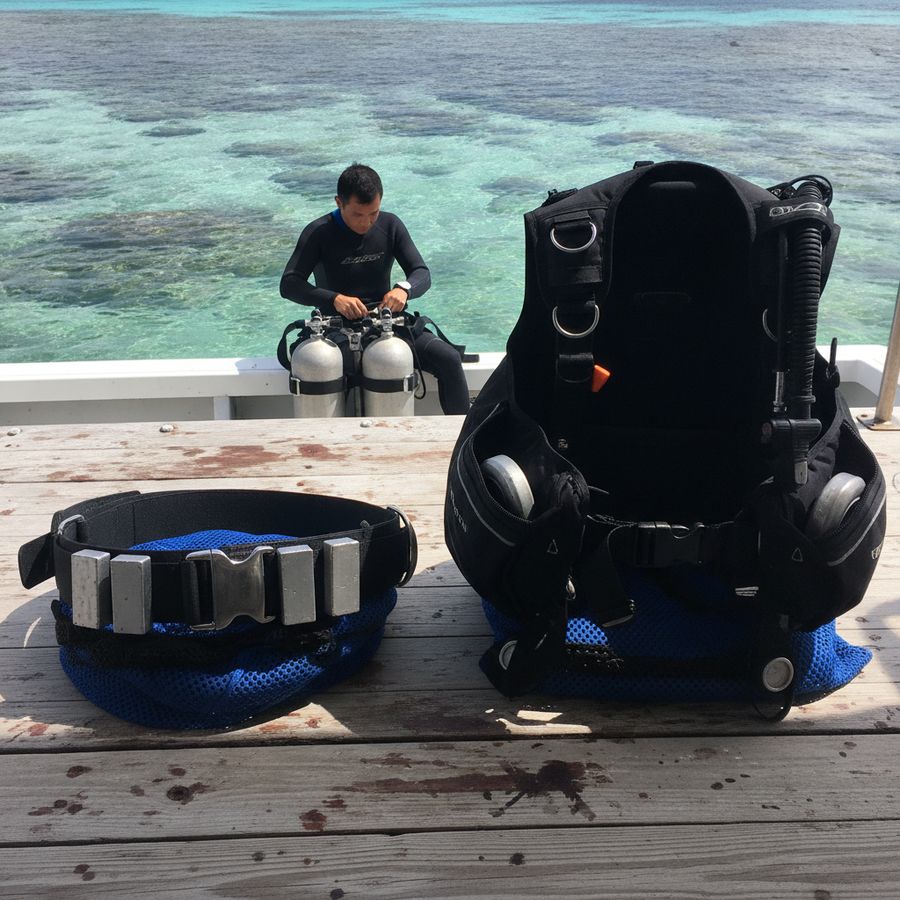
The biggest advantage of 1 kg tech blocks is flexibility. A diver who needs 2 kg today may need 3 kg tomorrow when switching from aluminum cylinders to steel, adding a thicker undersuit, or carrying extra stages. Smaller blocks let you adjust your system gradually rather than making broad changes that can disrupt trim. This is the core benefit of modular dive weights: controlled, repeatable customization.
In practical terms, 1 kg increments make setup decisions easier during training, equipment changes, and seasonal diving. You can add one block to test a new drysuit undergarment or remove one block when moving from fresh water to salt water. Because each unit is compact, the overall system also stays cleaner than stacking oversized weights where they do not quite fit.
- More precise weighting adjustments
- Easier distribution across multiple mounting points
- Better compatibility with sidemount harnesses
- Less risk of over-weighting with a single change
For dive centers, instructors, and technical teams, this also creates consistency. Standardized tech blocks are easier to issue, swap, and combine across different divers and equipment profiles. Instead of treating weighting as a last-minute compromise, 1 kg blocks support a more systematic approach to setup and performance.
Best placements for sidemount balance and trim
When using sidemount weights, placement matters as much as total weight. Compact blocks work best when positioned to support a neutral, horizontal trim without pushing the diver head-up or foot-down. Many sidemount divers prefer placing weight close to the spine or along the rear waist area of the harness, where it helps stabilize the torso while keeping the profile streamlined.
If the cylinders tend to ride too light at the bottom or shift through the dive, small changes in block placement can help maintain balance. This is where 1 kg tech blocks outperform larger weights. Rather than moving a single heavy piece and creating a dramatic change, divers can split mass across two or three points to fine-tune body position more gradually.
Good sidemount trim usually comes from balanced distribution, not simply adding more lead
Common placement goals include:
- Keeping the diver flat and stable in the water column
- Preventing lower back bulk and excess drag
- Supporting even cylinder attitude on both sides
- Allowing quick adjustments for different tank materials
Every harness design is slightly different, so exact positioning should be tested in the water. Still, compact tech blocks make that process much easier. Divers can shift one kilogram at a time, observe the effect, and build a more refined weighting strategy that suits their body shape and equipment configuration.
Using tech blocks with drysuits and stages
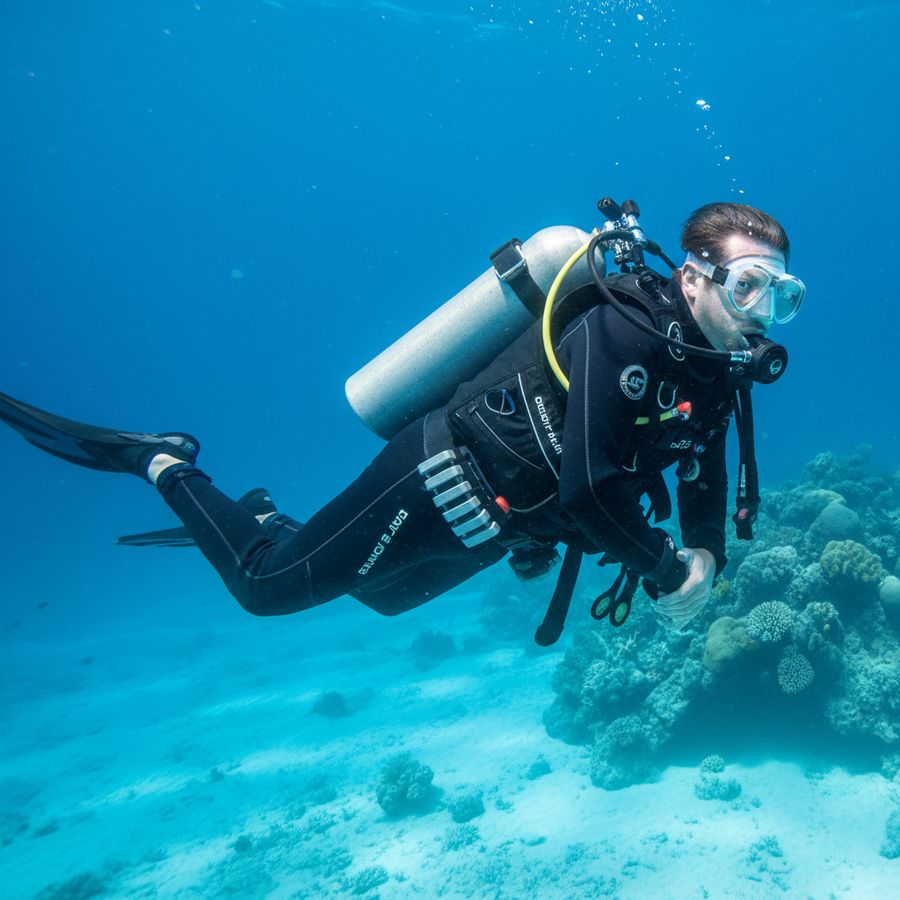
Drysuit diving adds another layer of complexity to weighting because buoyancy changes with undergarments, gas volume, and water temperature. Add stage cylinders, and the system becomes even more dynamic over the course of the dive. This is exactly where tech blocks are useful. Their compact form and predictable increments help divers balance multiple variables without relying on one bulky weight source.
With a drysuit, divers often want enough lead to stay controlled at the end of the dive while still maintaining comfort and trim at the start. Using 1 kg tech blocks allows weight to be distributed where it contributes to posture, not just descent. For example, small blocks can be placed to counteract suit buoyancy around the torso while keeping the harness low-profile.
For stage diving weights, modularity is equally valuable. Carrying one or more stage bottles shifts balance, especially as gas is breathed down. Smaller weight units make it easier to adapt the base setup depending on whether the dive includes no stage, one stage, or multiple decompression cylinders.
Modular dive weights are especially effective when divers need to:
- Adjust for seasonal drysuit insulation changes
- Compensate for added stage cylinders
- Maintain trim as bottle buoyancy changes during the dive
- Keep the harness streamlined and uncluttered
The result is a setup that feels more intentional, balanced, and easier to reproduce dive after dive.
Travel kit advantages versus larger block weights
Travel diving rewards equipment that is compact, adaptable, and easy to pack. That makes 1 kg tech blocks especially attractive for divers who need their weighting system to work across different destinations and rental combinations. Compared with larger block weights, smaller units are easier to organize in luggage, easier to distribute in a harness, and more practical when dive conditions vary from one trip to the next.
A diver traveling between warm-water sidemount dives and colder local training sessions may need very different total lead, but the same compact blocks can still serve both purposes. Instead of carrying one or two large pieces that only suit one setup, smaller modular dive weights give more options. You can bring only what you need and configure them according to tank type, suit thickness, and local salinity.
Compact weighting systems are easier to pack, easier to adapt, and easier to integrate into modern technical dive gear
Larger block weights can still be useful in some fixed setups, but they are often less forgiving when travel introduces unknowns. Rental cylinders, different harness systems, and changing exposure protection all benefit from finer adjustment points. For mobile divers, instructors, and expedition teams, tech blocks help maintain consistency without adding unnecessary bulk or limiting setup choices.
Who benefits most from compact hard weights
Not every diver needs the same type of weighting system, but compact hard weights are particularly valuable for those who regularly fine-tune equipment. Sidemount divers are an obvious example because cylinder characteristics, harness fit, and trim goals all influence where lead should sit. In these cases, sidemount weights in 1 kg increments offer a more precise solution than large traditional blocks.
Technical divers carrying stages also benefit because stage diving weights must support a changing configuration. As additional cylinders are clipped on or removed, smaller weight units make it easier to maintain a predictable in-water posture. Drysuit divers, instructors, and dive schools can also gain from a modular system that works across multiple body types and training scenarios.
- Sidemount divers optimizing trim
- Technical divers using one or more stage cylinders
- Drysuit divers adjusting for undergarment changes
- Instructors and dive centers standardizing student setups
- Traveling divers needing adaptable weighting options
For professional buyers, compact tech blocks are also practical from an inventory standpoint. A focused range of smaller units can serve more applications across rental fleets, training equipment, and technical programs. That aligns well with a specialist approach to diving lead, where reliability, consistency, and targeted product selection matter more than offering oversized one-size-fits-all solutions.
Conclusion
The appeal of 1 kg tech blocks comes down to control. In sidemount and stage configurations, divers often need more than just enough lead to descend. They need a weighting system that supports trim, adapts to different cylinders, works with drysuits, and remains easy to replicate over time. Smaller hard weights answer that need by making precise, modular adjustment part of the setup from the start.
For sidemount weights, the benefit is better balance and more accurate placement. For stage diving weights, it is the ability to respond to changing bottle loads without overcomplicating the harness. And for travel or professional use, compact modular dive weights offer efficiency, consistency, and a streamlined gear profile that larger fixed blocks cannot always match.
Whether the goal is cleaner trim, easier packing, or a more adaptable technical setup, tech blocks provide a practical solution grounded in real diving needs. Small increments may seem simple, but underwater they can make a noticeable difference in comfort, control, and confidence. That is why many divers and dive professionals continue to choose compact 1 kg blocks as a dependable part of a modern weighting system.