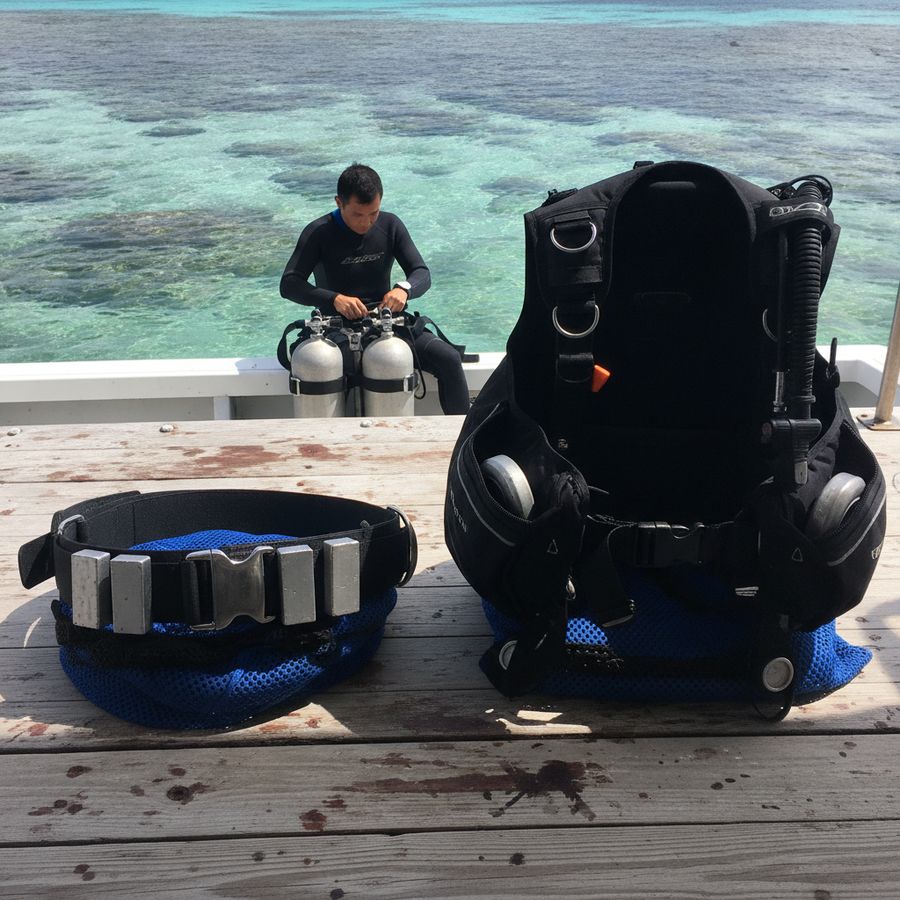
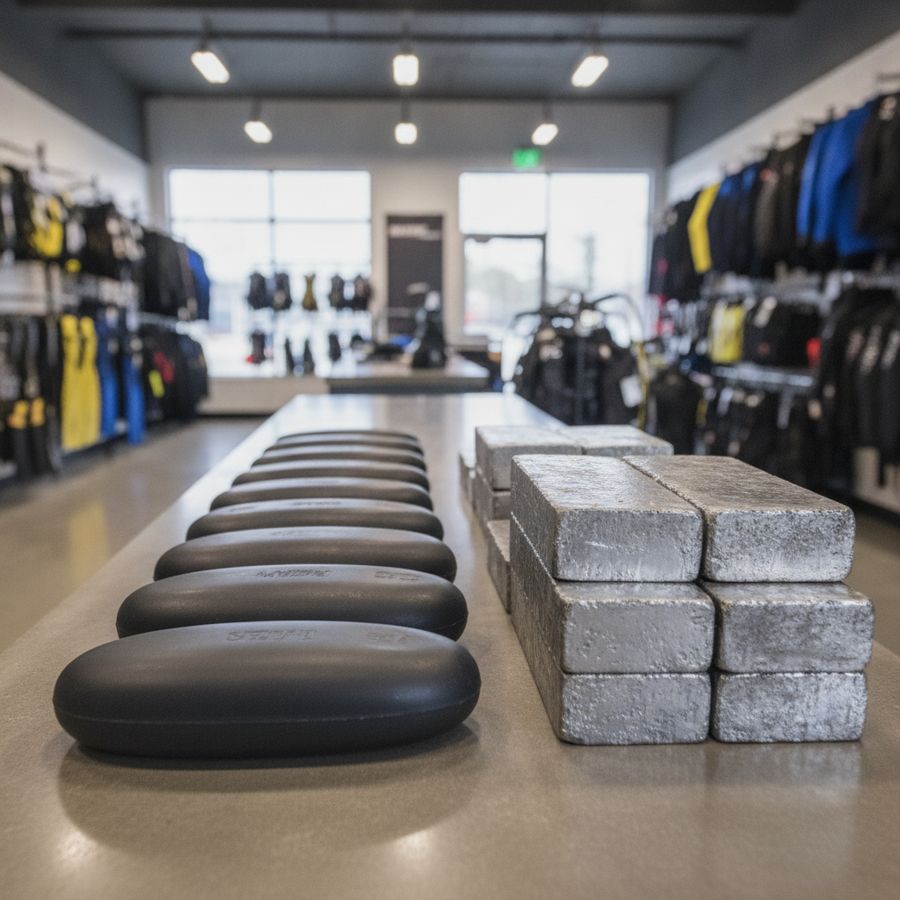
Why nickel plating matters on soft lead
Nickel plating plays an important role in how soft lead performs, looks, and lasts in a professional dive setting. While soft lead is valued for its flexibility and compact feel inside weight pouches, raw lead is more vulnerable to surface oxidation, scuffing, and residue transfer during regular use. A nickel-plated finish creates a cleaner outer layer that helps reduce direct exposure of the lead surface to hands, fabrics, and surrounding gear.
For dive shops, schools, and rental fleets, that cleaner finish matters every day. Nickel-plated soft lead generally presents better on the shelf, feels less messy during handling, and supports a more professional appearance in stock rooms and customer-facing areas. This aligns well with a specialist supplier approach where product quality, consistency, and shelf appeal all influence purchasing decisions.
Nickel plating is not only about appearance; it is a practical layer that supports cleaner handling and more consistent long-term presentation
The benefit is especially relevant when stock moves frequently between storage bins, worktables, rental gear stations, and transport crates. Repeated contact can wear any product over time, but plating helps slow the visible effects of normal use. In short, nickel plating supports better hygiene perception, less visible oxidation, and improved durability compared with untreated surfaces.
That does not mean the product is maintenance-free. Like all diving weights, it still needs correct handling and storage. However, when paired with good lead pouch care and smart dive weights storage, nickel-plated soft lead can stay presentable and serviceable for a much longer working life.
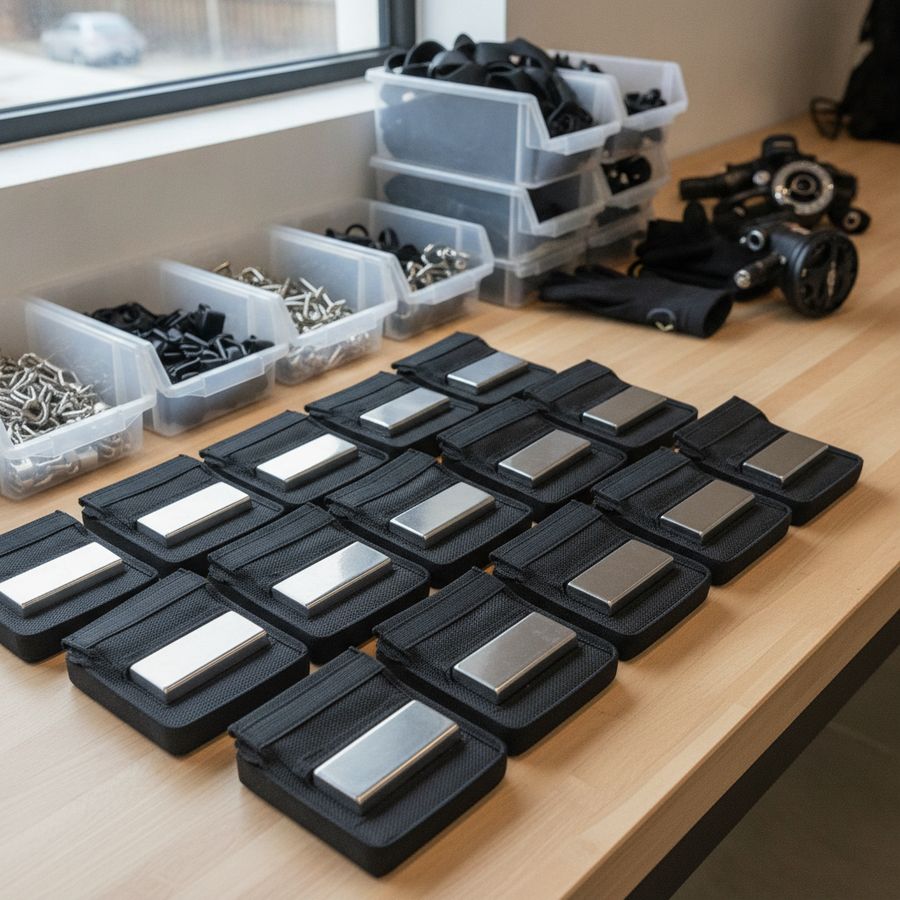
Daily handling steps that prevent surface wear
Daily routines have a direct effect on the lifespan of nickel-plated soft lead. Most surface wear does not come from a single impact; it builds gradually through rough stacking, dragging across hard surfaces, damp storage, and careless transport. A few simple handling habits can significantly reduce cosmetic damage and help preserve the protective finish.
Start by training staff to move lead pouches with dry, clean hands whenever possible. After use, avoid throwing pouches into mixed bins with buckles, tools, or sharp-edged accessories. Even durable finishes can become scratched when metal parts rub together repeatedly. It is also wise to place pouches down gently rather than slide them over concrete, steel shelving, or tiled counters.
- Keep lead separate from loose hardware and belt buckles
- Use clean bins or trays for sorting incoming and outgoing stock
- Wipe moisture off after pool or open-water sessions
- Rotate older stock forward so the same units are not always used first
Lead pouch care is also about consistency. If rental staff inspect pouches at check-in and check-out, small issues such as worn seams, moisture buildup, or plating abrasion can be spotted early. That reduces the chance of preventable damage becoming permanent.
Most product lifespan is protected by routine, not rescue cleaning after damage has already happened
In a busy shop, these steps are easy to standardize. A clean receiving area, separate storage containers, and a quick post-use inspection routine can keep soft lead looking better while lowering replacement frequency over time.
Best storage conditions for dive shop stock
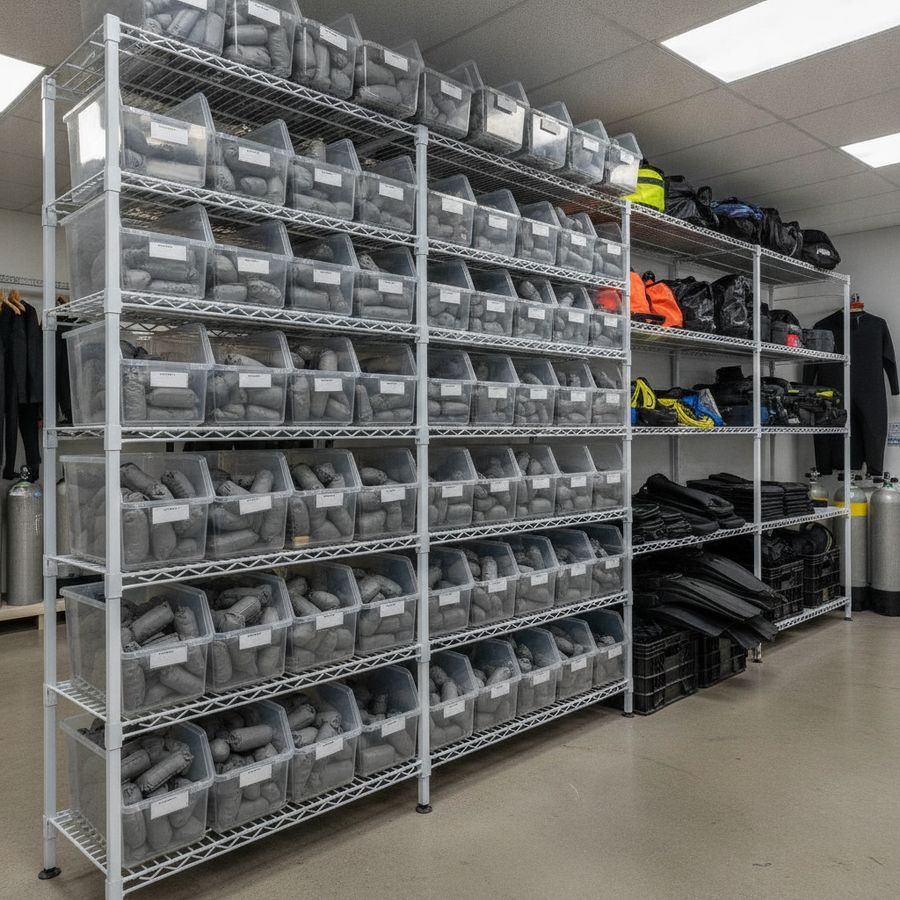
Good dive weights storage starts with the environment. Even high-quality nickel-plated soft lead benefits from stable, clean storage conditions that limit moisture, salt residue, dust, and unnecessary contact with abrasive surfaces. For dive shop stock, the goal is simple: keep products dry, organized, and easy to inspect.
The best storage area is cool, well ventilated, and protected from standing humidity. While nickel plating helps reduce surface oxidation, persistent damp conditions can still encourage wear over time, especially when pouches are stored wet after use. Shelving or bins should be sturdy enough for the load and lined, if needed, to reduce scratching from hard edges.
It is also smart to separate stock by type and weight. When soft lead pouches are mixed with lead blocks, buckles, or tools, unnecessary friction and impact become much more likely. Organized stock rotation helps too. Older items should move first so wear is distributed more evenly across inventory rather than concentrated on the same high-turnover pieces.
- Store pouches only after they are fully dry
- Avoid direct floor contact in humid back rooms
- Use dedicated bins for soft lead instead of mixed hardware containers
- Inspect shelves for rust, grit, or sharp edges
Lead pouch care is easier when storage supports it. A tidy stock system saves staff time, improves product presentation, and lowers avoidable surface damage. For professional operations, proper dive weights storage is not just housekeeping; it is part of protecting inventory value and maintaining reliable rental-ready equipment.
How to clean soft lead safely
Cleaning soft lead should always be done gently. The aim is to remove salt, dirt, and handling residue without damaging the pouch material or wearing down the nickel plating. In most cases, aggressive cleaning is unnecessary and can do more harm than good.
Start with a soft cloth dampened in clean water. For routine cleaning, that is often enough. If there is visible grime, use a mild soap diluted in water and wipe the surface carefully. Avoid abrasive pads, wire brushes, strong degreasers, bleach, or acidic cleaners, as these may scratch or dull the plated finish and may also weaken surrounding materials over time.
Safe cleaning is about preserving the surface, not making the product look polished at any cost
After wiping the pouch, rinse off any soap residue with a fresh damp cloth and dry it thoroughly before returning it to storage. This step is essential for dive weights storage, because trapped moisture can shorten the service life of both the surface and the pouch itself. If the lead has been used in salt water or a chlorinated training pool, prompt cleaning is especially worthwhile.
- Use soft cloths only
- Choose mild soap when needed
- Never soak the pouch for long periods
- Dry completely before stacking or boxing
For dive centers and retailers, the safest method is to make this a standard post-use process. Consistent, low-impact cleaning helps nickel-plated soft lead remain neat, functional, and ready for repeated handling without unnecessary wear.
Signs a lead pouch needs replacement
Even with strong lead pouch care, every pouch reaches a point where replacement is the safer and more economical choice. The key is to spot the warning signs before failure affects customers, staff efficiency, or the overall condition of your dive weight inventory.
Begin with the pouch structure itself. If stitching is loosening, seams are opening, or the outer material shows tearing, the pouch may no longer hold the soft lead securely under regular handling. Closure systems should also be checked. If fastening points are stretched, damaged, or unreliable, the pouch is no longer suitable for dependable service.
Surface condition matters too. Some cosmetic wear is normal, but deep scratches, widespread plating loss, or persistent residue that does not clean off can indicate the unit has moved beyond normal service wear. If the pouch has become misshapen, leaks filling material, or shows signs of repeated impact damage, it should be removed from stock promptly.
A worn pouch is not just an appearance issue; it can become a handling, safety, and stock-control problem
- Broken or weakened seams
- Damaged closure points
- Heavy plating wear or corrosion-like discoloration
- Visible leakage, deformation, or structural weakness
Replacing units at the right time protects both presentation and performance. For professional operators, planned replacement is usually cheaper than waiting for a pouch to fail during packing, rental turnover, or customer use. Regular inspections make it easier to identify which nickel-plated soft lead pouches are still fit for service and which are ready to retire.
Common mistakes that shorten product lifespan
Many lifespan issues with nickel-plated soft lead are preventable. In most cases, products wear out early because of repeated small mistakes rather than a defect in the lead itself. For dive shops, schools, and rental operations, avoiding those habits can extend product life and improve stock presentation at the same time.
One common mistake is storing pouches while still wet after pool or sea use. Another is tossing them into mixed containers with metal buckles, tools, or hard blocks that scratch the surface. Staff may also use harsh cleaners in an attempt to make weights look new again, but abrasive products often damage the finish faster than everyday use would.
Poor stock rotation is another issue. When the same few pouches are always taken first, those units age quickly while the rest remain untouched. Overloading shelves, dragging pouches across rough surfaces, and skipping routine inspections also contribute to premature wear.
- Leaving products damp before storage
- Mixing soft lead with sharp or heavy hardware
- Using abrasive cleaning tools or strong chemicals
- Ignoring minor wear until it becomes major damage
- Failing to rotate rental or shop stock
Dive weights storage and handling should be treated as part of inventory management, not an afterthought. A simple process for drying, cleaning, inspecting, and organizing stock can make a clear difference.
Longer lifespan usually comes from disciplined everyday habits, not from occasional deep maintenance
With the right routines, soft lead stays cleaner, looks more professional, and delivers better value over time.