Poor trim increases drag and gas use
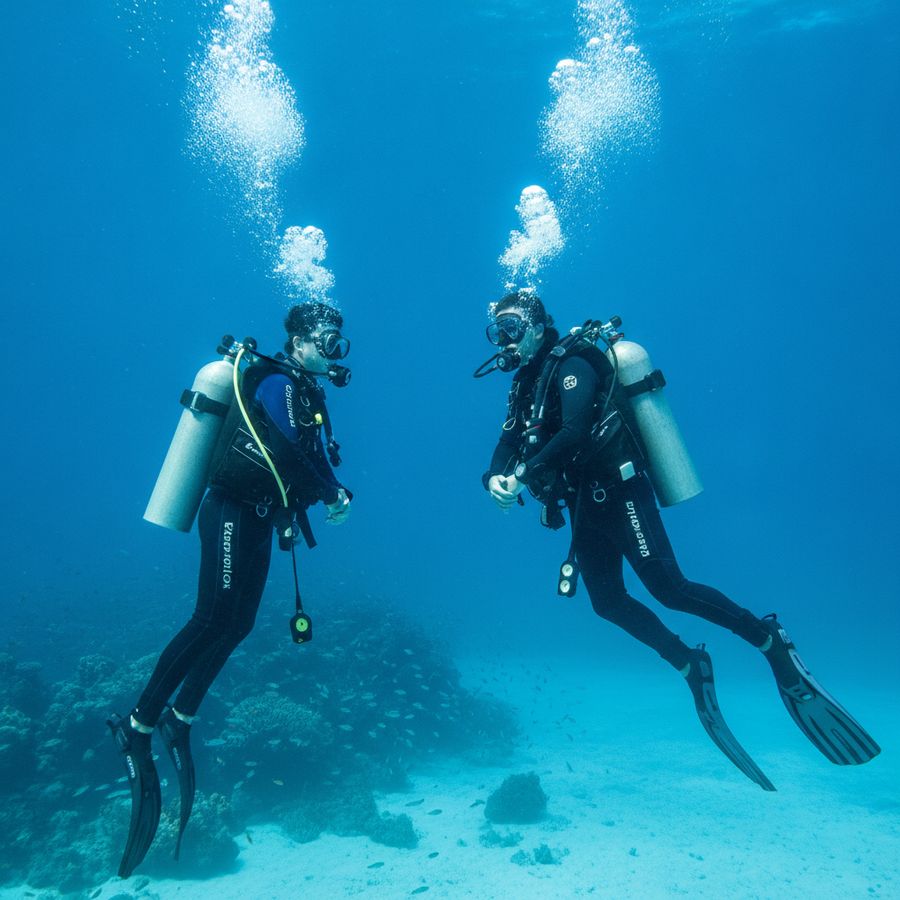
One of the most common trim mistakes divers make is swimming with their torso too upright or their legs dropped below the body line. That posture increases frontal area in the water, which creates more drag with every kick. The result is simple: you work harder, your breathing rate climbs, and your gas use rises faster than expected. In practical terms, poor trim does not just reduce comfort; it can directly affect diver safety by shortening dive time and limiting reserves.
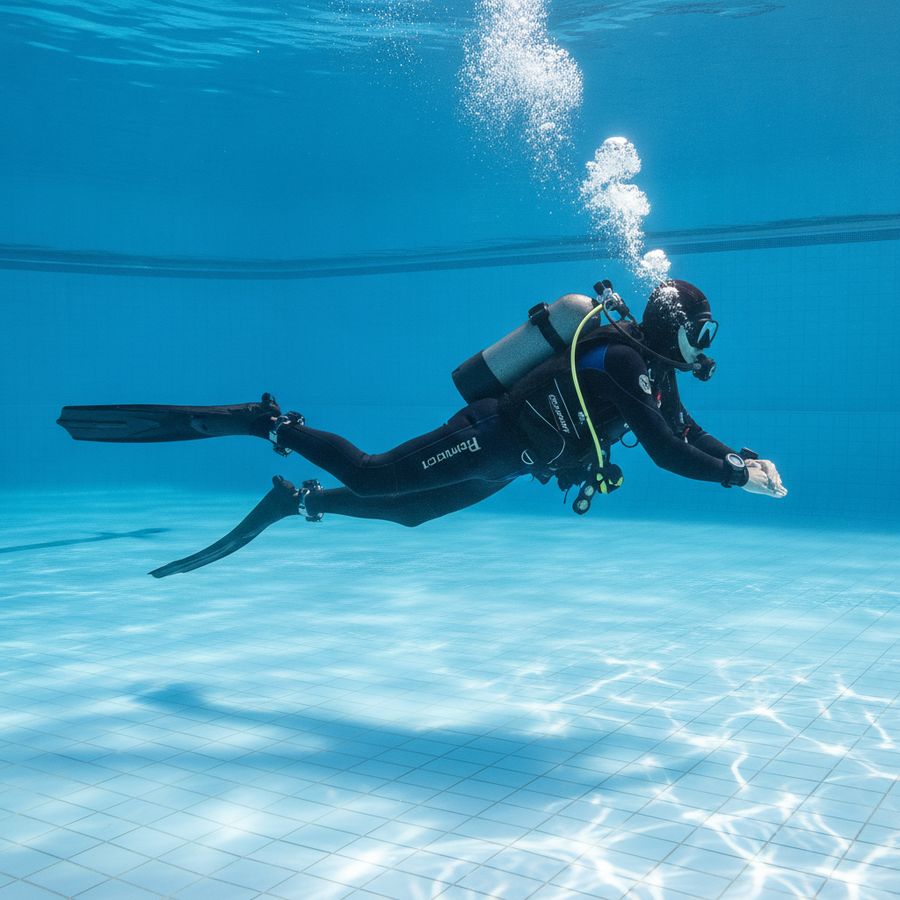
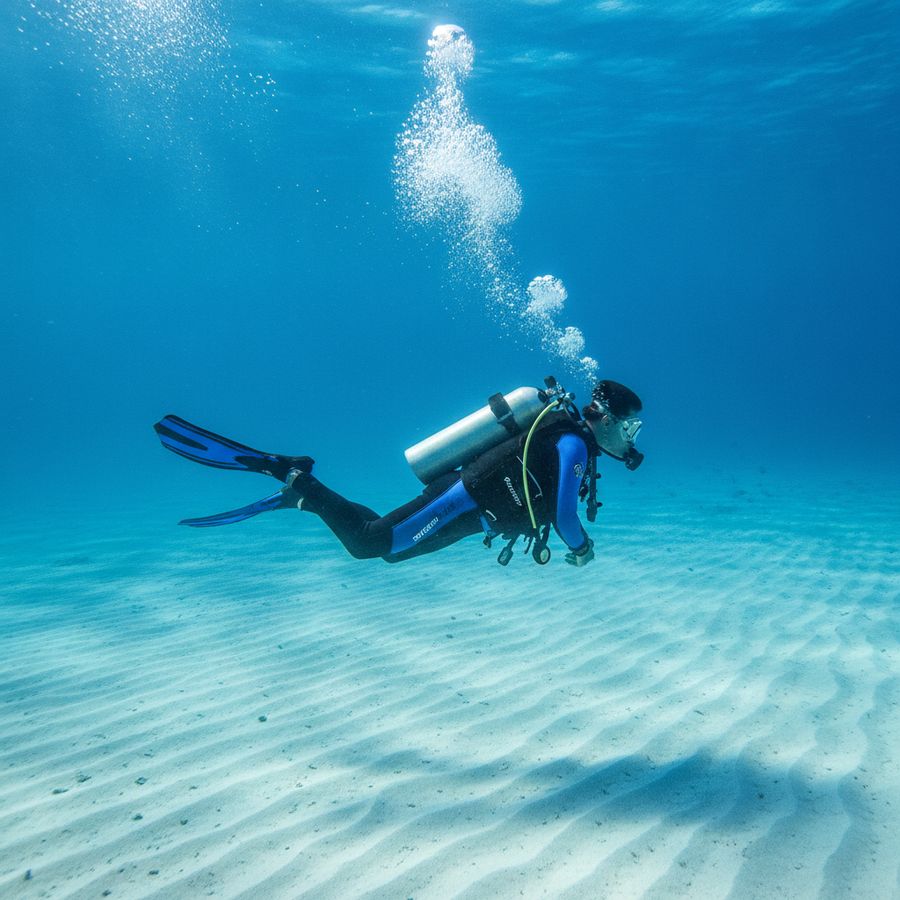
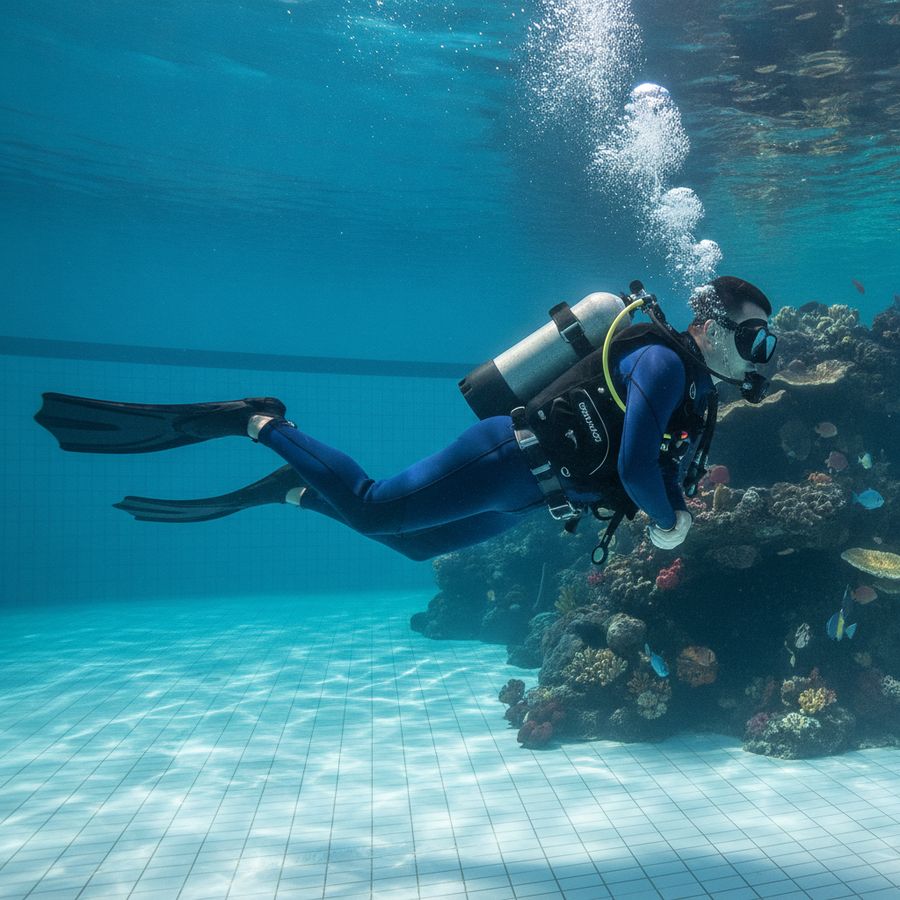
Good trim means maintaining a balanced, near-horizontal position so the body moves efficiently through the water. When weight distribution is correct, the diver no longer needs constant hand sculling or exaggerated finning to hold position. This reduces task loading, especially in current, during descents, and while hovering near delicate environments.
Efficient trim is not about looking streamlined for a photo. It is about lowering workload so breathing, gas planning, and control stay predictable.
Several factors usually cause this problem:
Too much weight concentrated low on the waist
Cylinder position set too low on the back
Heavy fins combined with an unbalanced upper body
Compensating for poor buoyancy control with continuous kicking
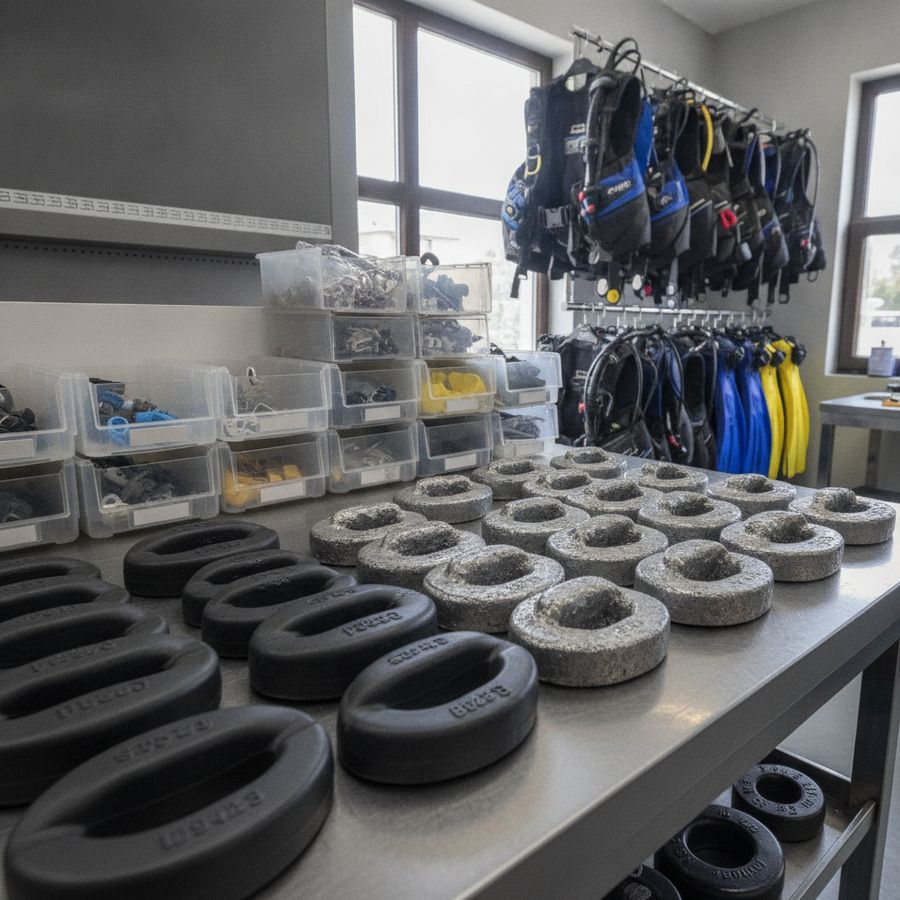
For dive professionals and technical divers alike, a cleaner in-water profile supports better propulsion, calmer breathing, and more stable stops. Whether the system uses soft pouches, belt weights, or a more specialized tech diving setup, the goal is the same: reduce drag and let the diver move with less effort.
What weight errors create unstable buoyancy?
Unstable buoyancy often begins with a basic weighting error: carrying more lead than necessary. Overweighting forces a diver to add extra gas to the BCD or wing, which creates a larger, shifting air bubble. As depth changes, that bubble expands and contracts more dramatically, making buoyancy control less precise. The diver then enters a cycle of adding and dumping gas instead of staying calm and balanced.
Underweighting is also risky, particularly near the end of the dive when the cylinder is lighter. A diver who is marginally weighted may struggle to hold a safety stop or maintain depth in choppy conditions. This becomes even more problematic when the lead is technically enough in total, but poor weight distribution causes feet-up or head-up instability.
The most frequent errors include placing all weight on the belt, ignoring exposure suit compression, and changing cylinders or undergarments without reassessing the system. Small equipment changes can significantly alter the amount and placement of ballast required.
Stable buoyancy depends on both how much lead you carry and where that lead sits on the body.
A practical buoyancy review should consider:
Total ballast needed for the specific suit and cylinder
Whether quick-release and non-ditchable weight are balanced sensibly
How surface comfort compares with control at the safety stop
Whether the diver can hover without hand movement or bicycle kicks
When these details are ignored, trim mistakes and buoyancy swings usually appear together. Correcting both at the same time is what improves control and supports safer, more relaxed diving.
Recreational and tech setups differ by objective
A recreational configuration and a tech diving setup may both use lead, but they are built around different goals. Recreational divers usually prioritize simplicity, comfort, and easy quick-release options. Technical divers, by contrast, prioritize stability, redundancy, and predictable in-water performance while carrying more cylinders, backup equipment, and sometimes decompression gases.
Because the objective changes, the approach to weight distribution changes as well. A recreational diver in a single cylinder may do well with modest ballast split between integrated pockets and trim pockets. A technical diver often needs a more deliberate arrangement, with non-ditchable weight placed close to the centerline and trim carefully tuned around backplate, wing, cylinders, and exposure protection.
This does not mean one system is better than the other. It means the weighting plan must match the mission. Recreational divers need enough flexibility to stay comfortable and controlled during routine descents, hovering, and safety stops. Technical divers need a system that remains stable while stage bottles are added, gas is breathed down, and task loading increases.
The best setup is the one that supports the dive objective without adding unnecessary complexity.
Key differences usually include:
The balance between ditchable and fixed ballast
How much adjustment is needed for different cylinders
Whether the diver must remain stable with multiple gas bottles
How trim is maintained during decompression stops
Understanding those differences helps divers avoid copying equipment choices without context. Good diver safety comes from a system designed for the environment, the suit, and the type of dive being performed.
How does distribution affect emergency response?
In an emergency, poor weight distribution can slow response when seconds matter. If a diver is heavily foot-down, rolling to one side, or fighting a chronic head-up posture, even simple actions like donating gas, deploying a surface marker, or controlling an ascent become harder. The problem is not only physical effort; it is the extra mental load created by an unstable body position.
Balanced trim supports faster problem solving because the diver stays in a predictable orientation. A stable diver can reach valves more easily, maintain eye contact with a teammate, and hold depth while managing equipment. In contrast, a diver who is constantly correcting posture may drift up, sink down, or rotate away during an already stressful moment.
This matters in both recreational and technical contexts. An uncontrolled shift in position can complicate air-sharing, mask replacement, entanglement management, or a controlled ascent from depth. Even at shallow depth, an unstable diver may overinflate the BCD in an attempt to compensate, which increases the risk of escalation.
Emergency skills work best when trim and buoyancy are already under control before the problem starts.
A safer weighting layout should allow the diver to:
Hover hands-free while reaching critical equipment
Stay level during a gas share or shutdown drill
Ascend without swinging from vertical to horizontal repeatedly
Remove or ditch weight only when intended, not accidentally
Many divers think of lead only as a way to get underwater. In reality, ballast placement directly affects how well a diver can perform under stress. Reducing these trim mistakes is a practical step toward stronger diver safety.
Front-to-back balance changes finning efficiency
Front-to-back balance has a major influence on how efficiently a diver fins. When the hips, torso, and legs are aligned, each kick pushes water backward instead of downward. That makes propulsion cleaner and reduces wasted movement. When balance is off, however, the diver compensates with larger kicks, bent knees, or constant ankle effort just to maintain position.
A common issue is weight placed too far forward, which can force the upper body down and require the diver to lift the head and shoulders. The opposite problem occurs when too much mass sits aft, making the feet heavy and dropping the legs. Both errors reduce control and can make frog kicks, modified flutter kicks, and precise hovering much harder to execute.
This is where buoyancy control and trim intersect. Efficient finning is not only about technique; it also depends on how the system is balanced. Changes in cylinder height, backplate type, ankle weights, trim pockets, or soft lead placement can all shift the diver’s center of gravity.
Better propulsion usually comes from better balance, not stronger kicking.
Signs that front-to-back balance needs correction include:
Legs consistently sinking during stops
Frequent sculling with the hands
Knee strain or ankle fatigue after short dives
Difficulty performing controlled backward or helicopter turns
For divers refining a recreational or tech diving setup, small adjustments often produce major gains. A more neutral body line improves efficiency, reduces gas use, and helps the diver move through the water with noticeably less effort.
A repeatable method for safer weighting checks
The most reliable way to solve weighting problems is to use a repeatable check rather than guessing from dive to dive. Start by evaluating the full configuration you actually dive: exposure suit, cylinder, regulator, accessories, and the planned amount of gas. A proper check done with one setup may be inaccurate for another, so consistency matters.
Begin at shallow depth with minimal gas in the BCD or wing and a normal breathing pattern. The diver should be able to float at eye level on the surface with a full breath, then sink slowly when exhaling. From there, confirm that the diver can hold a stable stop near the end-of-dive gas condition. This process identifies whether total ballast is appropriate before finer trim changes are made.
After total weight is confirmed, adjust weight distribution. Move small amounts at a time rather than making large changes. Shift one kilogram between belt, trim pocket, or back-mounted position, then reassess hover, posture, and finning. Document what works so the result can be repeated on future dives.
A safer weighting check is not a one-time event. It is a method that can be repeated whenever equipment, water conditions, or exposure protection changes.
A practical sequence is:
Confirm total lead needed
Check neutral buoyancy near stop depth
Assess horizontal trim without hand sculling
Fine-tune front-to-back balance in small increments
Record the final setup for that exact configuration
This disciplined approach reduces trim mistakes, enhances buoyancy control, and strengthens overall diver safety. It also provides instructors, dive centers, and dedicated divers with a clear framework for developing more consistent and efficient weighting habits. To learn more, visit Van Krimpen.
FAQs
How do trim mistakes affect gas consumption?
Trim mistakes increase frontal drag, so the diver must kick harder and make more corrections to stay in position. That extra effort raises breathing rate and causes gas to be used faster than necessary.
What weight errors most often cause unstable buoyancy?
The most common problems are carrying too much lead, carrying too little lead for the end of the dive, and placing ballast poorly on the body. These errors force larger BCD or wing volume changes and create instability such as feet-down or head-up posture.
Why does weight distribution matter as much as total lead?
Total lead determines whether a diver can become neutral, but distribution determines posture and control in the water. Even if the amount is technically correct, poor placement can cause leg drop, rolling, sculling, and inefficient finning.
How should a diver check weighting safely and repeatably?
Use the full dive configuration, start shallow with minimal gas in the BCD or wing, verify surface and stop-depth buoyancy, then move small amounts of weight and reassess trim. Recording the final setup helps repeat the same result on future dives.
How do recreational and technical diving setups differ in weighting strategy?
Recreational setups usually prioritize simplicity, comfort, and easy quick release, while technical setups prioritize stability, redundancy, and predictable trim with more equipment. The best weighting plan depends on the dive objective, suit, cylinders, and task loading.