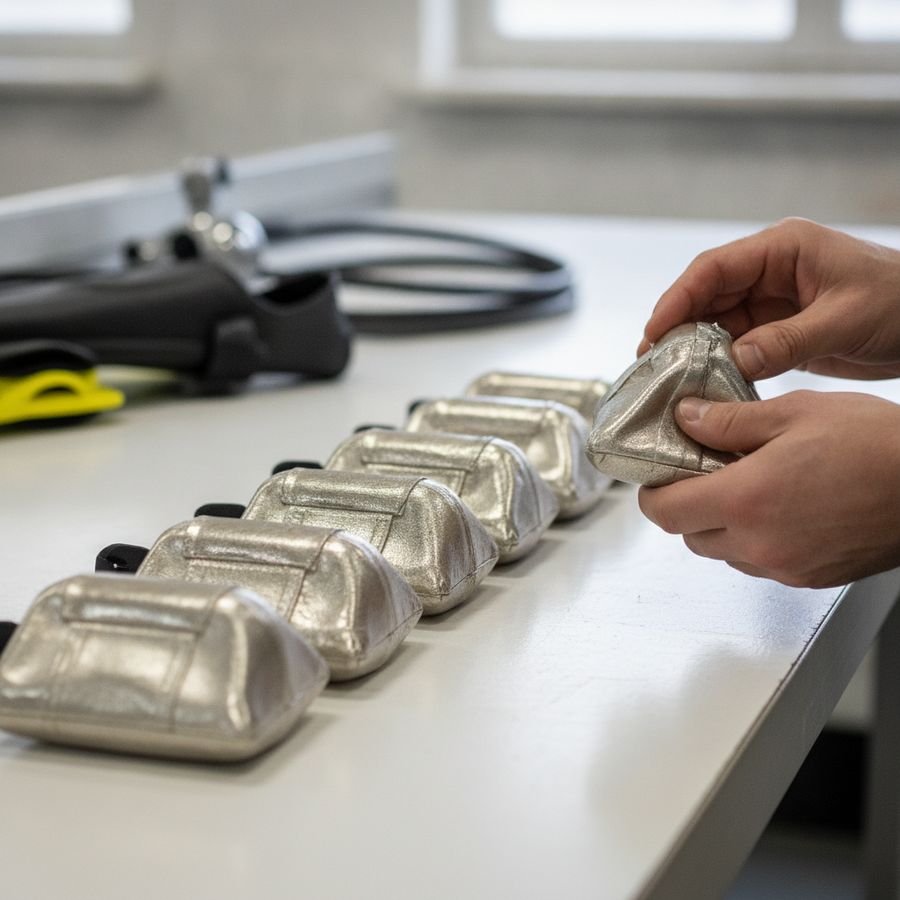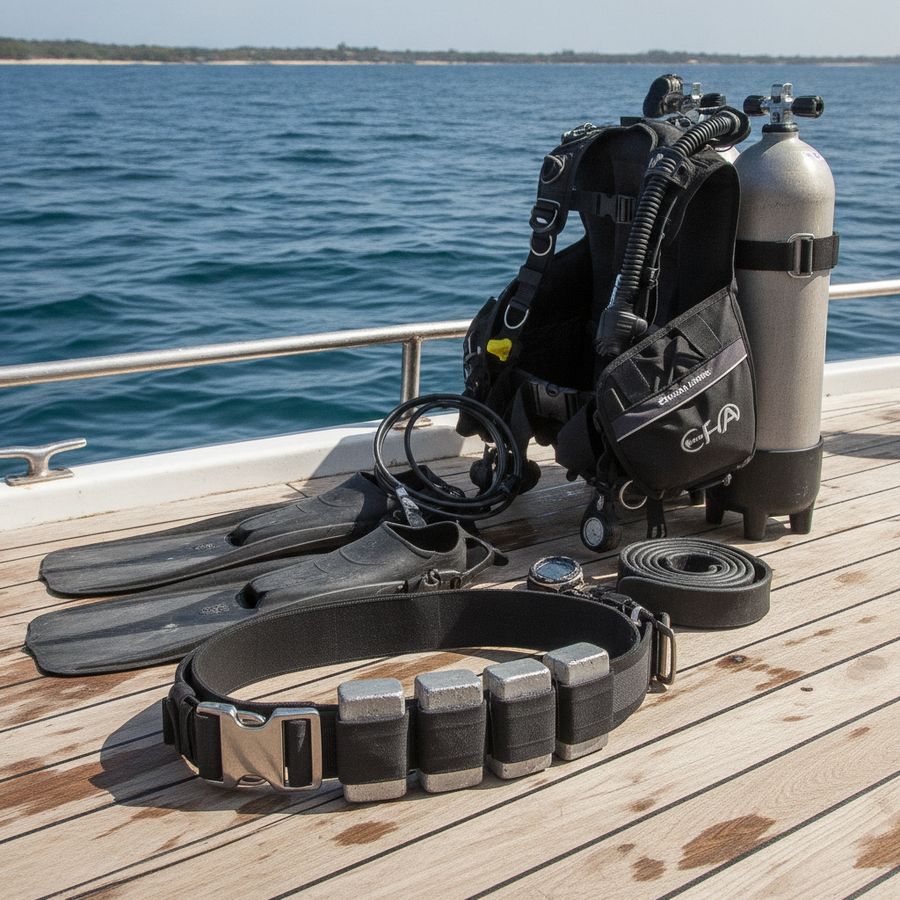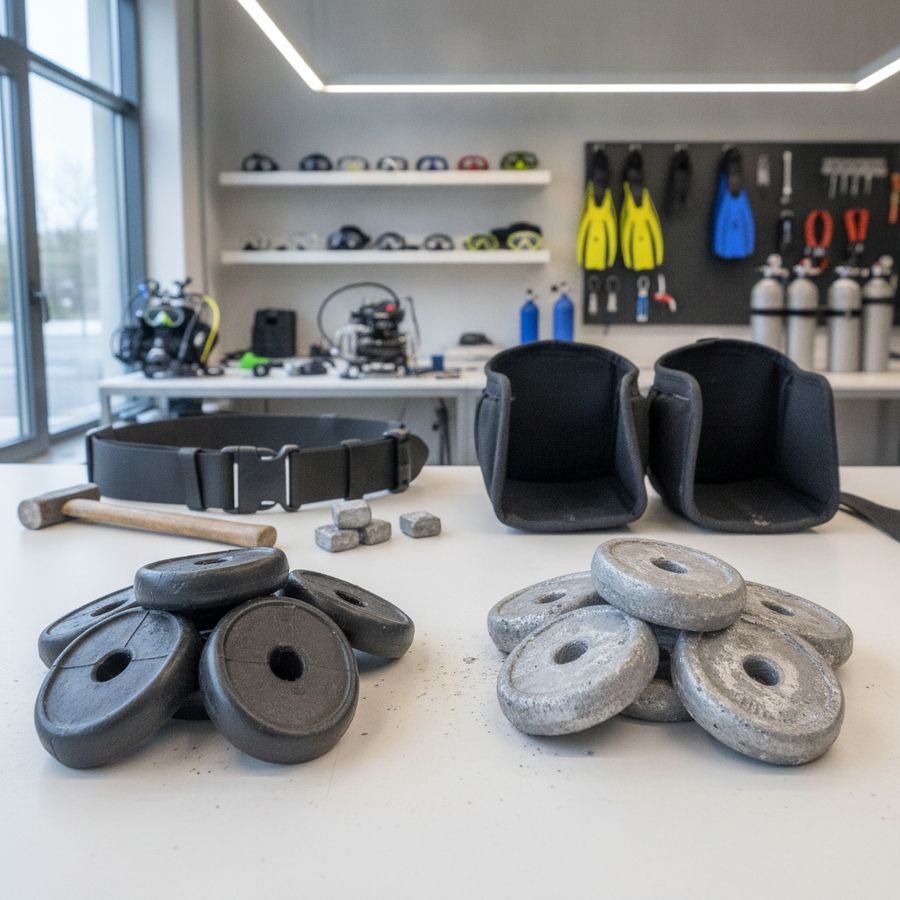
Dead stock erodes cash flow and shelf space
For a professional retailer, dead stock inventory is more than an inconvenience. It locks cash into products that are not moving, fills valuable shelving, and makes ordering decisions harder than they need to be. In a category like dive shop inventory, bulky weight products can amplify the problem because each slow-moving SKU takes up disproportionate room compared with masks, fins, or accessories.
When too many belts, blocks, or soft lead pouches sit untouched, the result is weaker stock turnover. That means capital is tied up in items that could have been used for faster sellers, service upgrades, or marketing. Over time, a crowded stockroom can also create the illusion of abundance while hiding gaps in the sizes and formats customers actually request.
Inventory should support sales velocity, not become a warehouse of old assumptions
For dive retailers, the smartest approach is to separate essential core lines from speculative purchases. Keep proven bestsellers available, but avoid overcommitting to rarely requested weight combinations. A leaner product mix improves visibility, helps staff pick orders faster, and keeps the store looking professional rather than overstocked. In practical terms, reducing dead stock is one of the quickest ways to improve cash flow without increasing sales volume.
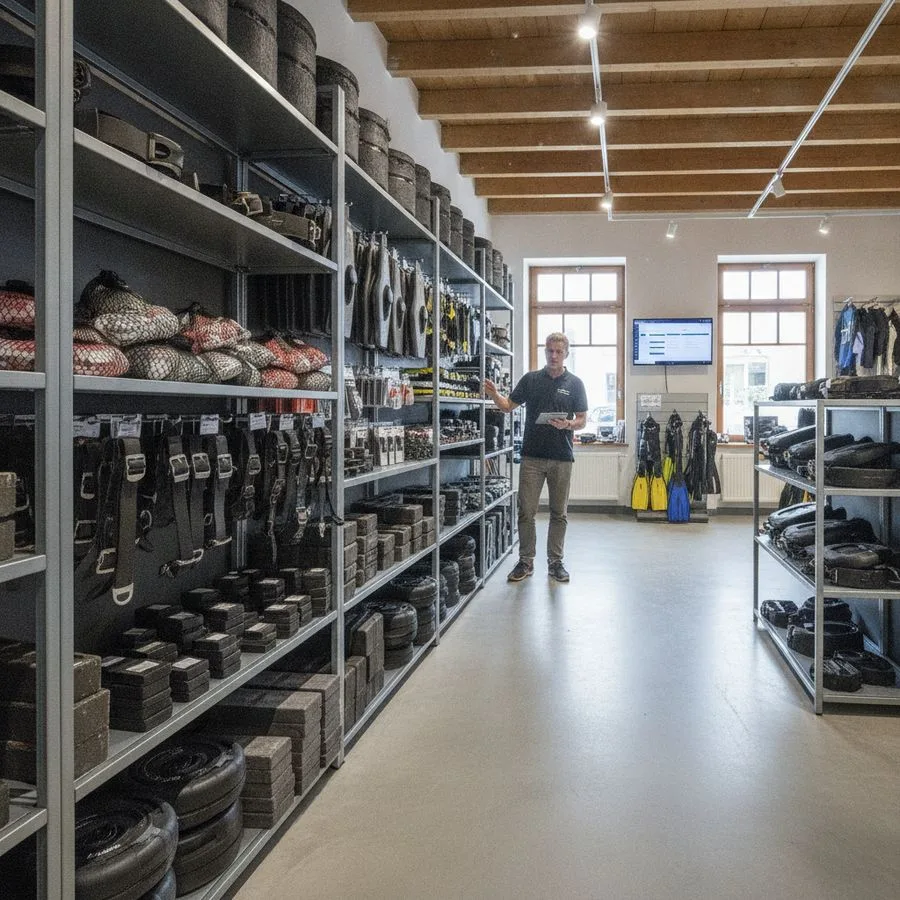
How Often Should Dive Shops Review Stock?
A regular review cycle is essential if you want better stock turnover and fewer surprises. For most dive shops, a monthly review works well for the full category, while fast-moving or high-value weight items should be checked weekly. This rhythm helps managers respond before overstock becomes a burden and before popular products run out during busy periods.
The right review frequency depends on how your business sells weights. A dive center with rental operations may see demand patterns very different from a retail-led store or a training-focused shop. Looking only once per quarter is usually too slow, especially when seasonal demand, training calendars, and local tourism can shift quickly.
A useful stock review should cover more than units on hand. It should answer a few practical questions:
Which SKUs sold consistently in the last 30, 60, and 90 days?
Which items have not moved at all?
Which weights are being restocked too late?
Which product types are taking up space without supporting revenue?
Restocking weights becomes far easier when those checks happen on a schedule. A disciplined review process turns inventory management from guesswork into a repeatable habit, helping dive shops stay ready for customer demand without building unnecessary stock piles.
What Signals a Weight SKU Is Overbought?
An overbought SKU usually sends warning signs long before it becomes true dead stock inventory. In a dive retail setting, the first clue is simple: the product remains on the shelf through several review cycles while comparable items continue moving. If one weight size or configuration is consistently untouched, demand may have been overestimated.
Another signal is a mismatch between sales frequency and reorder quantity. If a shop sells only a few units per month but keeps buying in large batches, the inventory level is out of balance. This is especially common with specialized belt setups, uncommon block sizes, or products bought because they seemed economical in bulk.
Low movement plus repeated replenishment is a clear warning that purchasing habits need to change
Retailers should also watch for these indicators:
More than 90 days of cover for non-core SKUs
Items collecting dust while core lines sell out
Discounting needed just to create shelf space
Staff avoiding reorders because the back room is already full
Overbought weight SKUs reduce overall stock turnover and distort purchasing decisions. The fix is not always to drop the item entirely. Sometimes the better move is to keep one display sample, reduce on-hand quantity, and shift to smaller, faster replenishment. That preserves choice for customers without letting one slow product dominate your dive shop inventory.
Fast replenishment reduces the need for bulk holding
Many dive retailers carry too much stock because they fear running out. But when a supplier offers quick dispatch, no minimum orders, and reliable communication, the logic of bulk holding changes. Instead of filling the stockroom with months of supply, a shop can order closer to real demand and still remain service-ready.
This is especially relevant for heavy products such as lead blocks, soft lead, and belts. These items consume space quickly, and excess inventory can become expensive to store and manage. A fast replenishment model supports leaner dive shop inventory by allowing retailers to treat their supplier almost like an external warehouse.
For example, a supplier that ships within 24 to 48 hours and accepts small top-up orders helps reduce the pressure to buy for every possible scenario. That improves cash flow while lowering the risk of dead stock inventory. It also makes restocking weights more precise, because orders can follow actual customer demand rather than rough seasonal guesses.
In-house production adds another advantage: consistency. When a partner controls quality and output directly, retailers gain confidence that repeat orders will match the original product. In practice, fast replenishment is not just a logistics benefit. It is a strategy for better stock turnover, cleaner shelves, and more flexible buying decisions.
Seasonality changes demand for belts and blocks
Seasonal demand has a major effect on dive weights, even when it is not immediately obvious. During peak travel months, training programs, resort traffic, and boat diving activity can drive faster movement in core belt and block options. In quieter periods, those same products may slow sharply, leaving retailers with excess stock if purchasing has not been adjusted.
The key is to forecast by use case rather than by total category alone. Weight belts for entry-level students may peak before certification season, while specific blocks or soft lead options may move more during technical training, guided trips, or destination-focused retail periods. Not every SKU follows the same calendar.
A practical seasonal plan often includes:
Building moderate stock before known training peaks
Reducing niche purchases late in the season
Separating rental demand from retail demand
Reviewing last year’s monthly sales before placing large orders
Seasonal buying works best when it is based on patterns, not optimism
For professional stores, that means balancing availability with restraint. Carry enough of the proven sellers to avoid missed sales, but do not let preseason enthusiasm create long-term dead stock inventory. Shops that align purchasing with seasonal demand typically see stronger stock turnover and a healthier mix of belts, blocks, and specialty weights throughout the year.
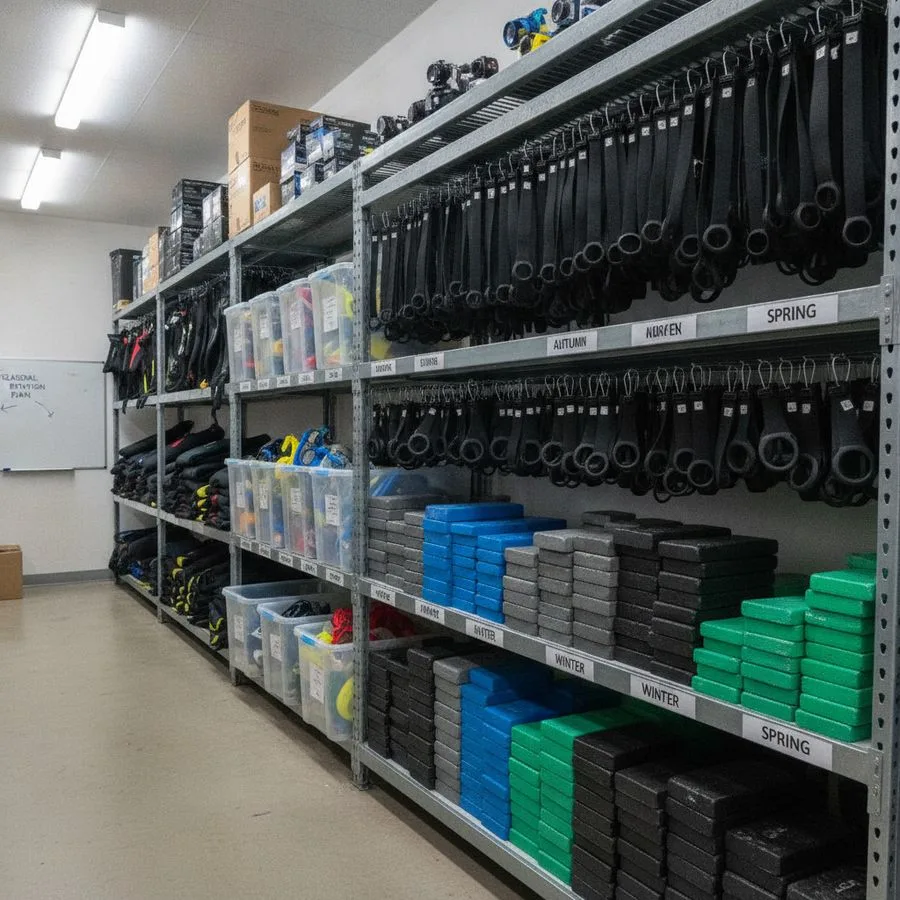
Which Restocking Rules Improve Stock Turnover?
The best restocking rules are simple enough for staff to follow and strict enough to prevent overbuying. In most cases, dive shops improve stock turnover when they reorder based on minimum stock thresholds, recent sales velocity, and lead time from the supplier. That creates a system where inventory responds to demand instead of guesswork.
One effective rule is to define products in three groups: core, seasonal, and niche. Core items should be replenished quickly because they sell consistently. Seasonal products should be reviewed more often during peak periods and trimmed aggressively once demand slows. Niche products should have tight reorder limits, especially if they are bulky or expensive.
Helpful rules for restocking weights include:
Set a minimum and maximum level for each SKU
Reorder only when stock drops below the minimum
Use smaller top-up orders for slow movers
Pause replenishment on items with no sales in 60 to 90 days
Dead stock inventory usually appears when exceptions become the norm. A staff member adds “just a few extra,” a seasonal line is never reset, or an old purchasing habit continues unchecked. Clear rules reduce those mistakes. They also make planning easier, especially when supplier lead times are short and reliable, allowing leaner on-hand quantities without raising out-of-stock risk.
A lean inventory model for professional retailers
A lean inventory model does not mean carrying too little stock. It means carrying the right stock in the right quantities, with fast access to replenishment when needed. For professional dive retailers, this model supports stronger cash flow, better shelf presentation, and more confident purchasing decisions across belts, blocks, and specialty lead products.
The foundation is simple: identify your fast movers, minimize speculative buys, regularly review sales data, and collaborate with suppliers who can respond swiftly. This strategy helps limit dead stock inventory while ensuring core customer needs are met. It’s particularly effective in weight categories, where items tend to be heavy, take up space, and often rotate slower than lighter accessories.
A lean dive shop inventory model generally includes a few key priorities:
Keep depth in proven sellers, not across every variation
Use small and frequent replenishment where feasible
Track seasonal demand separately from year-round demand
Decisively remove or reduce underperforming SKUs
Lean inventory is not about scarcity; it is about control
When retailers follow that principle, stock turnover improves naturally. More cash stays available, storage works harder, and restocking weights becomes a strategic process instead of a reaction. For specialist dive shops, that creates a cleaner, more profitable business with less dead weight sitting in the back room.
FAQs
How often should dive shops review stock for weight products?
A monthly review is usually suitable for the full weight category, while fast-moving or high-value SKUs should be checked weekly. This helps retailers catch overstock and stockouts before they affect cash flow or customer service.
What are the signs that a weight SKU is overbought?
Common signals include no sales across multiple review cycles, more than 90 days of cover for non-core SKUs, repeated reorders despite low sales, and discounting just to free shelf space. These patterns suggest demand was overestimated or buying habits need adjustment.
Why does dead stock inventory hurt dive shop profitability?
Dead stock ties up cash in products that are not selling, occupies shelf and stockroom space, and makes purchasing decisions less accurate. In dive shops, bulky items like belts, blocks, and lead pouches can magnify the problem because they consume disproportionate storage space.
How does fast replenishment improve stock turnover?
Fast replenishment lets shops place smaller, more frequent orders based on actual demand instead of holding months of supply. That lowers the risk of dead stock inventory, improves cash flow, and keeps core products available without overloading storage areas.
What restocking rules help reduce dead stock in dive shop inventory?
Useful rules include setting minimum and maximum stock levels by SKU, reordering only when stock falls below the minimum, using smaller top-up orders for slow movers, and pausing replenishment on items with no sales in 60 to 90 days. Grouping products into core, seasonal, and niche lines also makes buying decisions more consistent.