Body position changes with exposure and cylinders
Diving trim is never fixed, because body position changes as equipment changes. A diver in a thin wetsuit with a single aluminum cylinder often feels very different in the water from the same diver wearing a drysuit and heavier steel cylinders. Exposure protection adds buoyancy, especially around the torso and legs, while cylinder material and gas volume can shift the center of gravity up, down, or toward the back.
That is why good weight distribution matters more than simply adding lead until a buoyancy check works. If the ballast is too low, the diver may become foot-heavy. If it is too high or too far forward, the chest and shoulders may drop, making finning less efficient and increasing drag.
Small equipment changes can create noticeable trim differences:
Thicker suits often require more total ballast
Steel cylinders usually move balance differently than aluminum ones
Twin cylinders can stabilize the torso more than a single tank
Stage or bailout bottles may pull the body off-axis if not managed well
Proper trim starts when buoyancy, body position, and ballast work together instead of fighting each other
For both recreational diving and more advanced setups, the goal is the same: stay stable, horizontal, and relaxed with the least effort possible.

How does trim differ for tech diving?
In technical configurations, trim becomes more demanding because the diver carries more equipment and has more in-water tasks. A single-cylinder recreational setup can often tolerate minor imbalance, but tech diving ballast has to support precise positioning during long bottom times, decompression stops, valve drills, and gas switches. Even a slight tendency to roll or tilt becomes noticeable when multiple cylinders are involved.
Technical divers usually aim for a flatter, more controlled platform. Twinsets, backplates, canister lights, stage bottles, and drysuits all affect the relationship between buoyancy and mass. Because gas is used from different cylinders over time, balance may also shift during the dive. That means trim is not only about the starting setup, but about how the system behaves throughout the entire profile.
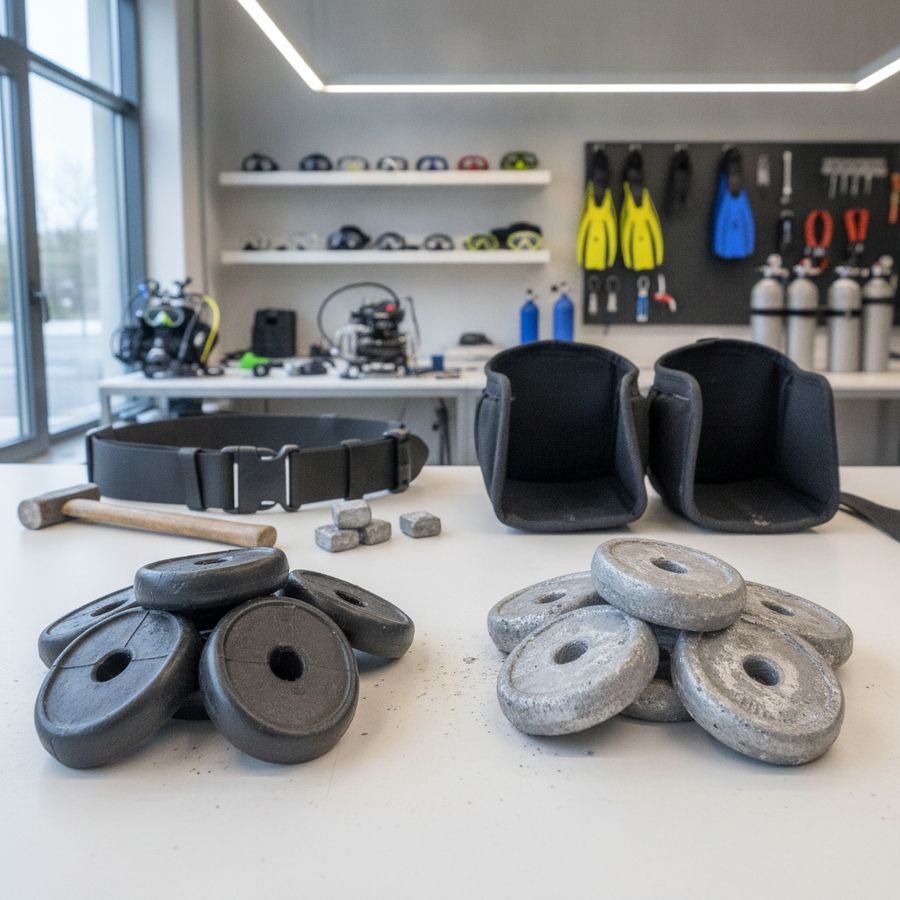
Diving trim in technical diving often depends on careful ballast placement rather than extra ballast amount. Divers may move weight into trim pockets, V-weights, tail weights, or backplate positions to correct a persistent head-up or feet-up attitude.
In tech diving, good trim is not cosmetic; it is part of control, efficiency, and safety
The better the trim, the easier it is to hold stops, protect silty environments, and reduce workload when task loading increases. That is why technical divers usually spend more time fine-tuning than recreational divers do.
What weight distribution improves recreational control?
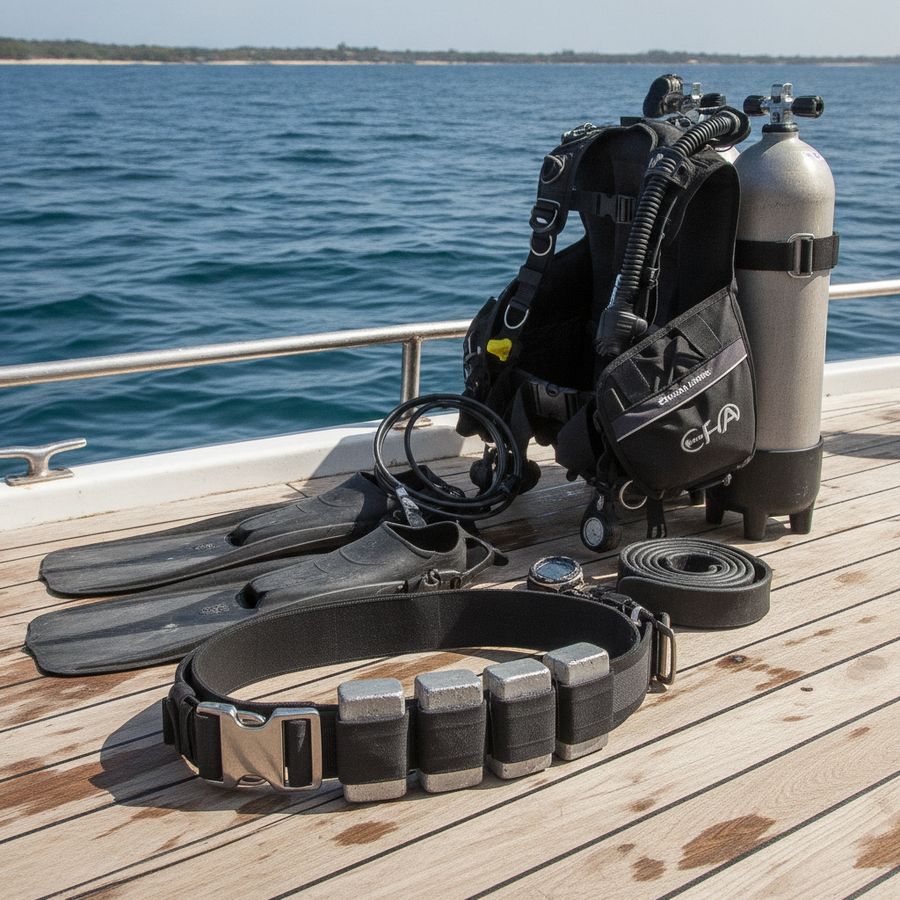
For many recreational divers, better control comes from spreading ballast sensibly rather than concentrating it all on a belt. Traditional belts still work well, but loading every kilogram around the waist can create instability, discomfort, and a tendency to rotate out of a neutral swimming posture. Smarter weight distribution helps the diver stay level and reduces the need for constant fin correction.
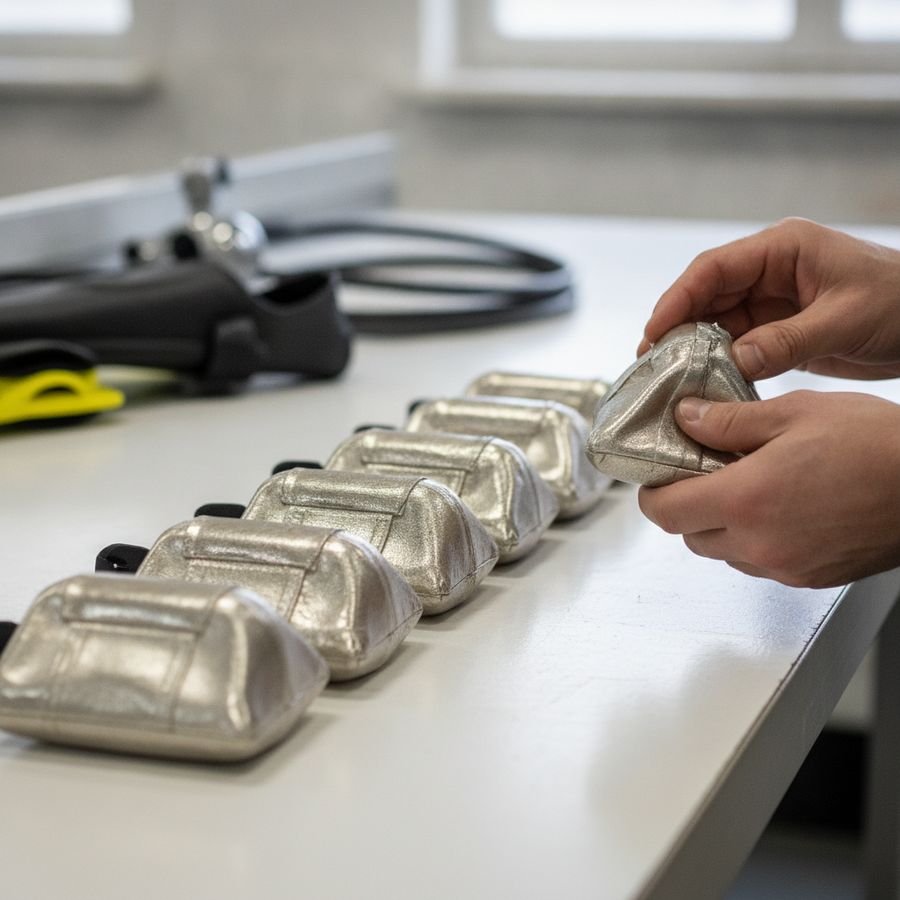
A practical starting point is to keep most ballast close to the body’s center while using small trim adjustments only where needed. Integrated pockets, camband trim pouches, and compact soft lead can help divers correct body angle without overcomplicating the setup. The aim is controlled neutral buoyancy with a calm, horizontal position, not simply a successful descent.
Recreational divers often improve control by focusing on these basics:
Use only the amount of ballast required for a proper weight check
Place the majority of lead where it does not swing or shift
Add small upper-tank or rear trim weights if the legs float high
Avoid solving every issue by adding more weight to the belt
Recreational diving becomes more enjoyable when the diver feels balanced instead of heavy. Better trim improves comfort, photography, air consumption, and confidence, especially for newer divers still developing buoyancy awareness.
Cylinder choice shifts ballast placement and stability
Cylinder choice has a major effect on stability because different tanks change both buoyancy characteristics and mass distribution. An aluminum cylinder becomes significantly more positive as gas is used, while a steel cylinder usually remains more negative and keeps weight closer to the diver’s back. That single difference can change whether a diver finishes a dive stable and flat or fighting a floaty tail section.
With aluminum singles, some divers need ballast moved upward or toward the tank bands to stop the hips and legs from rising late in the dive. Steel singles may reduce that need, but they can also make the overall rig feel heavier and lower in the water. Twin steel cylinders in technical setups typically create a more planted platform, although final trim still depends on suit choice, undergarments, and accessory placement.
Ballast placement should always respond to the cylinder being used:
Aluminum cylinders may require trim weight higher on the rig
Steel cylinders can reduce total ballast needs
Larger cylinders may alter shoulder and back loading
Multiple cylinders increase stability but also raise setup complexity
The best ballast solution is rarely universal; it is specific to the tank, suit, and diver using it
Understanding this relationship helps divers make better decisions about diving trim instead of guessing after every equipment change.
Horizontal trim reduces drag and gas consumption
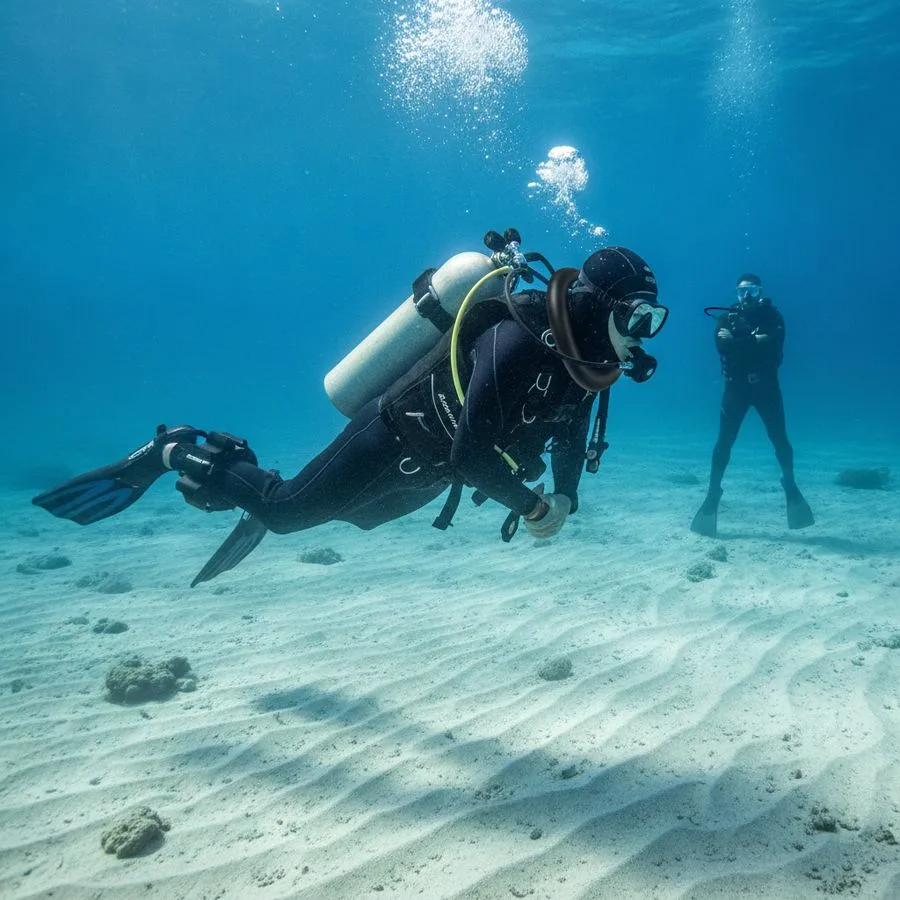
A horizontal body position is one of the simplest ways to dive more efficiently. When the torso, hips, and legs stay aligned, the diver presents less surface area to the water. That means lower drag, smoother movement, and less wasted effort from the fins. In practical terms, improved diving trim often leads to reduced gas use and a more relaxed dive.
Poor trim creates resistance in several ways. A head-up posture pushes water against the chest and thighs, while dropped knees increase frontal area and disturb propulsion. Divers then compensate by kicking harder, sculling with the hands, or adding air repeatedly to the BCD. All of that increases workload and gas consumption, especially in current or during long swims.
Good trim supports efficiency because it helps the diver:
Glide farther with each fin stroke
Maintain buoyancy with fewer corrections
Protect the bottom from fin wash and silt
Reduce strain on the lower back and ankles
Weight distribution plays a central role here. If ballast is placed so the diver naturally settles into a flat position, propulsion becomes cleaner and easier to sustain. This matters in both recreational diving and technical profiles where energy conservation is part of safe dive planning.
Less drag means less effort, and less effort usually means lower gas consumption
Why do ankle and neck weights change balance?
Ankle weights and neck weights change balance because they move ballast away from the body’s center. Even when the total weight added is small, the effect on rotation in the water can be dramatic. A little mass at the ankles can counter floaty feet in a drysuit, while a neck weight can help offset buoyancy near the hips or lower torso during hands-free hovering.
These tools can be useful, but they should be applied carefully. Ankle weights may solve a real trim issue, yet they can also increase leg fatigue, worsen frog kick mechanics, and mask problems caused by poor suit gas management or incorrect cylinder position. Neck weights are common in some disciplines, but if overused they may create discomfort or an awkward top-heavy feeling at the surface.
Before adding specialized ballast, divers should evaluate:
Whether the total lead amount is already correct
If the tank is mounted too high or too low
Whether suit buoyancy is trapped in the legs or shoulders
If a smaller trim adjustment elsewhere would work better
Specialized weights should fine-tune balance, not compensate for a poorly built system
Used correctly, these options can improve weight distribution. Used casually, they may hide the real cause of instability and make propulsion less efficient.
Fine-tuning Ballast for Propulsion and Task Loading
Fine-tuning ballast is the crucial final step that transforms a functional setup into an efficient one. Once the total lead is accurate, minor adjustments in placement can enhance propulsion, stability, and comfort during stress. This is particularly critical when a diver incorporates cameras, reels, DSMBs, stage bottles, or other tasks that elevate workload underwater.
The process should be systematic. Change only one variable at a time and evaluate the outcome during a calm dive. Adjust a small amount of weight higher, lower, forward, or back, and observe how it impacts hovering, turns, ascent posture, and finning efficiency. Good tech diving ballast and recreational setups are refined through repeatable testing rather than guesswork.
A straightforward tuning approach often includes:
Confirming correct total ballast at the end of the dive
Checking if the body rests flat without hand sculling
Observing whether kicks propel movement forward instead of upward
Testing trim while carrying standard accessories and gas loads
Well-balanced divers handle tasks with less stress because their bodies remain stable while their minds focus elsewhere. Whether aiming for improved propulsion in recreational diving or cleaner control in technical training, refined weight distribution fosters safer, calmer performance.
The most effective ballast is the one you stop noticing once the dive begins.
FAQs
Why does diving trim change when I switch suits or cylinders?
Trim changes because exposure protection, cylinder material, and gas volume alter both buoyancy and mass distribution. A thicker suit adds buoyancy, while aluminum and steel cylinders shift balance differently as gas is used during the dive.
How is weight distribution different from total ballast?
Total ballast is the amount of lead needed to pass a proper weight check, while weight distribution is where that lead is placed on the body or rig. A diver can have the correct amount of weight and still have poor trim if the ballast is positioned badly.
What improves recreational diving control the most?
Most recreational divers improve control by using only the ballast they truly need, keeping most of it stable near the body’s center, and making only small trim corrections. This helps maintain a flat, relaxed posture without constant finning or hand sculling.
Why is trim more critical in technical diving?
Technical diving adds twinsets, stages, drysuits, lights, and longer task-loaded profiles, so even small imbalances become obvious. Good trim supports valve drills, gas switches, decompression stops, and overall control as gas is consumed from different cylinders.
Are ankle weights or neck weights a good fix for trim problems?
They can help in specific cases, but they should be used only after checking total ballast, tank position, and suit gas management. Specialized weights are best for fine-tuning, not for covering up a poorly balanced system.