How do coated and uncoated weights differ?
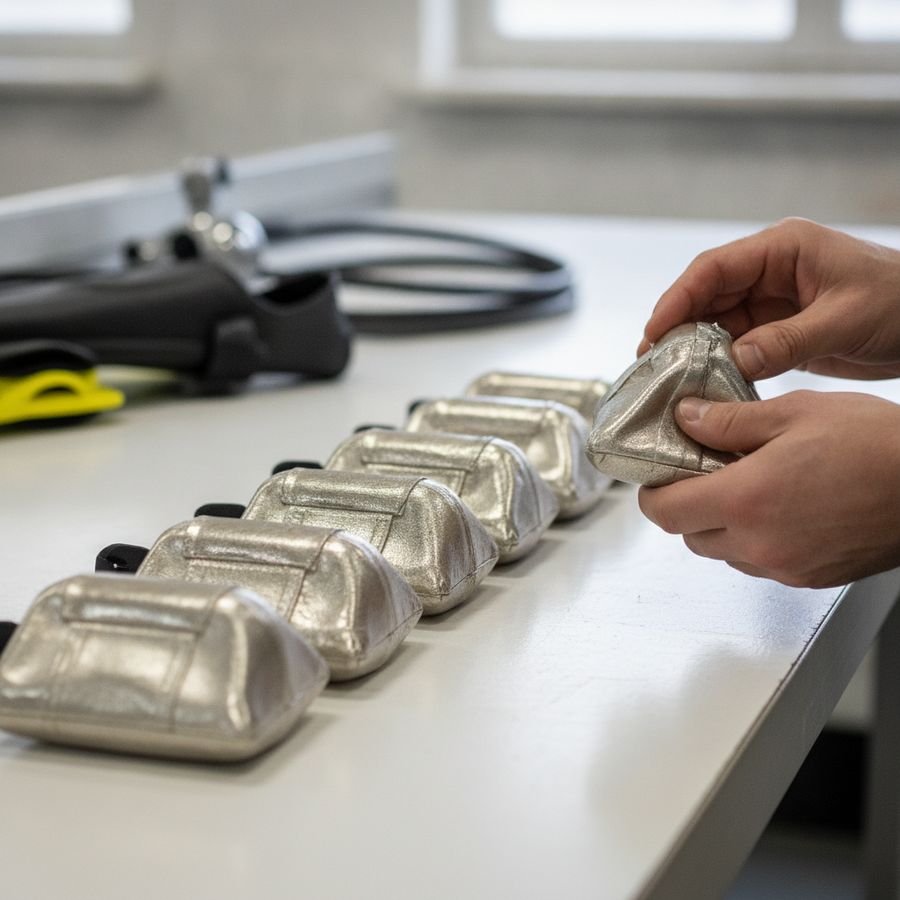
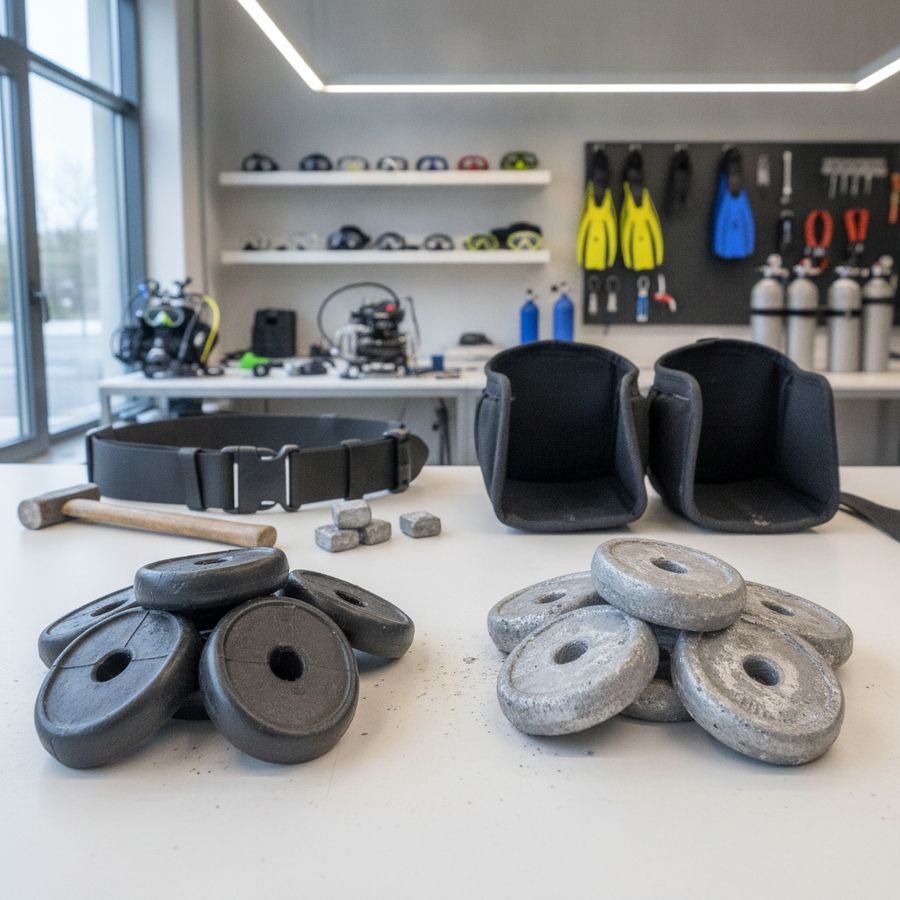
In the simplest terms, the coated vs uncoated decision comes down to surface protection, handling, and how the weight behaves over time in a professional diving environment. Uncoated lead weights expose the raw metal directly to hands, belts, BCD pockets, benches, and deck surfaces. Coated dive weights add a protective outer layer that separates the lead from constant impact, abrasion, and moisture.
That difference affects everyday use more than many buyers expect. A quality coating can reduce marking on rental gear, limit scuffing on ladders and ribs, and help prevent the white oxidation residue often associated with bare lead. Uncoated weights still remain functional and dense, but they usually show wear sooner and can create a dirtier handling experience in high-turnover operations.
For professional operators, the real issue is not whether a weight sinks well. It is how cleanly, safely, and consistently it performs after hundreds of handoffs.
From a purchasing perspective, coated dive weights usually cost more upfront, while bare lead is often cheaper initially. However, dive weight lifespan depends on the full operating context: saltwater exposure, transport conditions, storage habits, and how often staff and guests handle the weights. That is why the best choice is rarely universal; it depends on the use case.
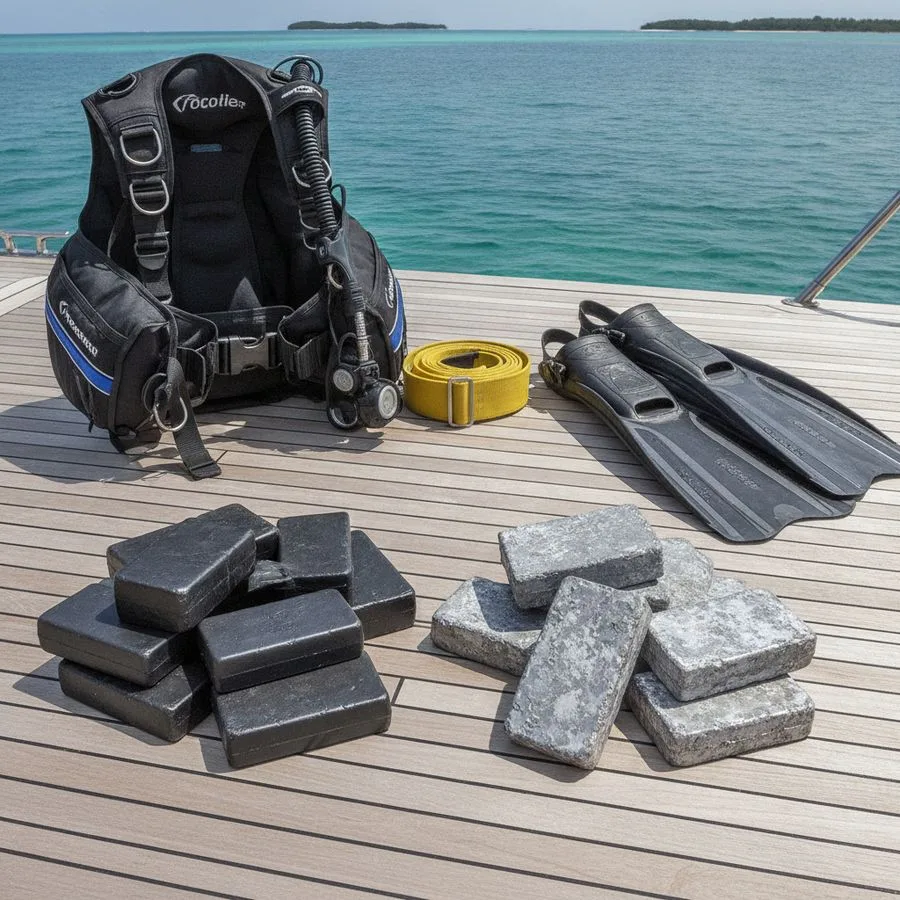
Daily wear patterns in training fleets
Training fleets place unusual stress on weighting systems because the equipment is handled constantly, often by beginners. In a dive school or resort setting, weights are picked up, dropped, stacked, loaded into crates, slid across decks, and exchanged between multiple divers every day. This repeated contact creates wear patterns that matter just as much as water exposure.
Uncoated lead weights tend to develop polished edges, scratches, dents, and residue on touch points. Instructors may also notice gray transfer marks on weight belts, BCD pockets, benches, and rinse tanks. Over time, those small signs of wear add cleaning work and can make otherwise usable stock look older than it really is.
By comparison, coated dive weights generally age more gracefully in fleet service. The coating acts as a buffer against impact and friction, which helps reduce visible damage during repetitive loading and unloading. This is especially useful in centers running daily courses, discover dives, and guided boat departures.
Frequent drops wear corners first
Stacking causes edge abrasion and chipping
Boat transport creates repeated knocking between weights
Shared gear increases cosmetic wear even when function remains intact
For operations managing rental dive gear, daily wear is not just a cosmetic issue. It influences staff efficiency, customer perception, and how long the inventory remains presentable before replacement becomes necessary.
What shortens the lifespan of dive weights?
The biggest threats to dive weight lifespan are rarely dramatic failures. Instead, service life is usually shortened by a combination of small, repeated stresses: impact, salt residue, poor rinsing, rough storage, and constant contact with hard surfaces. Even high-density lead can lose practical value quickly when the surrounding operating habits are careless.
For uncoated lead weights, the main problems are direct abrasion and oxidation on exposed surfaces. If weights are thrown into bins, left wet between trips, or allowed to rub against buckles and steel fittings, they will show degradation faster. The lead itself remains heavy and usable, but the finish becomes rougher, dirtier, and less appealing for professional presentation.
Coated dive weights can also suffer if the coating is low quality or repeatedly struck on sharp edges. Once a brittle coating cracks, water and wear can begin working underneath the surface. That is why impact resistance matters just as much as the presence of a coating.
Long service life comes from the combination of material quality, protective finish, and disciplined handling routines.
In practice, lifespan is shortened fastest by:
Repeated dropping onto hard decks or concrete
Storing weights wet in closed containers
Saltwater drying on the surface without rinsing
Mixing weights with metal hardware during transport
Choosing low-grade coatings that chip easily
Professional centers that manage these factors well often extend usability significantly, regardless of which weight type they buy.
Oxidation risk in saltwater and storage
Saltwater is one of the clearest dividing lines in the coated vs uncoated discussion. Lead is valued in marine applications for its density and general corrosion resistance, but that does not mean bare surfaces stay visually unchanged. In dive operations, uncoated lead weights can develop oxidation residue over time, especially when exposed to repeated wet-dry cycles and poorly ventilated storage.
The risk increases when weights are used in seawater, rinsed inconsistently, and then stacked while still damp. Salt crystals and trapped moisture accelerate surface dulling and the formation of chalky residue. This does not always make the weight unusable, but it can create mess, more cleaning work, and less pleasant handling for staff and customers.
Coated dive weights offer a practical barrier between salt exposure and the lead surface. A durable coating helps reduce oxidation contact, keeps the inventory looking cleaner, and limits residue transfer to hands, neoprene, shelves, and bins. That is particularly valuable for centers storing weights indoors near other premium equipment.
Good storage habits still matter:
Rinse after saltwater use
Dry before stacking tightly
Separate weights from damp textiles
Inspect surfaces during routine turnover
For saltwater businesses, oxidation control is not only about chemistry. It is about maintaining a professional, hygienic gear room that supports longer-term dive weight lifespan.
When coating protects gear and boat decks
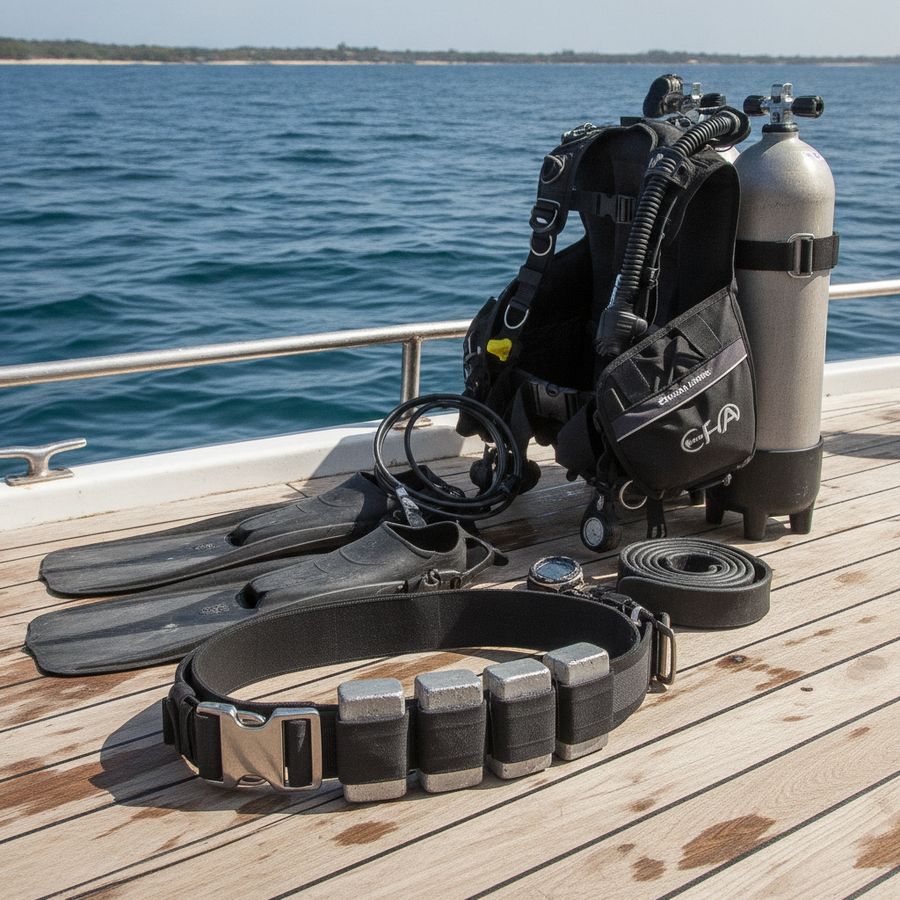
The benefit of coating becomes most visible when dive weights come into contact with everything around them. On boats, weights are rarely isolated objects. They rest against deck paint, bump into tank racks, knock against ladders, slide across benches, and press into soft gear bags. In these situations, coated dive weights do more than protect themselves; they help protect the operator’s wider equipment investment.
A resilient coating softens the effect of repeated contact and reduces sharp metal-on-surface impact. That can mean fewer black or gray marks on fiberglass, less abrasion on BCD pockets, and less wear on rubberized deck finishes. For centers running premium boats or maintaining polished training spaces, that difference adds up over a season.
Coating is often justified not by the weight alone, but by the value of everything the weight touches each day.
This matters especially in operations where divers move quickly and gear is handled by many different people. Beginners may set weights down heavily, while crew members may stack units fast during turnarounds. A high-quality, impact-resistant coating helps absorb those daily mistakes better than raw lead or fragile plasticized finishes.
In short, coating makes the most sense when weights regularly interact with:
Painted or fiberglass boat decks
Rental BCD pockets and weight harnesses
Benches, shelves, and storage crates
Premium guest gear that should stay cleaner
That protective role is a major reason many professional fleets upgrade from bare lead.
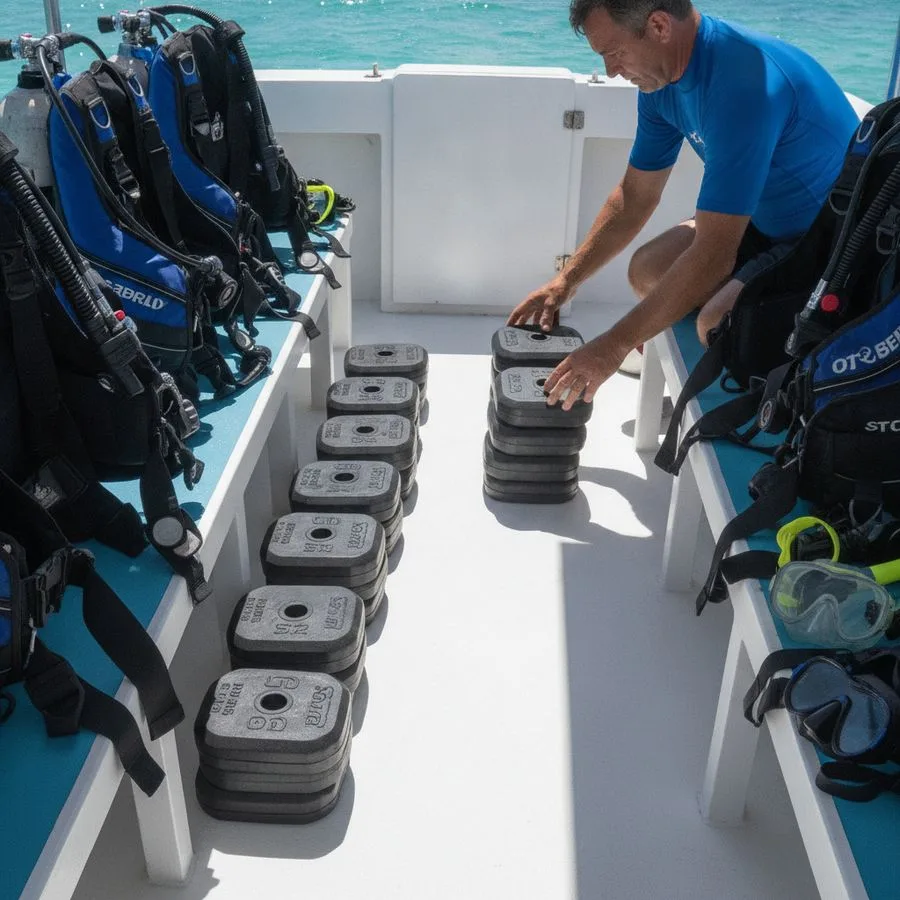
Which weight type suits rental operations?
For most rental businesses, the right answer depends on whether the priority is lowest purchase cost or lowest operational friction. Uncoated lead weights can suit budget-focused programs, backup stock, inland training sites, or low-frequency use where appearance and handling cleanliness matter less. They remain a functional choice when staff can monitor maintenance closely and storage conditions are controlled.
However, many busy schools and resorts find that coated dive weights are the better long-term fit for rental dive gear. The cleaner surface, lower residue transfer, and better protection for surrounding equipment often reduce hidden costs. Staff spend less time wiping dust or marks, guests handle a more presentable product, and fleet inventory keeps a professional appearance longer.
Rental operations should weigh these factors before choosing:
Freshwater or saltwater environment
Daily diver volume and staff workload
Boat use versus shore diving
Need to protect premium BCDs and decks
Replacement budget versus cleaning time
Coated vs uncoated is therefore not just a materials question; it is a business model question. High-turnover centers, especially those in saltwater, usually gain more value from coating. Lower-volume operators may still do well with bare lead if their workflow is gentler and their customers are less equipment-intensive.
The more intensive the rental cycle, the more coating tends to make financial and practical sense.
Replacement timing for professional dive centers
Professional dive centers should proactively plan for weight replacement instead of waiting until they become unusable. In fleet management, timing for replacements is crucial for safety, presentation, and maintaining consistency across the inventory. A weight might still function but should be retired if it leaves residue, damages other equipment, or no longer meets the center’s service standards.
For uncoated lead weights, replacement is often prompted by excessive surface wear, oxidation residue, rough edges, or an unappealing appearance in front of guests. In the case of coated dive weights, the key warning signs include deep cuts, peeling, exposed lead, or coatings that have hardened, cracked, or lost their protective function.
A practical inspection routine can include:
Checking for sharp or deformed edges
Looking for coating splits or exposed lead
Assessing residue transfer to hands and gear
Reviewing whether weights are damaging decks or pockets
Tracking how often individual sizes need repair or removal
Replacement cycles can vary widely, but heavy-use saltwater centers should frequently review their stock during the season. Busy schools and charter fleets often benefit from phased replacements rather than waiting for a complete inventory failure.
The smartest replacement strategy is proactive: retire the units that create friction first, and keep the rest in rotation under inspection.
This approach enhances safety, keeps rental dive gear looking professional, and supports a longer average dive weight lifespan across the full fleet. For more insights, check out Van Krimpen.
FAQs
What is the main difference between coated and uncoated dive weights?
The main difference is surface protection. Uncoated dive weights expose raw lead, while coated dive weights add a protective layer that can reduce residue transfer, cosmetic wear, and impact damage to nearby gear and boat surfaces.
Are coated dive weights better for rental operations?
Often yes, especially in busy rental fleets. Coated dive weights usually stay cleaner-looking, leave less residue on hands and gear, and help protect BCD pockets, benches, storage bins, and boat decks from repeated contact.
Do uncoated lead weights last less time?
Not always in terms of basic function, because the lead still remains usable as ballast. However, uncoated weights often show wear, oxidation residue, scratches, and rough edges sooner, which can shorten their practical service life in professional fleets.
How does saltwater affect dive weight lifespan?
Saltwater increases the risk of surface dulling and oxidation residue, especially when weights are not rinsed and dried properly. Wet-dry cycles, poor ventilation, and stacking damp weights can make both appearance and handling quality decline faster.
When should a dive center replace dive weights?
A dive center should replace weights when they begin creating operational problems, not only when they stop functioning. Signs include exposed lead, peeling or cracked coating, rough or deformed edges, heavy residue transfer, and repeated damage to gear or deck surfaces.