Clean surfaces reduce mess across shared gear
In schools, dive boats, and busy rental operations, equipment passes through many hands in a single day. That makes cleaner, better-finished weight systems more than a cosmetic choice. When dive weights shed residue, leave dark marks, or develop visible oxidation, they can quickly spread mess across BCD pockets, boat decks, wetsuits, benches, and storage bins. For teams managing shared inventory, that extra cleanup creates avoidable work and can make otherwise professional operations feel disorganized.
This is where safer weight systems make a practical difference. Well-finished and protected weights help reduce transfer onto hands and surrounding gear, especially in wet, high-use environments. For instructors and rental staff, that means less time wiping down surfaces and fewer complaints from guests who notice dusty residue on gloves, towels, or kit bags. For schools, it also supports a tidier teaching environment where students can focus on skills rather than dirty equipment.
Clean handling matters because shared gear is used repeatedly, often by beginners who are still learning how to carry and position weights correctly. A smoother exterior can also be easier on equipment surfaces during daily issue and return cycles.
Cleaner weights support cleaner operations, and cleaner operations are easier to manage safely at scale.
When evaluating school diving equipment or rental inventories, operators should look beyond kilograms alone. Surface condition, resistance to oxidation, and the ability to keep surrounding gear presentable all contribute to long-term dive weight safety and a better user experience.
What safety checks matter before every dive?
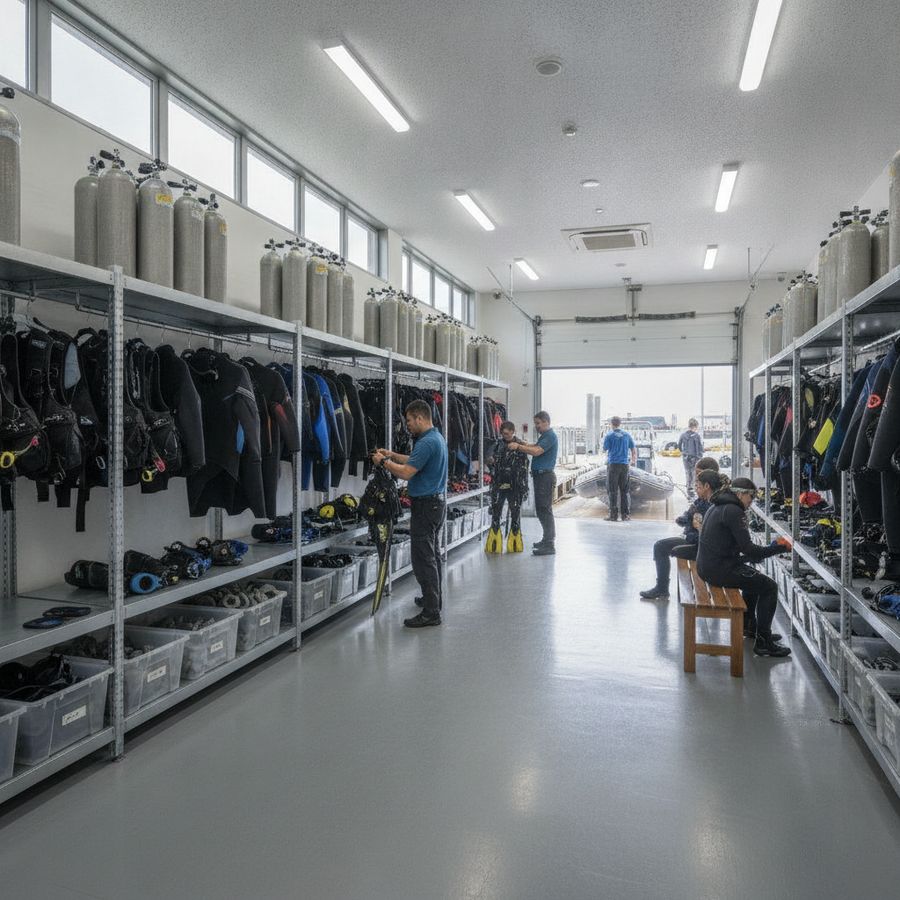
Pre-dive checks should always include the weighting system, especially when gear is shared between students, guests, and staff. Even experienced teams sometimes focus heavily on regulators and cylinders while giving less attention to the condition and setup of the weights themselves. In reality, dive weight safety starts before the diver enters the water, with a fast but disciplined inspection routine.
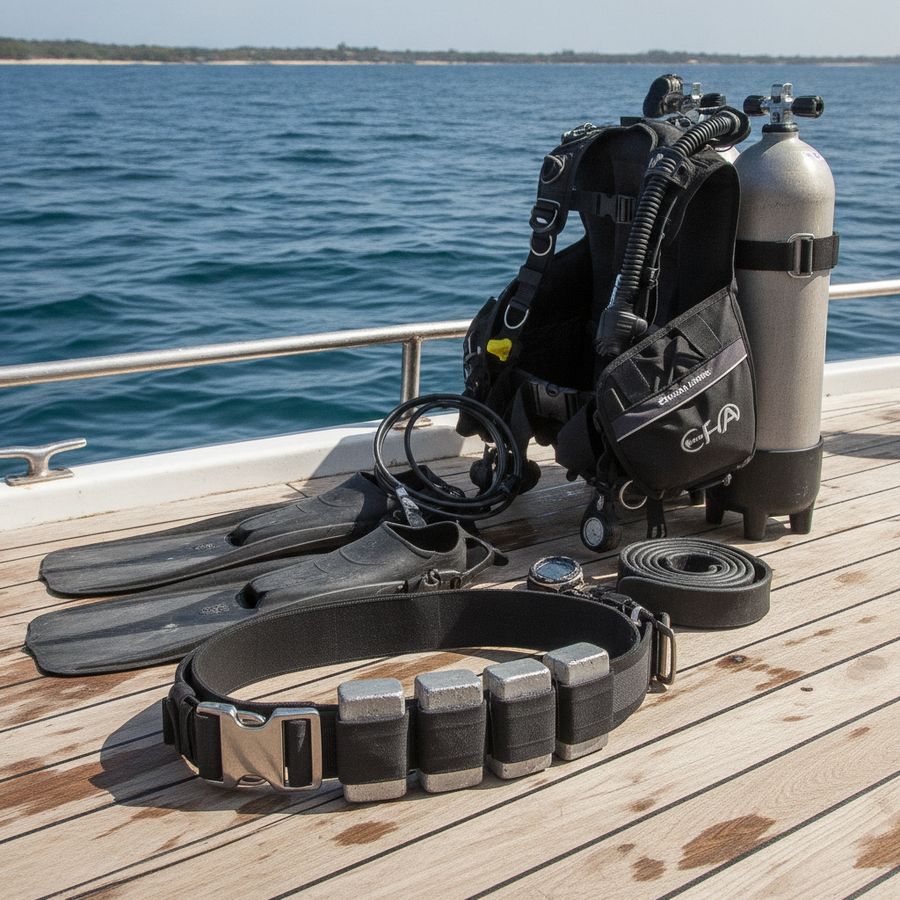
At minimum, staff should confirm that each weight is the correct size, is seated properly, and is compatible with the belt or integrated pocket being used. Coatings should be checked for splits, peeling, or sharp damage, and staff should verify that buckles, closures, and pocket retainers are working smoothly. On boats and in school settings, this is especially important because multiple users may have adjusted or reassembled systems during earlier sessions.
Check for visible cracking, broken edges, or exposed raw material
Confirm belt webbing, buckles, and pocket releases operate correctly
Verify the planned weight amount matches the diver, suit, and cylinder setup
Make sure quick-release access is clear and not obstructed by accessories
Inspect for loose shot, residue, or contamination inside storage bins or pockets
These checks do not take long, but they prevent preventable failures. Instructors should also encourage divers to perform a buoyancy check whenever conditions, exposure protection, or cylinder type changes.
A weight system is only safe when the amount, condition, and release method are all checked together.
For high-turnover programs, standardizing this inspection process is one of the smartest ways to improve rental gear handling and reduce avoidable incidents.
How should weights be stored between sessions?
Proper storage is one of the simplest ways to extend service life and improve day-to-day rental gear handling. Between sessions, weights should be rinsed if needed, allowed to drain, and returned to a dedicated location where staff can quickly assess condition and quantity. Piling weights loosely in corners, damp lockers, or mixed bins may save a minute in the moment, but it often leads to chipped finishes, hard-to-count inventory, and unnecessary handling risks for the next shift.
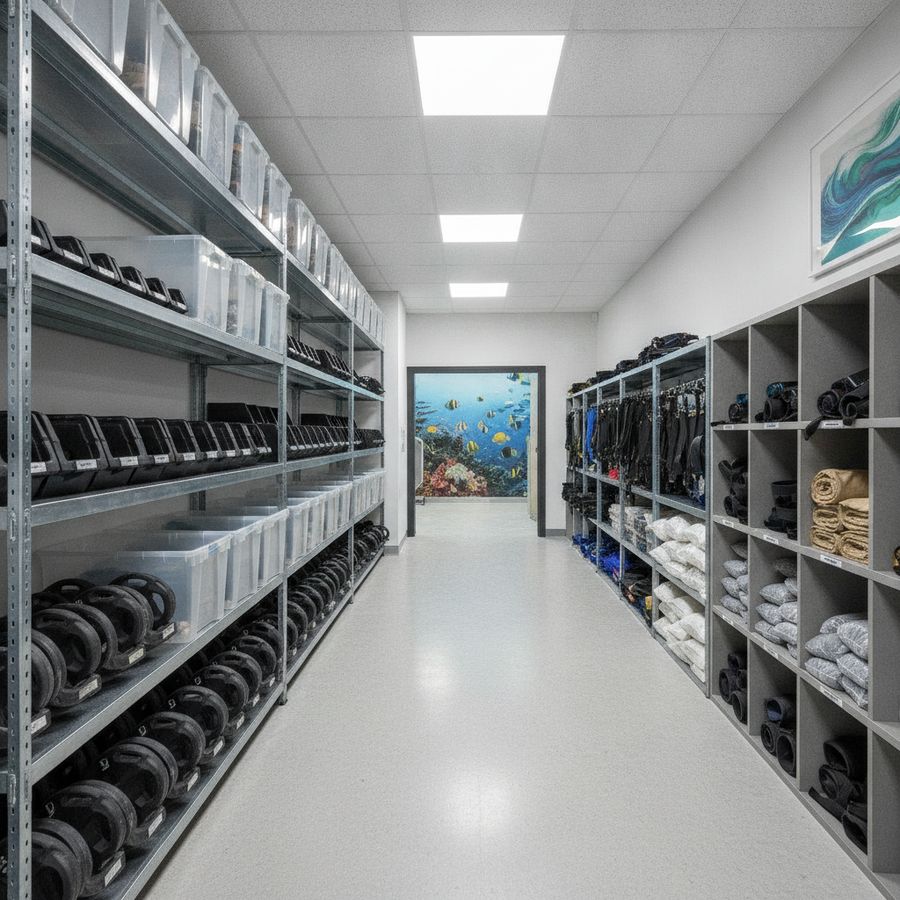
For schools and dive centers, the best approach is a storage system that separates weight types by size and application. Belt weights, integrated weights, soft pouches, and trim weights should each have their own clearly defined place. This reduces setup errors and helps staff issue the right loadout faster, especially when working with new students or large groups.
Storage conditions also matter. Dry, organized shelving helps protect surfaces and prevents weights from knocking repeatedly against cylinders, buckles, and other hardware. Heavier units should be stored low and securely to reduce lifting strain and accidental drops. If weights are coated or plated, careful storage helps preserve those surface benefits over time.
Store by weight size and type
Keep heavier blocks on lower shelves
Use bins or racks that prevent rolling and impact damage
Separate damaged items for inspection rather than returning them to service
Safe storage is not just about tidiness; it is part of the full safety chain from issue to return.
Well-planned storage supports cleaner workflows, better inventory control, and more dependable school diving equipment for every session.
Coated and plated options lower contact risk
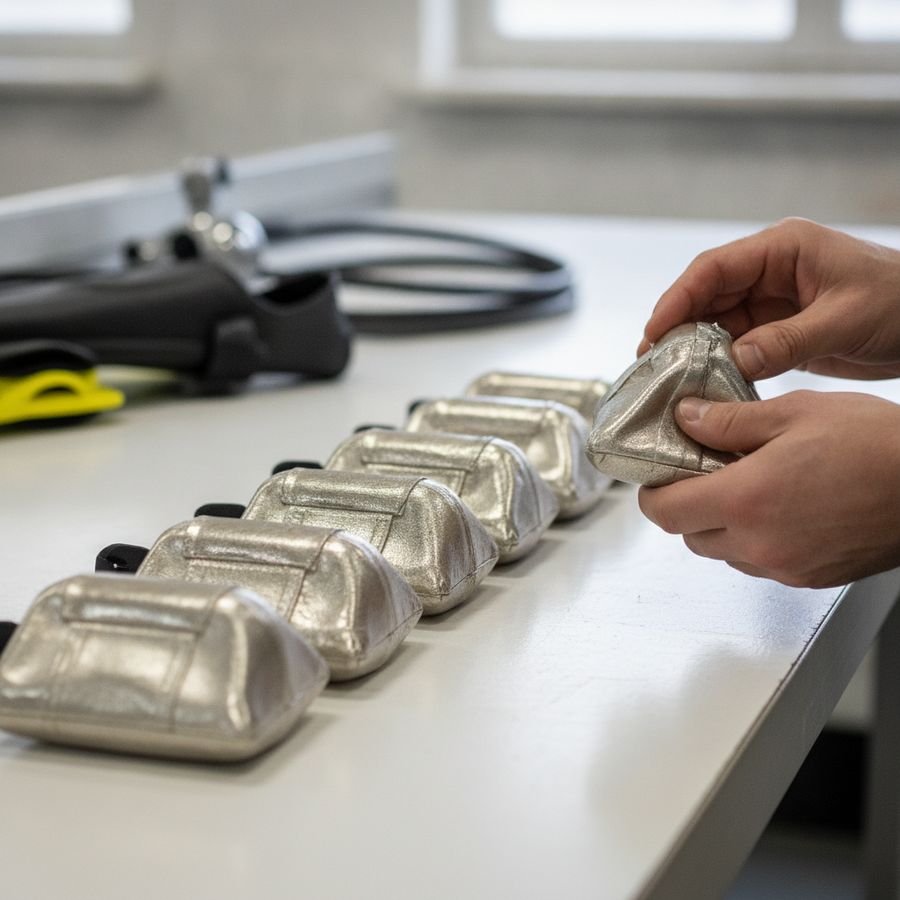
Not all weights are equal when it comes to surface protection. In high-use environments such as training centers, charter boats, and rental counters, coated dive weights and plated soft lead options offer meaningful advantages over unfinished alternatives. Their main value is not only appearance, but also a reduction in direct contact with raw lead surfaces and the oxidation byproducts that can otherwise develop over time.
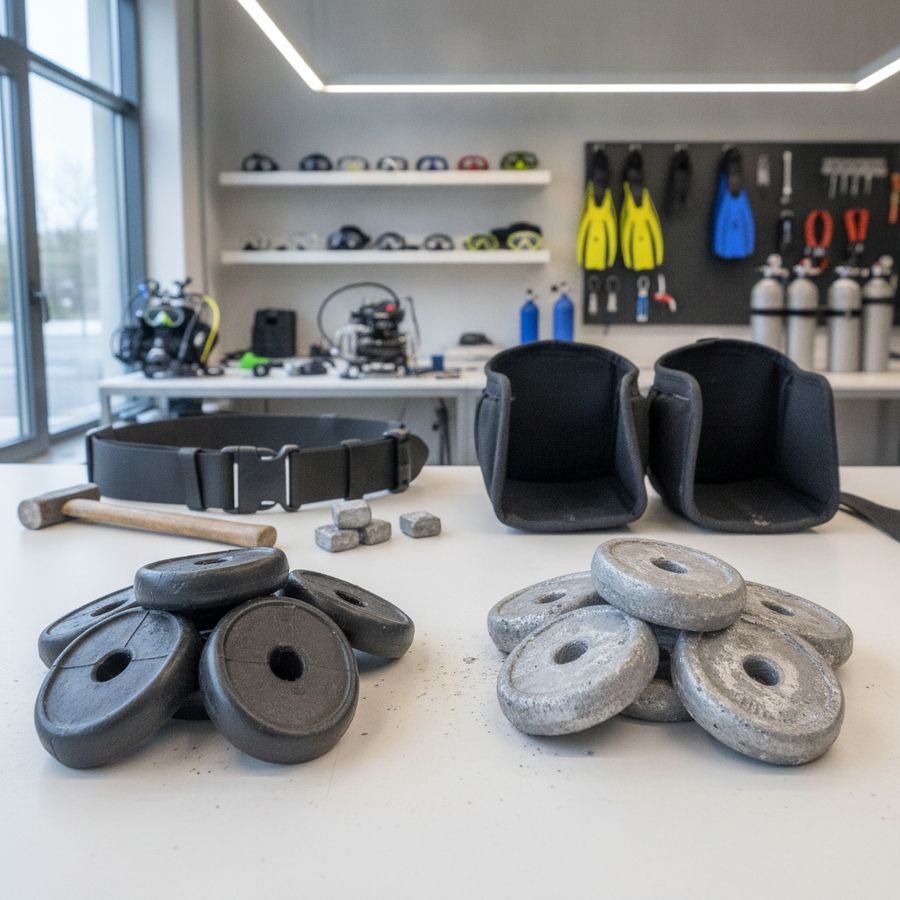
Coated hard weights can help protect both the user and the surrounding equipment. A durable coating reduces surface damage, limits marking on decks and BCDs, and helps create a more comfortable feel during repeated manual handling. Likewise, plated soft lead options are designed to minimize corrosion and reduce the dusty residue sometimes associated with standard shot-based products.
For organizations responsible for beginners, minors, or large numbers of short-term users, this matters. Safer weight systems should support a controlled environment where staff can issue, recover, and store equipment with less mess and less repeated exposure during routine operations.
Protective finishes do not replace good procedures, but they make good procedures easier to maintain every day.
When reviewing procurement choices, operators should compare more than price per kilogram. The right finish can improve cleanliness, reduce wear on adjacent gear, and simplify maintenance across the entire fleet. That is why many professional teams now prioritize coated dive weights for blocks and plated options for soft lead systems, especially where frequent handling and presentation standards are both important.
For schools, boats, and rental businesses alike, those surface improvements directly support better dive weight safety and smoother operations.
Which handling practices protect staff and students?
Handling procedures matter because weights are moved constantly: from storage racks to assembly areas, from kit stations to docks, and from divers back into inventory at the end of the day. In busy instructional environments, repeated lifting and carrying create risks not only for divers but also for the staff who manage equipment all season. Good handling habits are a core part of safer weight systems.
Staff should be trained to move weights close to the body, avoid twisting under load, and carry only manageable quantities at once. Students should be shown how to pass weights safely, place them down rather than drop them, and keep fingers clear when loading integrated pockets or belt systems. On boats, designated handoff zones reduce clutter and make it easier to control movement during entry and exit.
Clear procedures also improve accountability. When everyone uses the same issue, return, and inspection routine, damaged items are identified sooner and less likely to circulate unnoticed through the program.
Use team lifting or carts for larger transfers
Teach controlled hand-to-hand passing rather than tossing
Keep deck areas clear before loading student gear
Separate wet return items from ready-to-issue equipment
Record damaged weights immediately
Safe handling protects people twice: first during lifting, and again by keeping equipment in better condition for the next dive.
For centers managing school diving equipment, these routines also set the tone for student behavior. Strong rental gear handling practices create a calmer, more professional environment where safety expectations are visible in every step.
Consistent System Setup Prevents Avoidable Weighting Errors
Many weighting issues arise not just from the amount of lead but from inconsistency in how that lead is selected, assembled, and issued. In schools, rental fleets, and liveaboard operations, divers may quickly switch between belts, integrated systems, soft pouches, trim pockets, and various exposure suits. A lack of a consistent setup method increases the likelihood of avoidable errors.
Standardization is key to reducing this risk. Staff should be aware of where each type of weight belongs, which combinations are approved for each BCD or belt, and how to document a diver’s baseline configuration after a successful buoyancy check. This creates repeatability for students, speeds up fitting for returning rental customers, and simplifies troubleshooting for instructors when buoyancy or trim issues arise.
A straightforward system often works best: define approved weight increments, label storage clearly, and establish easy-to-follow assembly rules. This approach minimizes confusion during busy mornings and facilitates quicker cross-checking among team members.
Use standard issue sizes and combinations
Match weight systems to specific BCD or belt models
Record proven configurations for repeat users
Review changes whenever suit thickness or cylinder type changes
Consistency transforms weighting from guesswork into a repeatable safety process.
For operators focused on dive weight safety, implementing a reliable setup protocol offers one of the highest-value improvements available. It promotes cleaner teaching, reduces equipment mistakes, and enhances performance across all categories of safer weight systems, including coated dive weights used in demanding shared-gear environments.
FAQs
Why do safer weight systems matter in schools, boats, and rental dive operations?
They help reduce residue transfer, visible oxidation, and unnecessary mess on shared gear and surfaces. In high-turnover environments, cleaner and better-finished weights also support easier handling, faster cleanup, and a more professional experience for students and guests.
What should staff check on a weight system before every dive?
Staff should confirm the correct weight amount, proper seating in the belt or pocket, and clear access to the quick release. They should also inspect coatings, edges, buckles, closures, and pockets for damage, wear, contamination, or loose shot before the diver enters the water.
How should dive weights be stored between sessions?
Weights should be rinsed if needed, allowed to drain, and stored in organized racks or bins by size and type. Heavy items should stay on lower shelves, damaged units should be separated for inspection, and storage should prevent rolling, repeated impact, and confusion during issue.
Are coated or plated dive weights safer than unfinished weights?
Protective finishes can reduce direct contact with raw lead surfaces, limit residue and oxidation, and help prevent marks on decks, BCDs, and other equipment. They do not replace inspection and good procedures, but they can make routine handling and maintenance easier in shared-gear operations.
How does a consistent setup process improve dive weight safety?
Standardized issue sizes, approved combinations, and recorded baseline configurations reduce guesswork and setup errors. This makes buoyancy troubleshooting easier, improves repeatability for students and returning renters, and helps staff cross-check systems more reliably.