Overview
Ballast lead plays a crucial role in yacht building, offering essential stability and balance to marine vessels. As yachts navigate varying sea conditions, maintaining optimal weight distribution becomes paramount for safety, performance, and comfort. Ballast lead, thanks to its high density and malleability, is widely regarded as the ideal material for this purpose.
In yacht construction, ballast refers to the weight added to a vessel’s keel or hull to counterbalance the forces acting on it, such as wind and waves. This prevents excessive rolling, capsizing, or instability, ensuring smoother and safer sailing experiences. Lead’s unique physical properties make it the preferred choice among marine ballast materials, combining weight efficiency with durability.
Lead casting technology enables the production of ballast in various shapes and sizes tailored to specific design requirements. This flexibility allows yacht builders to optimize the ballast placement and weight distribution precisely. Beyond performance, ballast lead also contributes to the yacht’s structural integrity by reinforcing the keel, a critical component of the vessel’s framework.
“The use of lead in yacht ballast offers superior density and corrosion resistance, enabling yachts to maintain stability without sacrificing speed or maneuverability.”
Modern yacht designs increasingly incorporate specialized ballast lead components, manufactured with stringent quality control to guarantee uniformity and long-lasting performance. Innovations like protective coatings further enhance the lifespan of ballast lead by preventing oxidation and corrosion in harsh marine environments.
Understanding the specifications and applications of ballast lead is essential for yacht builders, designers, and marine engineers. This comprehensive knowledge ensures that yachts not only meet safety standards but also deliver optimal sailing performance and durability.

What ballast lead is used for in yachts
Yacht ballast lead serves primarily to enhance the vessel’s stability by providing counterweight to the forces acting upon it while underway or at rest. By carefully integrating ballast lead into the yacht’s keel or hull, designers can tailor the center of gravity, preventing excessive heeling and ensuring a smooth ride.
Ballast lead is particularly important for sailing yachts, where wind forces on sails can create substantial heeling moments. Without adequate ballast, the yacht risks tipping dangerously or capsizing. The dense nature of lead allows yachts to gain the necessary weight without significantly increasing the overall volume or compromising interior space.
In addition to stability, ballast lead contributes to:
- Improved handling: Balanced weight distribution enhances maneuverability and responsiveness.
- Structural support: Ballast in the keel strengthens the yacht’s backbone, absorbing stress during navigation.
- Performance optimization: Proper ballast placement reduces drag and improves hydrodynamics, enabling higher speeds.
- Safety: Enhanced stability reduces the risk of capsizing in rough seas or during sudden wind gusts.
Besides traditional keel ballast, ballast lead is also used in:
- Internal ballast systems to adjust trim dynamically
- Ballast tanks that can be filled or emptied to adapt to changing conditions
- Ballast weights integrated into the hull structure for specialized racing yachts
“The strategic use of ballast lead in yachts is a cornerstone of marine design, balancing safety, performance, and comfort at sea.”
Choosing the right type and amount of ballast lead is a design decision informed by yacht size, purpose, and expected sea conditions. The versatility and reliability of lead make it indispensable for marine ballast applications within the yachting industry.
Common ballast lead shapes and casting considerations
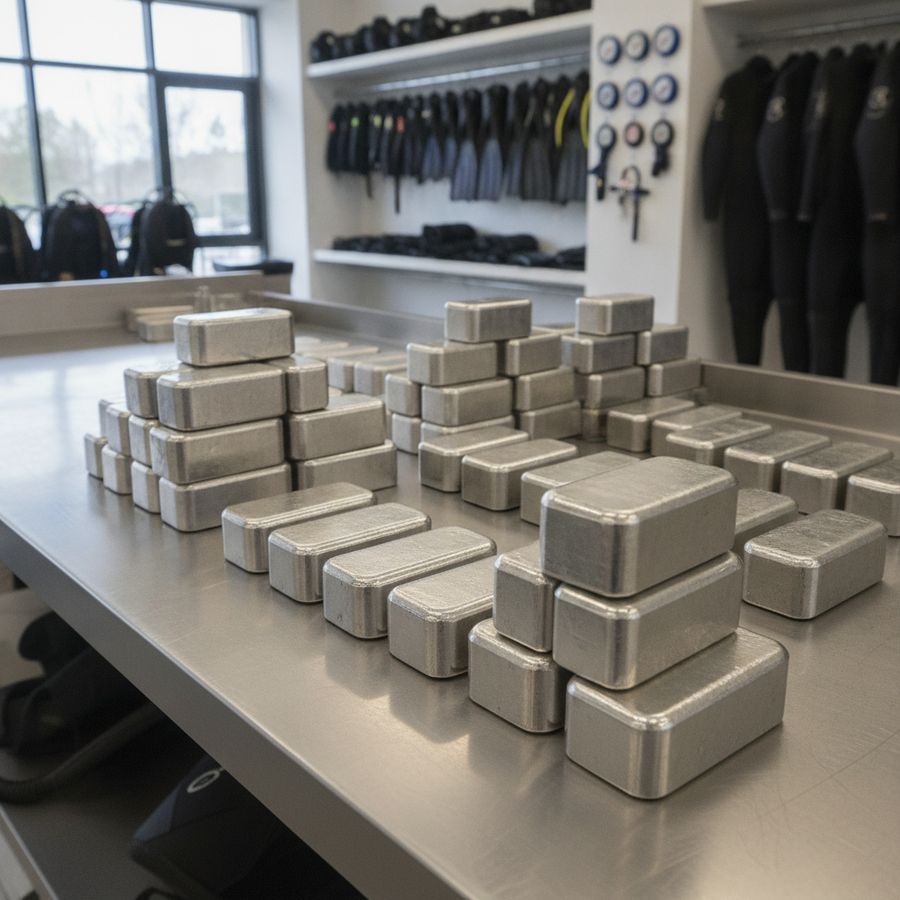
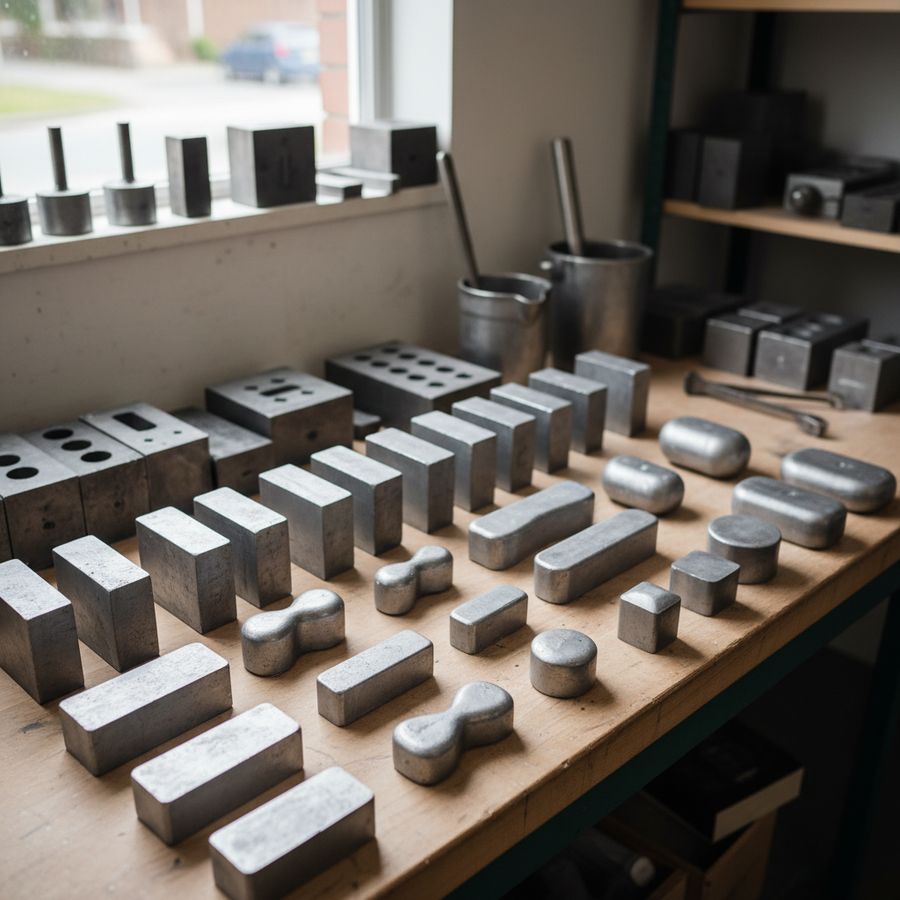
When producing ballast lead for yachts, the shape and casting process are vital factors influencing performance and installation efficiency. Common shapes include blocks, ingots, and custom-molded forms that fit precisely within the keel or hull cavities.
Lead casting methods vary depending on the complexity and volume requirements. Traditional sand casting and gravity pouring remain popular for their cost-effectiveness and adaptability, while more advanced techniques like centrifugal casting provide enhanced density and structural integrity.
Key casting considerations include:
- Dimensional accuracy: Precise molds ensure the ballast fits perfectly, avoiding gaps that might compromise stability.
- Surface finish: Smooth finishes reduce the need for additional machining and improve coating adhesion.
- Internal integrity: Careful casting prevents porosity and voids, which can weaken the ballast and affect weight consistency.
- Custom shapes: Tailored ballast shapes enable optimal placement, maximizing the yacht’s center of gravity control.
Manufacturers often provide coated or uncoated ballast lead blocks, with coatings serving to protect against marine corrosion and oxidation. The choice of coating depends on the intended environment and maintenance schedules.
“Casting techniques and shape customization of ballast lead are integral to creating efficient, safe, and durable ballast systems for modern yachts.”
Advanced casting also allows for weight tuning, where lead blocks can be produced in varying masses to meet precise design specifications. This flexibility ensures that yacht builders can adjust ballast weight and distribution with confidence, optimizing vessel performance and longevity.
Density, Weight calculations, and design constraints
The density of lead is a fundamental property that makes ballast lead highly effective in yacht construction. With a density of approximately 11.34 g/cm³, lead is significantly denser than alternative ballast materials, allowing for a more compact and heavy ballast system.
Designers calculate ballast weight carefully to achieve the desired stability without overburdening the yacht or compromising its speed. Weight calculations consider factors such as:
- Vessel displacement and buoyancy
- Center of gravity relative to the keel and hull
- Expected sea conditions and wind forces
- Material density and volume of ballast lead
One of the main design constraints when using ballast lead is space allocation within the hull or keel structure. Since lead is heavy and dense, even small inaccuracies in weight calculations or placement can affect the yacht’s balance and handling adversely.
Moreover, the overall structural design must accommodate the static and dynamic loads imposed by ballast lead, especially during rough sea conditions. Proper engineering ensures that the yacht’s frame can support the ballast without deformation or damage.
“Accurate density and weight calculations, combined with mindful design constraints, are essential to harnessing the full benefits of ballast lead in yacht construction.”
Optimizing ballast lead usage involves iterative design and simulation, often using computer-aided tools to predict vessel behavior under various scenarios. This process guarantees that the yacht achieves ideal stability, performance, and safety margins.
Corrosion resistance and protective coatings for marine use
One of the challenges of using lead as marine ballast is its susceptibility to corrosion when exposed to seawater and atmospheric conditions. Though lead is naturally corrosion-resistant compared to many metals, prolonged exposure can lead to surface oxidation, which may compromise ballast integrity over time.
To mitigate corrosion risks, manufacturers apply specialized protective coatings to ballast lead. These coatings serve as barriers, preventing direct contact between the lead surface and aggressive marine elements.
Common protective measures include:
- Epoxy coatings: Provide a durable, waterproof layer resistant to abrasion and chemical attack.
- Polyurethane paints: Offer flexibility and resistance to cracking under mechanical stress.
- VK Pro Shield and similar proprietary technologies: These advanced coatings combine corrosion resistance with aesthetic appeal, keeping ballast lead clean and professional-looking.
“Protective coatings are a vital part of extending the lifespan of ballast lead in harsh marine environments.”
Besides coatings, proper maintenance and inspection routines help detect early signs of corrosion, ensuring timely interventions. Yacht builders and owners benefit from using coated ballast lead blocks that reduce upkeep costs and improve safety.
In summary, corrosion resistance and protective coatings are indispensable to preserving the functional and structural qualities of marine ballast lead, enhancing both yacht performance and longevity.
Quality control checks for consistent ballast weight
Ensuring consistent weight and quality of ballast lead is critical in yacht building, where even minor deviations can affect vessel stability and safety. Quality control (QC) processes are embedded throughout the lead casting and finishing stages to guarantee uniformity and precision.
Typical QC measures include:
- Dimensional inspections: Verifying ballast shapes and sizes conform to specified tolerances.
- Weight verification: Using precision scales to confirm each ballast block meets exact weight requirements.
- Material purity tests: Ensuring the lead alloy meets standards to maintain density and corrosion resistance.
- Surface quality checks: Detecting casting defects such as porosity, cracks, or surface irregularities.
- Coating inspections: Evaluating protective layers for uniformity and adhesion.
In-house production capabilities enhance QC by allowing manufacturers to control every step, from raw lead processing to final coating application. This control minimizes variability and provides confidence that each ballast piece supports the yacht’s design specifications.
“Rigorous quality control ensures ballast lead consistently delivers the precise weight and durability that yacht stability depends on.”
For marine professionals and yacht builders, sourcing ballast lead from trusted suppliers with robust QC protocols is essential to achieving reliable and repeatable results in vessel construction and performance.
Conclusion
Ballast lead remains an indispensable component in yacht building, providing the necessary weight and balance to ensure safe, stable, and efficient sailing. Its high density, ease of casting into tailored shapes, and excellent corrosion resistance make it the material of choice for marine ballast applications.
From initial design and weight calculations to protective coatings and stringent quality control, every aspect of ballast lead production directly influences yacht performance and longevity. Modern manufacturing techniques and specialized coatings further enhance lead’s suitability for the demanding marine environment.
For yacht builders and marine engineers, understanding the specifications and applications of ballast lead is key to optimizing vessel stability and safety. Partnering with experienced suppliers who offer in-house production and comprehensive quality assurance ensures consistent, high-quality ballast lead tailored to precise requirements.
Ultimately, ballast lead’s combination of strength, density, and durability makes it a trusted foundation in yacht construction, supporting vessels that excel both on the water and in design excellence.