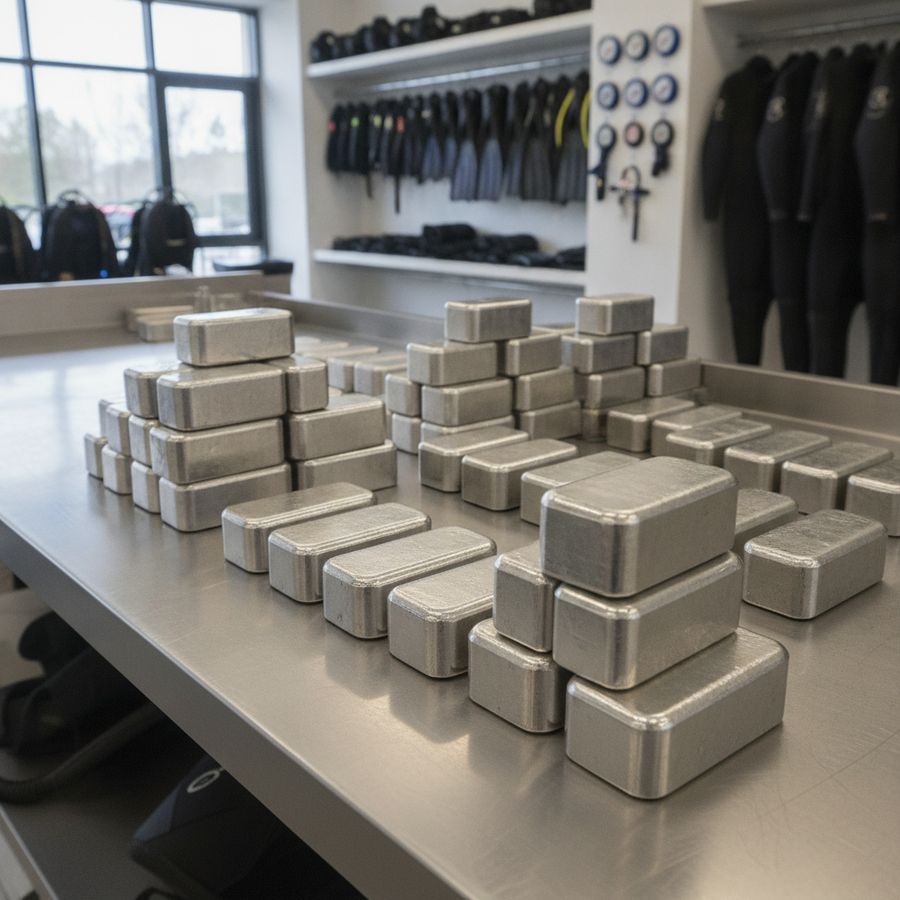
The hidden cost of slow-moving SKUs
In scuba retail inventory, the obvious cost of overstock is the invoice you already paid. The less obvious cost is what happens afterward: shelf space gets consumed, cash is trapped, and staff spend time counting products that rarely move. In practice, dead stock is not just unsold lead or accessories sitting in the corner. It is working capital that can no longer support faster sellers, rental replacements, or seasonal demand swings.
For dive operators, weight inventory becomes especially vulnerable when the assortment grows without discipline. A shop may carry too many niche variations in kilogram sizes, coatings, belt formats, or specialty weights that only fit a small percentage of local divers. That makes dive shop stock management harder, because every extra SKU creates one more forecasting problem. Even if the unit cost seems manageable, the total cost rises through storage, handling, shrinkage, and missed opportunities.
Dead stock is rarely created by one bad order. It usually comes from many small buying decisions made without a clear replenishment strategy.
Strong dive shop inventory planning starts by separating core demand from exceptional demand. Ask which weights support daily rental turnover, entry-level training, and the most common customer purchases. Then flag the long-tail items that only sell occasionally.
Measure sell-through by SKU, not just by category
Track how long each weight sits before sale or rental use
Review whether low-volume items justify their shelf footprint
Reallocate budget from slow movers to proven essentials
When a shop treats every SKU as equal, inventory quietly becomes less profitable. When it prioritizes movement, margins and service levels both improve.
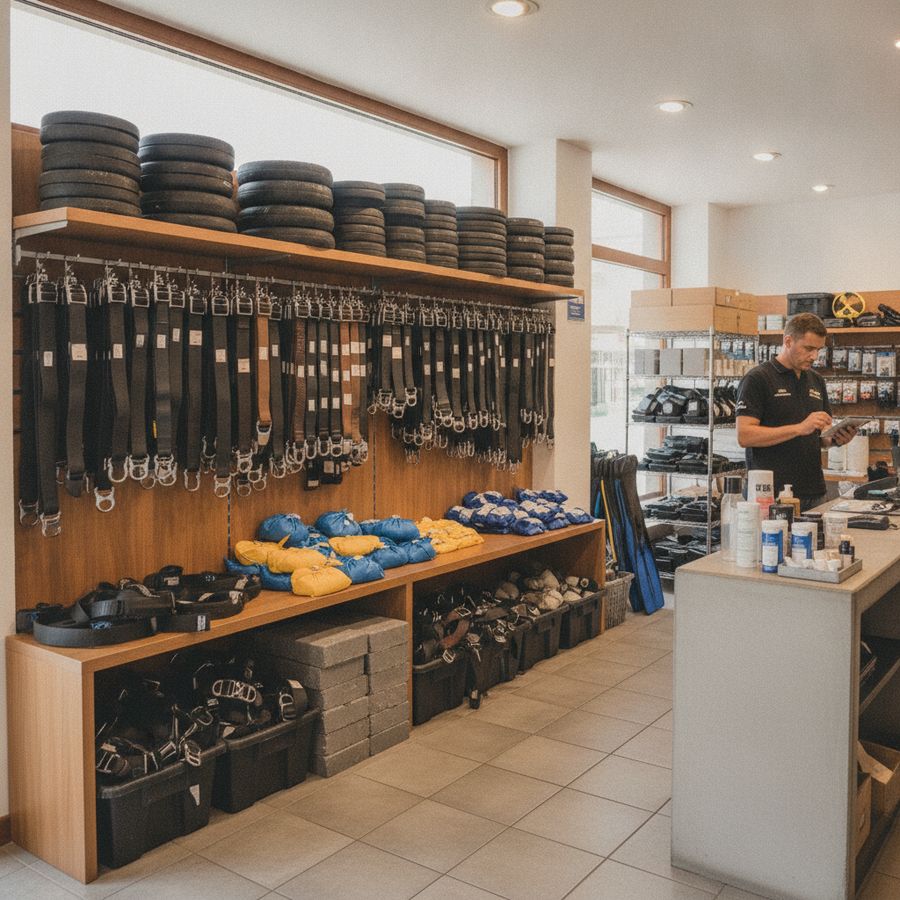
Fast reorder models for seasonal demand
Most dive shops do not experience steady demand across the calendar. Training periods, holiday travel, local water temperature, charter activity, and tourism spikes all influence how quickly weights move. That is why seasonal businesses benefit from a reorder model built around speed, not bulk. In many cases, the best answer to uncertain demand is a supply partner that can ship within 24 to 48 hours instead of forcing one large preseason purchase.
With faster replenishment, a shop can run leaner base stock and top up as bookings become clearer. This approach reduces the risk of buying too many soft lead pouches, belts, or specialty blocks before demand is proven. It also supports better scuba retail inventory performance because capital stays available for wetsuits, service parts, or high-margin accessories that may need replenishment just as urgently.
Seasonal demand is easier to manage when you replenish from real bookings and actual turnover instead of optimistic forecasts.
A simple reorder model often works best. Set minimum and maximum levels for each core weight SKU, then review weekly during peak months and biweekly in shoulder season. For rental-heavy shops, monitor reservations and course rosters as leading indicators. For retail-focused shops, compare current sell-through with the same period last year.
Keep core weight sizes on tighter reorder points
Use shorter review cycles during summer peaks
Separate rental replacement demand from retail demand
Choose suppliers that support small, frequent top-up orders
Fast replenishment is not just operationally convenient. It is a practical defense against both stockouts and overbuying, two of the biggest threats in dive shop stock management.
Which dive weights deserve shelf space
Not every dive weight deserves to be stocked in the same depth or frequency. The smartest retailers assign shelf space according to actual demand patterns, replacement frequency, and margin contribution. In other words, a product should earn its place. For effective dive shop inventory planning, the first priority is usually the items that solve everyday needs for courses, guided dives, and walk-in customers.
Core products often include standard block weights, reliable soft lead options, common belt systems, and practical accessories that support immediate use. These are the items that help divers get in the water today, not someday. Specialty formats still matter, but they should usually be stocked more selectively unless local demand clearly supports them. A compact assortment with dependable availability often outperforms a broad assortment filled with slow-moving edge cases.
Supplier quality also affects shelf value. Clean-handling materials, durable coatings, and consistent manufacturing reduce complaints and make products easier to store and display professionally. For example, soft lead made with nickel-plated shot can help avoid oxidation dust, while durable coated blocks can protect gear and improve handling in busy rental settings.
Give priority to top-selling sizes and rental-compatible formats
Stock products that stay clean and presentable on display
Limit niche SKUs unless they have repeat local demand
Favor weights that support both retail sale and operational use
The best shelf space is reserved for inventory that turns quickly, solves common diver needs, and supports reliable daily operations.
That mindset keeps dead stock under control while making the assortment more useful to both staff and customers.
Balancing rental needs with retail margins
Dive shops often make inventory decisions through two very different lenses: operational reliability and retail profitability. Rental departments need durable, easy-to-manage weights that can survive repeated handling on boats, in rinse areas, and during student courses. Retail departments, meanwhile, want products that present well, deliver healthy margins, and appeal to divers who are ready to buy their own setup. The challenge is building an assortment that supports both without overstocking either side.
One common mistake is assuming rental demand should dictate the entire purchasing plan. Rental volume does matter, but it should not automatically lead to excess quantities of every format. A better method is to identify the overlap between rental practicality and retail appeal. Weights with clean finishes, impact-resistant coatings, and comfortable handling can serve both functions, helping the shop streamline its product mix while improving perceived value.
Inventory performs better when one product line can support rental operations, retail presentation, and replacement efficiency at the same time.
For example, coated hard weights can reduce cosmetic wear and protect equipment, while cleaner soft lead options can improve the customer experience at the sales counter. These details matter because presentation affects retail conversion. A product that looks professional on the shelf is easier to sell than one that appears dusty, chipped, or inconsistent.
Reserve heavy rental depth for the most durable core products
Use retail displays to highlight cleaner, higher-value options
Track replacement costs as part of margin analysis
Avoid duplicating too many near-identical SKUs across both channels
When rental and retail are planned together, dive shop stock management becomes simpler and margins become easier to protect.
When no MOQ beats bulk discounts
Bulk discounts can look attractive on paper, but they do not always produce better economics. If a shop buys more than it can realistically sell or use, the discount is often erased by storage costs, tied-up cash, and slower overall inventory turnover. That is where no minimum order quantity becomes strategically powerful. Instead of purchasing for the supplier’s convenience, the shop can purchase for actual demand.
For dive operators managing uncertain sell-through, no MOQ reduces risk in several ways. It allows new product testing without a major commitment. It supports replacement ordering for rental wear and loss. It also helps multi-season businesses avoid loading up before demand is confirmed. In short, no minimum order quantity can be more valuable than a nominal lower unit price when the alternative is carrying extra dead stock.
The cheapest unit cost is not the best deal if the product sits unsold for months.
This model is especially useful in weight categories where needs can vary by diver profile, training activity, and destination mix. A store serving local cold-water divers may need a different replenishment rhythm than a tourist-focused center serving mostly short-term renters. Flexible ordering lets the business respond without overcommitting.
Test low-risk quantities before expanding a range
Top up fast sellers instead of overbuying the full category
Protect cash flow for repairs, staffing, and seasonal marketing
Reduce markdown pressure at the end of the season
In practical scuba retail inventory terms, the freedom to order exactly what is needed often beats a discount that only rewards volume.
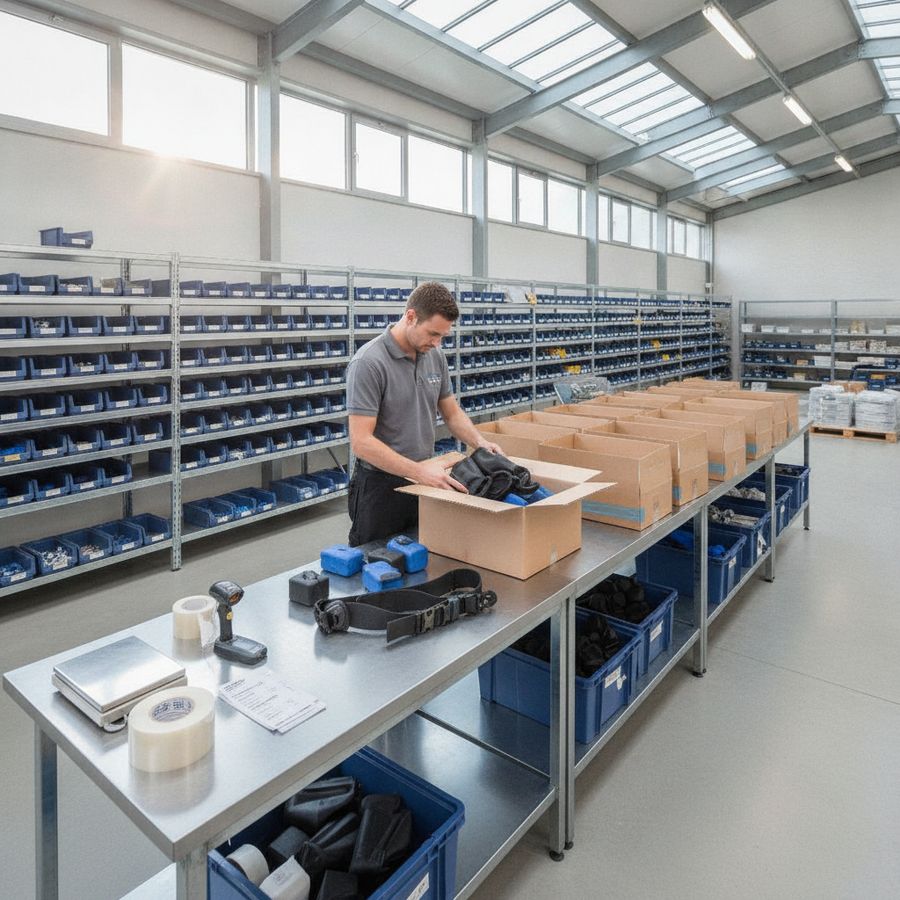
Inventory planning for multi-location dive shops
Multi-location operations face a more complex version of the same inventory problem: too much stock in one place, not enough in another, and limited visibility between the two. A weight SKU that moves quickly at a high-tourism coastal shop may sit untouched at an inland training location. Without disciplined transfers and shared reporting, one branch creates stockouts while another quietly accumulates dead stock.
The solution isn’t to enforce a uniform assortment across every branch. Instead, develop a network strategy that offers central visibility alongside local flexibility. Begin by establishing a common core range for all locations, then permit branch-specific additions based on diver profiles, water conditions, rental volumes, and course activities. This approach makes dive shop inventory planning more precise, ensuring that each location has what it genuinely requires while the group enjoys the advantages of standardization.Multi-location inventory works best when replenishment rules are centralized but stocking decisions still reflect local demand.
A simple transfer policy can make a major difference. If one branch is overstocked in a slow-moving weight format and another is about to reorder the same item, move stock internally first. That reduces unnecessary purchasing and improves total network turnover.
Use shared SKU reporting across all branches
Classify stock as core, local, or seasonal
Transfer slow movers before placing new external orders
Review branch-level sell-through and rental usage monthly
For growing operators, strong dive shop stock management is not just about buying smarter. It is about treating the full network as one inventory system, with each location contributing to healthier overall performance.