Overview
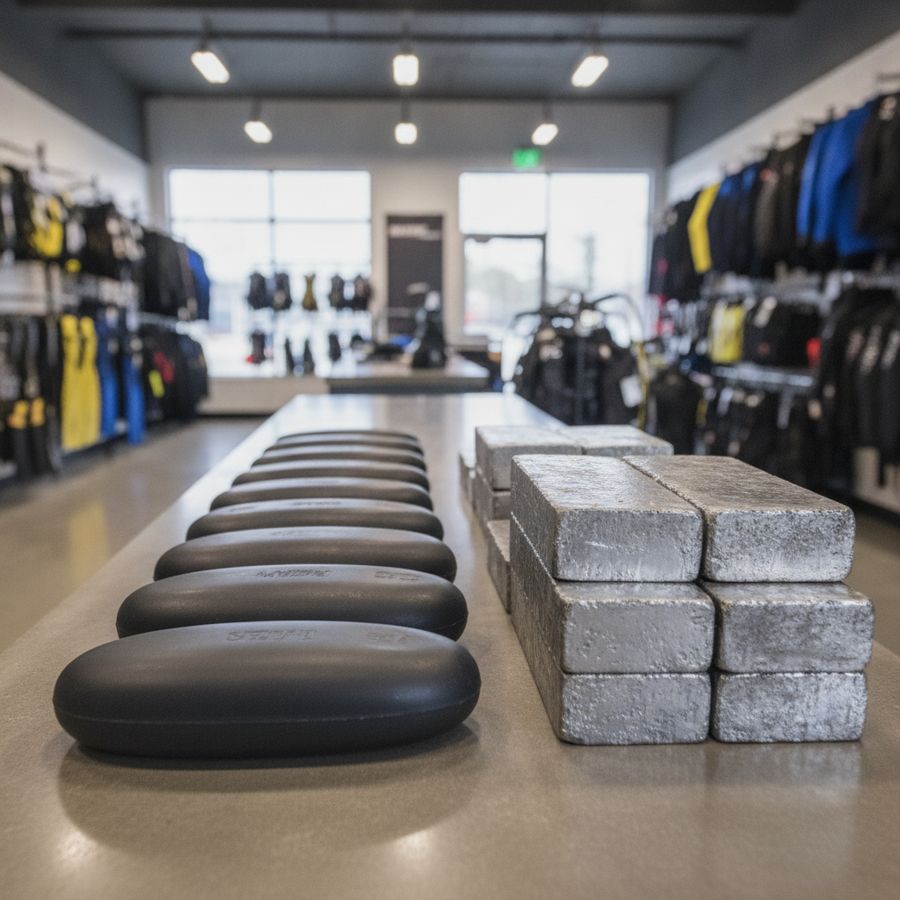
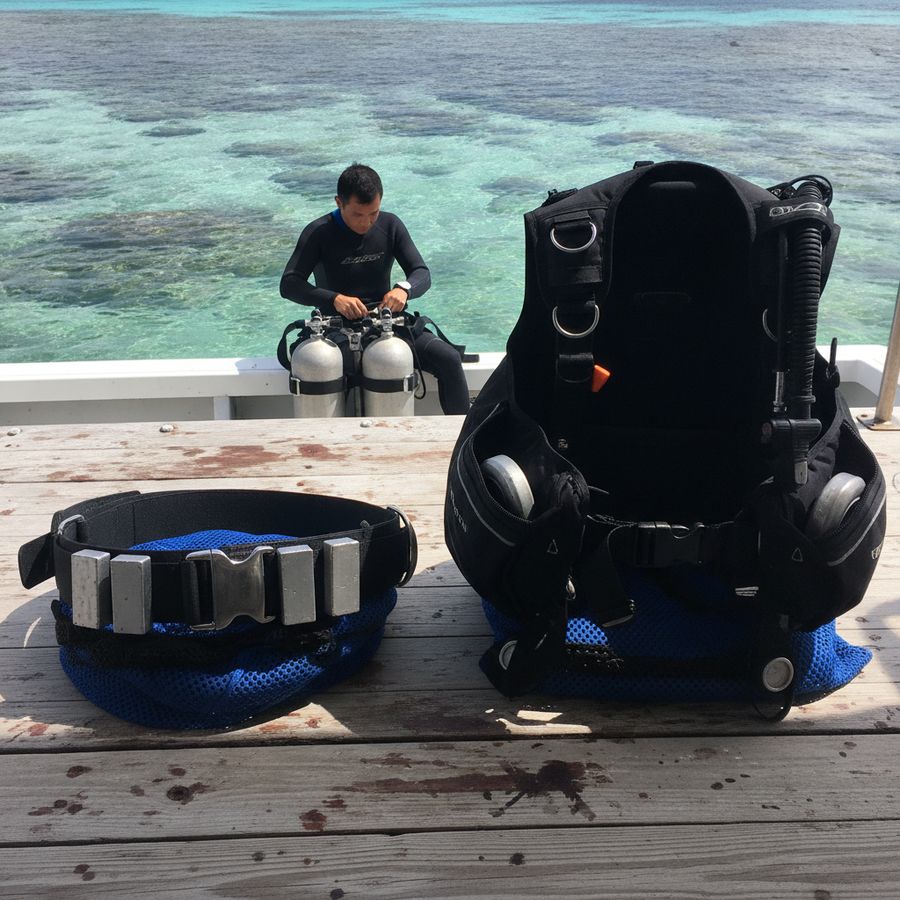
Dive shop inventory planning is a critical component for maintaining profitability and customer satisfaction in the specialized diving equipment market. One of the most challenging aspects is managing dive weights, which often become dead stock if not properly planned. Dive weights come in various forms—blocks, belts, soft lead pouches—each with unique demand patterns and storage needs.
Effective inventory management ensures that your shop has the right mix of products available without tying up capital in excess stock. This balance is crucial, especially in a niche sector where product turnover can be slower and demand fluctuates with diving seasons and training cycles.
“Proper inventory planning helps reduce dead stock, improves cash flow, and enhances customer satisfaction by ensuring availability of essential dive weights.”
In this guide, we will explore the specific challenges dive shops face with inventory dead stock on weights and offer practical strategies for forecasting demand, stocking mixes, reorder points, and storage solutions tailored to dive shops.
Why dive weights create inventory dead stock
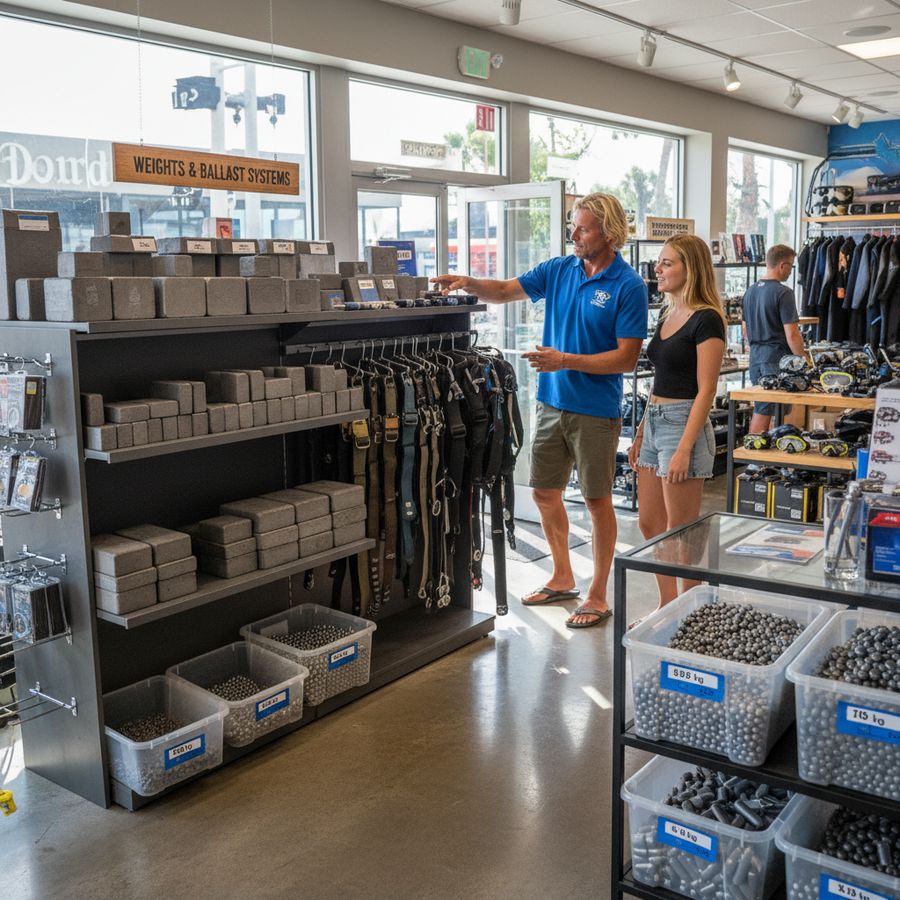
Dive weights can become dead stock due to their specialized nature and variable customer demand. Unlike consumables or apparel, dive weights are durable goods with slower turnover rates, especially for less common sizes or types.
Seasonality greatly influences demand, as diving activity peaks in warmer months and lulls during colder seasons. Additionally, many dive shops serve training schools with cyclical purchasing patterns aligned to course schedules, which may cause uneven demand across the year.
Other factors contributing to dead stock include:
- Over-ordering uncommon weight sizes or formats.
- Stocking excessive quantities of bulky lead blocks that occupy valuable storage space.
- Lack of alignment between product assortment and local diver preferences.
Without accurate demand forecasting and inventory control, dive weights wholesale purchases can quickly lead to capital being locked in unsold items.
Forecasting demand by season and training cycles
Successful dive shop inventory planning hinges on understanding how seasonal trends and dive training cycles impact demand for weights. During peak diving seasons, such as late spring through early fall, demand surges as recreational divers purchase or replace weights. Conversely, winter months often see a slowdown.
Training schools typically have predictable enrollment periods, which influence bulk purchases of weight belts and soft lead pouches. Aligning inventory levels to these cycles can prevent overstocking and stockouts.
To forecast demand effectively, consider:
- Analyzing historical sales data by month and product type.
- Communicating with local dive schools about upcoming courses.
- Monitoring regional diving event calendars and weather patterns.
“Forecasting demand by season and training cycles allows dive shops to maintain optimal inventory levels, reducing dead stock and improving cash flow.”
Stocking mix: blocks, Belts, Soft lead pouches
A well-balanced stocking mix is vital to meet diverse customer needs and minimize dead stock risks. Dive weights come primarily in three forms: blocks, belts, and soft lead pouches, each serving different diver preferences and applications.
Lead blocks are preferred by divers who want customizable weight configurations. Tech blocks, often 1 kg each, are popular for technical diving but can be slower moving and bulky to store.
Weight belts are a staple, combining convenience and adjustability. Offering a range of belt sizes and buckle types ensures compatibility with various wetsuits and diver physiques.
Soft lead pouches offer flexibility and comfort, especially for recreational divers. Nickel-plated soft leads resist oxidation, extending shelf life and appeal.
Maintaining an optimal mix tailored to your customer base is key.
- Stock popular block sizes for immediate availability.
- Keep a variety of belt lengths and buckles.
- Offer soft lead pouches in common weights for comfort-focused divers.
No minimum order strategy for cash flow
Implementing a no minimum order strategy can significantly improve cash flow for dive shops by preventing excess inventory accumulation. Rather than bulk purchasing dive weights wholesale, ordering exactly what is needed when it’s needed reduces capital tied up in slow-moving stock.
This approach is increasingly viable thanks to suppliers specializing in dive weights who offer flexible order quantities without minimum thresholds. It enables shops to respond agilely to demand fluctuations and avoid costly overstock.
“Ordering without minimum constraints empowers dive shops to optimize inventory levels, reduce dead stock, and maintain healthier cash flow.”
By adopting this strategy, shops can also diversify their inventory, testing new product types and sizes without risk. This flexibility supports better inventory management and customer satisfaction by ensuring consistent availability without surplus.
Reorder points and fast-moving weight sizes
Establishing clear reorder points is essential for maintaining stock levels of fast-moving dive weight sizes. These are the critical inventory thresholds that trigger replenishment orders to avoid stockouts.
Fast-moving sizes typically include mid-range lead blocks (e.g., 1 kg), commonly used soft lead pouch weights, and popular belt lengths. Monitoring sales velocity and adjusting reorder points seasonally ensures inventory remains aligned with demand.
Effective reorder point management involves:
- Tracking average daily or weekly sales per SKU.
- Accounting for supplier lead times to prevent gaps.
- Setting safety stock levels to buffer against unexpected demand spikes.
Well-defined reorder points help dive shops maintain optimal stock levels and minimize both dead stock and lost sales due to unavailability.
Storage and shelf presentation to reduce losses
Proper storage and shelf presentation of dive weights not only protects inventory but also reduces losses and improves customer experience. Dive weights are dense and heavy, requiring sturdy shelving and organized layouts to prevent damage and facilitate easy access.
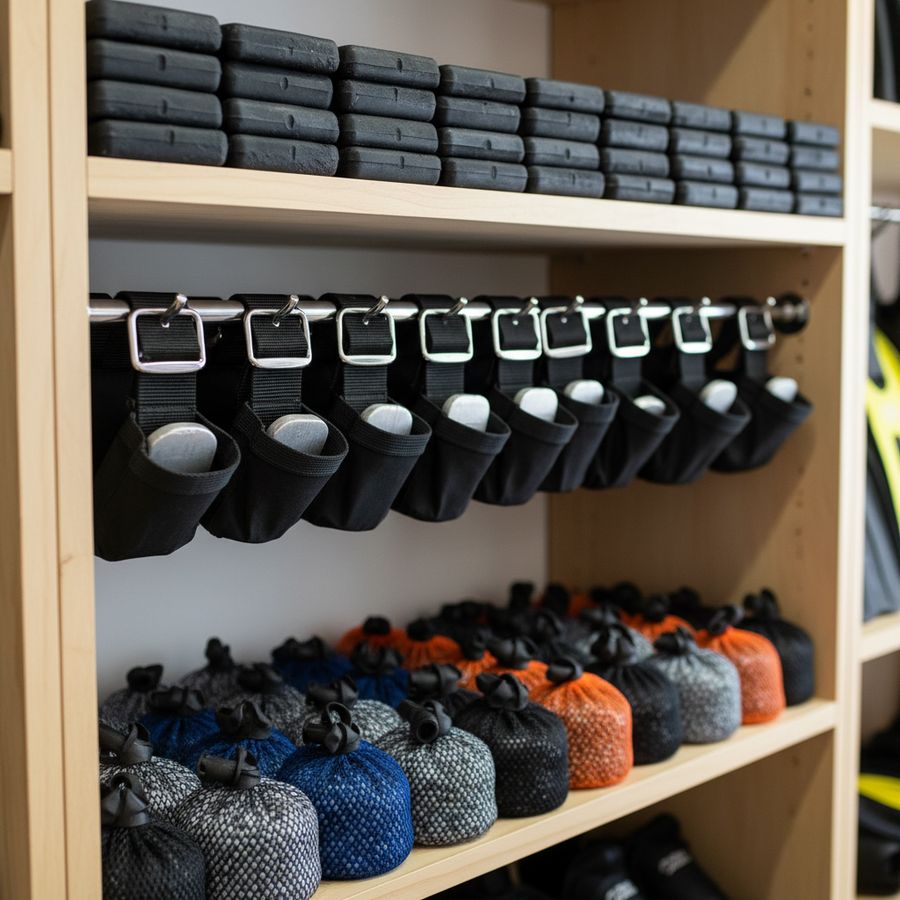
Using vertical storage for blocks and neatly arranged displays for belts and soft lead pouches maximizes space efficiency. Clean, well-maintained shelves with clear labeling also attract customers and simplify inventory counts.
“Effective storage and attractive shelf presentation play a vital role in reducing inventory losses and enhancing sales.”
Regularly inspecting stock for oxidation or damage, especially on uncoated lead, helps maintain product quality and shop reputation. Incorporating VK Pro Shield coated blocks can minimize oxidation, keeping your inventory looking professional and fresh longer.
Conclusion
Effective dive shop inventory planning focused on dive weights is essential for minimizing dead stock, optimizing cash flow, and meeting customer needs. Understanding why dive weights create dead stock, forecasting demand by season and training cycles, and maintaining the right stocking mix are foundational steps.
Adopting a no minimum order strategy allows for more agile inventory management, while defining reorder points for fast-moving sizes ensures consistent product availability. Finally, investing in proper storage and shelf presentation protects your inventory and enhances the customer shopping experience.
By integrating these strategies, dive shops can streamline their inventory management, reduce costly dead stock, and maintain a competitive edge in the specialized diving equipment market.