Overview
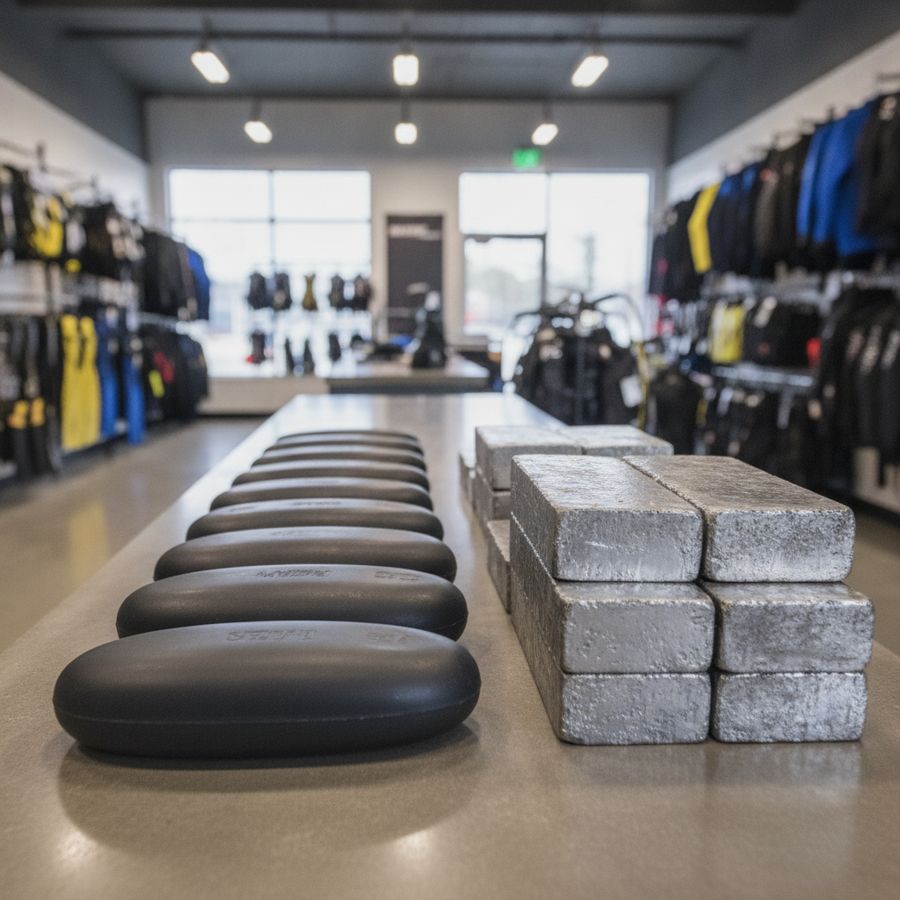
Nickel-plated soft lead is a specialized type of dive weight designed to enhance diving experiences by combining flexibility with durability. These weights are essential for divers seeking reliable ballast that maintains performance over repeated use, especially in harsh saltwater environments. The nickel plating serves as a protective barrier, minimizing lead oxidation and prolonging the life of the weights.
Proper maintenance and corrosion prevention of these dive weights are crucial to ensure safety and functionality. Over time, exposure to saltwater can cause soft lead to oxidize and discolor, potentially compromising its effectiveness. This article explores what nickel-plated soft lead is, why it is favored by divers, and practical care tips to prevent corrosion and discoloration.
Whether you are a professional dive operator or an enthusiast, understanding how to care for your soft lead weights can save you money and enhance your diving safety. We will also cover best practices for rinsing, drying, and storage, as well as guidelines on when to replace worn soft lead bags to maintain optimal performance underwater.

What nickel-plated soft lead is
Nickel-plated soft lead is a form of diving weight where soft lead is coated with a thin layer of nickel metal. This plating provides a robust shield against environmental factors that typically cause corrosion and oxidation in plain lead weights. The coating is designed to withstand underwater conditions, especially the corrosive effects of saltwater.
The soft lead core remains flexible and easy to conform to various shapes, making these weights ideal for pouches and belts. The nickel plating not only enhances durability but also improves the appearance by preventing the dull, grayish discoloration commonly seen on untreated lead. This combination of flexibility and protection makes nickel-plated soft lead a preferred choice for many diving professionals.
“Nickel plating extends the lifespan of soft lead weights by reducing oxidation and maintaining a clean, professional look.”
Manufacturers like Van Krimpen specialize in producing these weights with in-house quality control, ensuring consistent size, weight, and plating thickness to meet diver expectations. This specialized coating is a key factor in corrosion prevention for dive weights used in challenging marine environments.
Why divers choose soft lead pouches
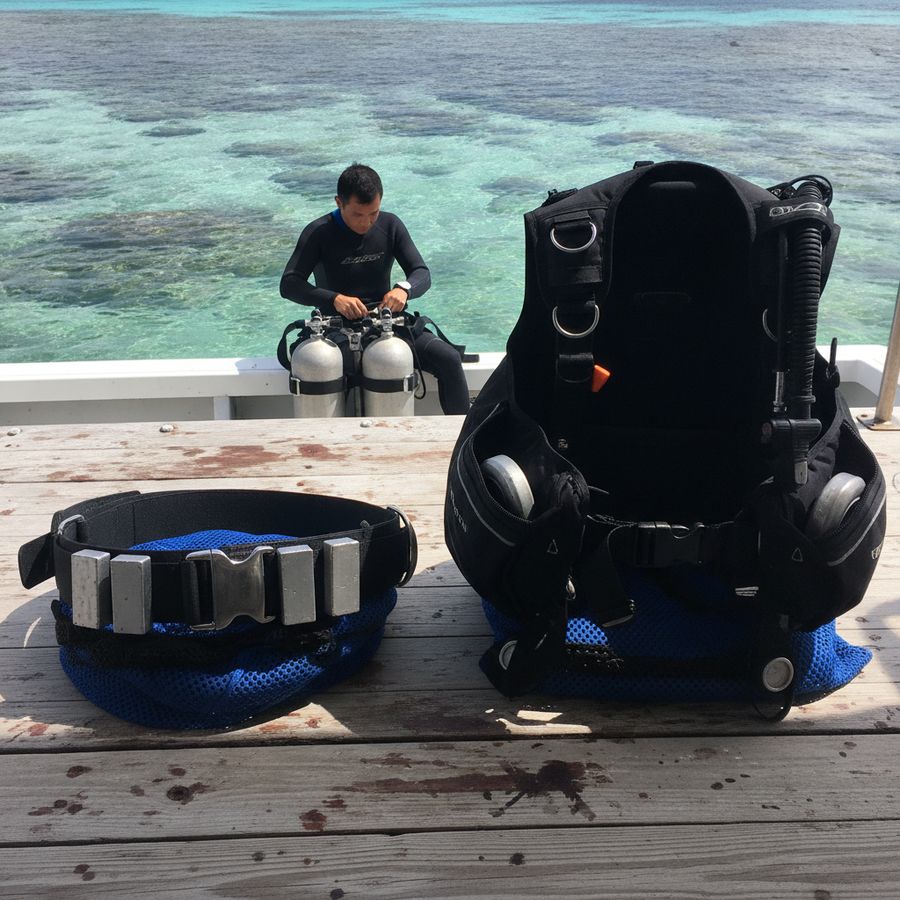
Divers often select soft lead pouches because they offer superior comfort and adaptability compared to traditional rigid lead blocks. The soft lead inside these pouches molds subtly to the diver’s body, reducing pressure points and fatigue during prolonged dives. This ergonomic advantage is crucial for professionals and recreational divers alike.
Another benefit is the ease of adjusting weight. Soft lead pouches come in various sizes and weights, allowing divers to customize their ballast to match specific dive conditions. The nickel plating on these soft lead pouches ensures that despite their flexibility, they remain resistant to corrosion and maintain their integrity through repeated exposure to water.
- Enhanced comfort and fit
- Customizable weight options
- Corrosion resistance with nickel plating
- Durability for professional use
Because of these advantages, many dive shops and schools prefer stocking nickel-plated soft lead pouches to provide their customers with reliable and long-lasting dive weights. They combine performance with ease of maintenance, making them a practical choice for divers of all levels.
How to prevent corrosion and discoloration
Corrosion and discoloration are common challenges when using soft lead weights in saltwater environments. The nickel plating on soft lead helps significantly, but proper care is essential to maximize its protective benefits. The key to corrosion prevention lies in regular maintenance routines and avoiding prolonged exposure to harmful elements.
After each dive, it is important to rinse the weights thoroughly with fresh water to remove salt deposits and other residues that accelerate oxidation. Avoid using harsh chemicals or abrasive tools that could damage the nickel plating. Storing the weights in a dry, ventilated environment also minimizes moisture buildup, a common cause of lead oxidation.
“Consistent rinsing and proper drying are your best defenses against corrosion and discoloration of nickel-plated soft lead weights.”
Additionally, consider applying a light protective coating or wax if recommended by the manufacturer to extend the life of the plating. Taking these preventive measures ensures that your dive weights remain functional and visually appealing for many dives to come.
Rinsing and drying after saltwater dives
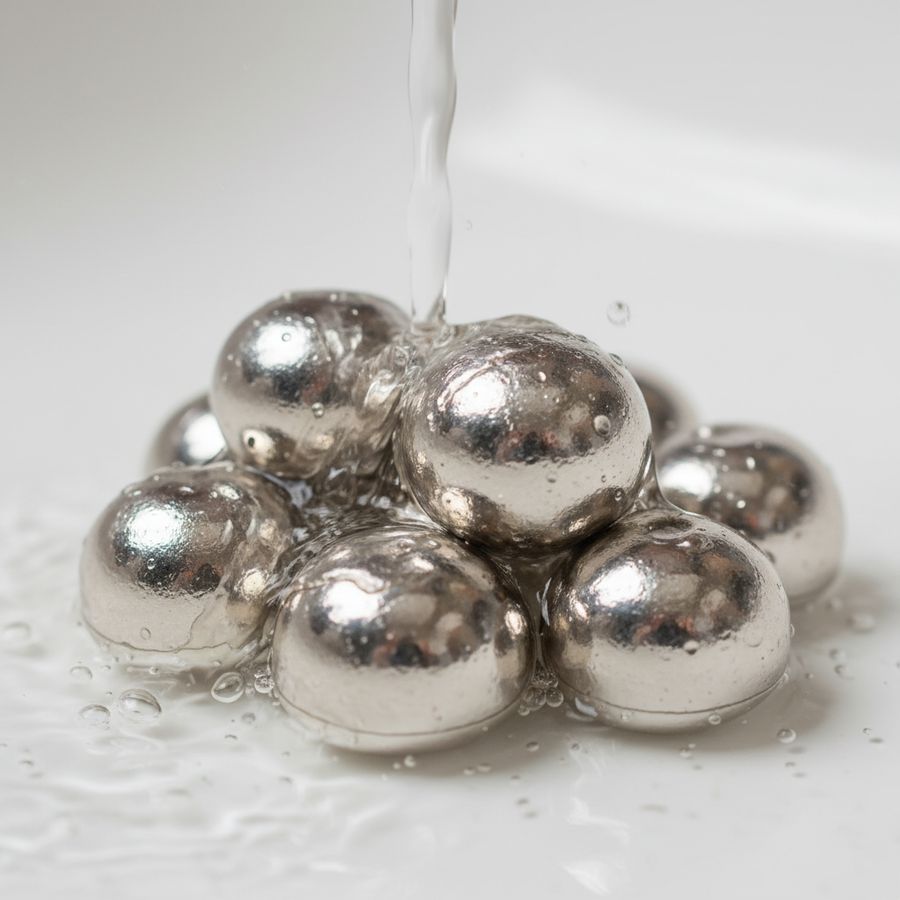
Rinsing and drying are critical steps in caring for nickel-plated soft lead weights after exposure to saltwater. Salt deposits can cause rapid deterioration if left untreated, leading to lead oxidation and unsightly discoloration. Therefore, every dive session should end with a thorough fresh water rinse.
Use clean, lukewarm water to wash the weights gently, ensuring all salt and debris are removed from both the exterior plating and seams. Avoid scrubbing too hard to preserve the nickel layer. Once rinsed, dry the weights completely with a soft towel and allow them to air dry in a shaded, ventilated area before storage.
- Rinse immediately after the dive
- Use fresh, lukewarm water
- Dry thoroughly with a soft cloth
- Air dry in a cool, dry place away from direct sunlight
By adhering to this routine, divers can significantly reduce the risk of corrosion and prolong the lifespan of their nickel plated soft lead weights. This simple post-dive habit is one of the most effective ways to maintain your equipment’s quality.
Storage tips to avoid lead oxidation
Proper storage plays a crucial role in preventing lead oxidation and corrosion in nickel-plated soft lead weights. Moisture, air pollutants, and temperature fluctuations are primary contributors to the degradation of lead surfaces. To extend the life of your dive weights, follow these storage best practices.
Store your soft lead weights in a dry, well-ventilated area, ideally at room temperature and away from direct sunlight or heat sources. Using airtight containers with desiccant packets can help absorb moisture and reduce humidity. Avoid stacking weights in a way that can cause abrasion or damage to the nickel coating.
“Optimal storage conditions are essential to preserving the integrity and appearance of soft lead dive weights.”
If you use storage bags, choose ones made of breathable fabrics rather than plastic, which can trap moisture and accelerate oxidation. Regularly inspect your stored weights for early signs of corrosion or discoloration, and clean them promptly to prevent further damage. These precautions ensure your dive weights remain reliable and corrosion-free for years.
When to replace worn soft lead bags
Despite the durability of nickel-plated soft lead weights, wear and tear are inevitable over time. Recognizing when to replace your soft lead bags is vital for safety and dive performance. Signs of excessive wear include visible corrosion, cracks, thinning plating, or loss of weight due to lead erosion.
Additionally, if the nickel plating shows persistent discoloration that cannot be cleaned or if the bag’s structural integrity is compromised, it is time to consider replacement. Using worn or damaged weights can affect buoyancy control and may pose health risks due to lead exposure.
- Visible corrosion or rust spots
- Cracks or holes in the bag
- Weight loss or deformation
- Persistent discoloration or plating damage
Regular inspection after dives and during storage will help identify these issues early. Investing in new soft lead weights ensures your diving equipment remains safe, effective, and compliant with professional standards.
Conclusion
Nickel-plated soft lead weights are an excellent choice for divers seeking durable, flexible, and corrosion-resistant ballast solutions. Their unique nickel coating significantly reduces lead oxidation and discoloration, making them more reliable and visually appealing than uncoated soft lead.
To maximize their lifespan, divers should adopt proper care routines, including thorough rinsing, drying, and optimal storage. Regular inspection and timely replacement of worn weights help maintain safety and performance underwater. By following these care and corrosion tips, you ensure that your dive weights remain in top condition, providing dependable ballast for every dive.
For professional-grade soft lead weights and expert advice on corrosion prevention, consider sourcing from specialized manufacturers who focus solely on diving weights, ensuring quality and reliability for your underwater adventures.