Overview
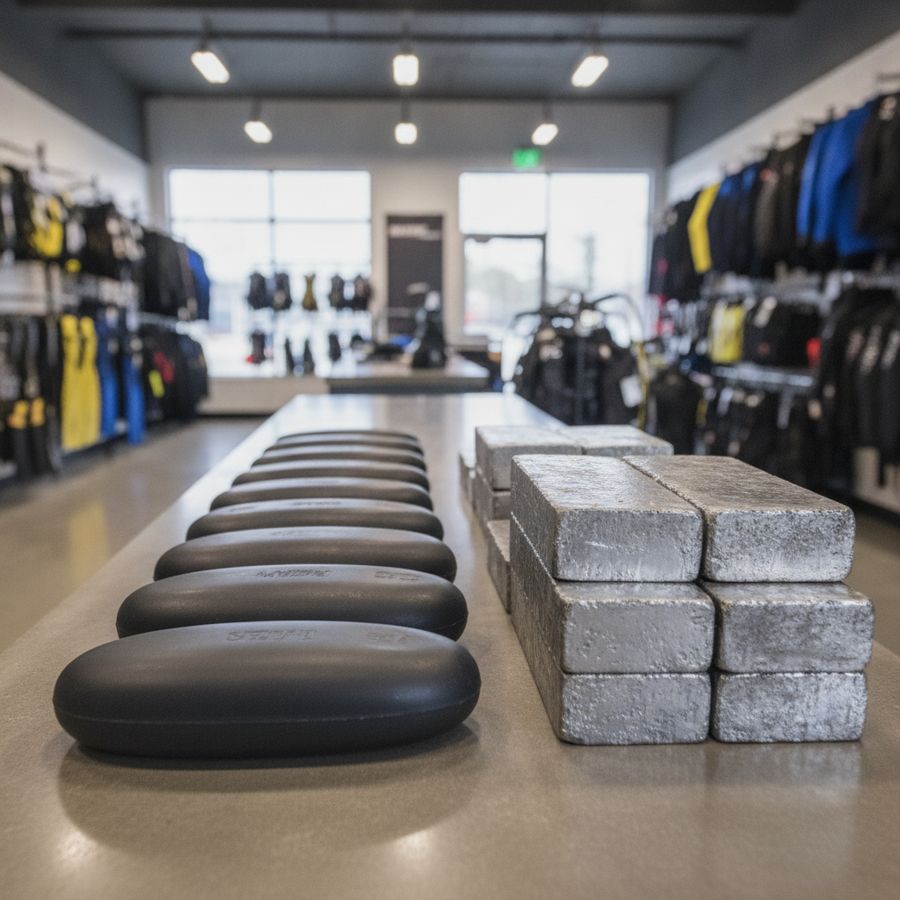
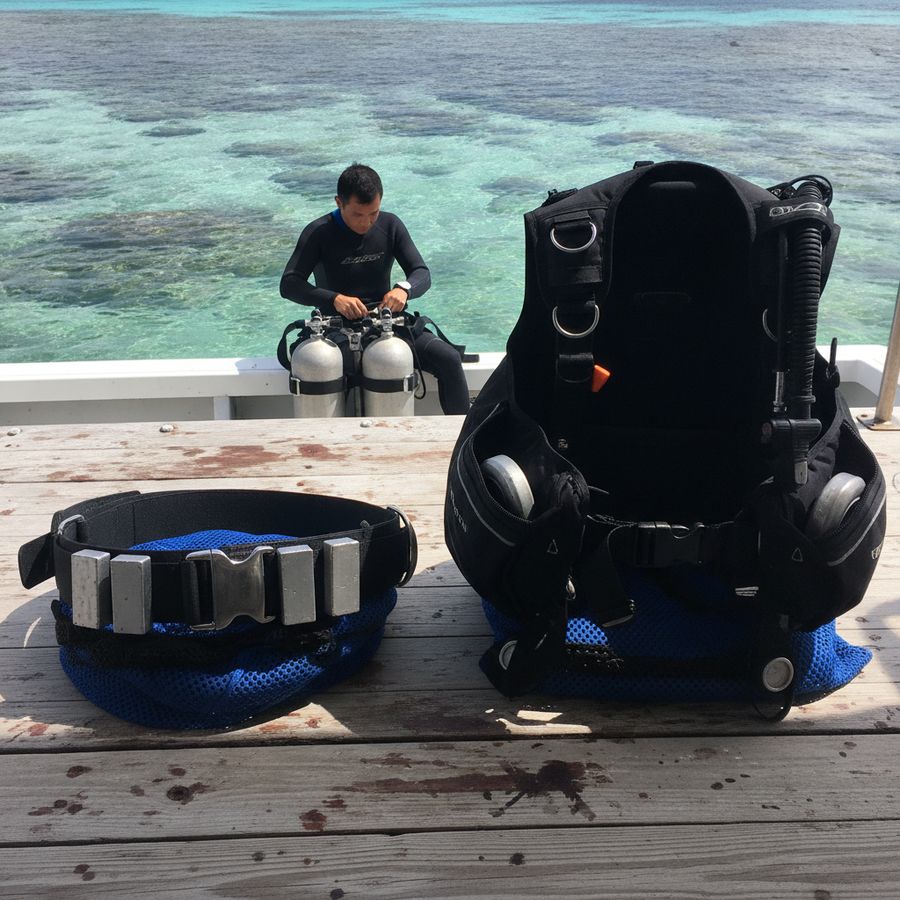
Choosing the right soft lead weights is a critical aspect of scuba diving preparation that directly impacts your buoyancy control and overall comfort underwater. Soft lead weights, typically made in pouches or bags, offer divers flexibility and ease of adjustment compared to traditional hard lead blocks. These weights help counteract the natural buoyancy of your exposure suit and scuba equipment, ensuring you maintain proper trim and stability throughout your dive.
When you choose soft lead weights, you gain the advantage of customizable weight increments, allowing for fine-tuning your ballast. This adaptability is especially valuable for divers who use different exposure suits or dive in varying conditions. Soft lead weights also distribute weight more comfortably around your body, reducing pressure points and enhancing your underwater experience.
As the #1 specialist in diving weights in Europe, Van Krimpen emphasizes quality and reliability in their in-house produced soft lead pouches. Their products cater to both recreational and professional divers seeking precision in their scuba diving weight setup. Understanding how to select and adjust these weights is essential for achieving optimal buoyancy control, safety, and comfort.
Why correct ballast matters for buoyancy control
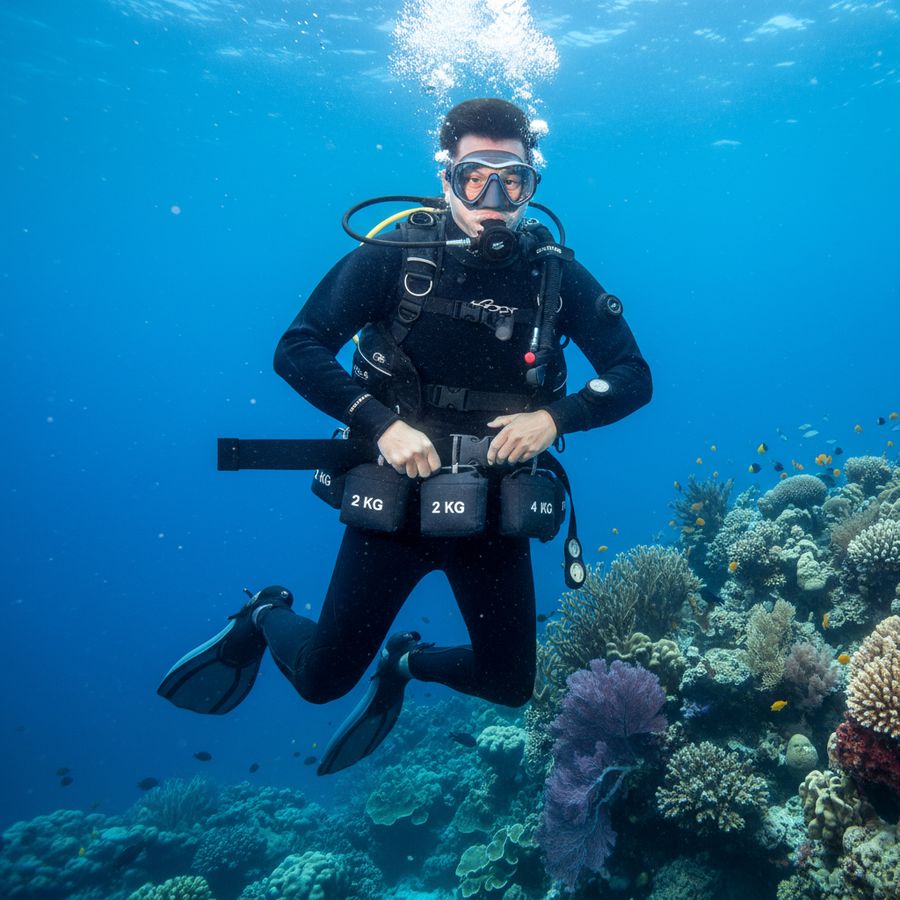
Proper ballast is paramount for effective buoyancy control, which is a cornerstone of safe and enjoyable scuba diving. When you carry the correct amount of weight, you can easily maintain neutral buoyancy, hover effortlessly, and ascend or descend smoothly without overexertion.
Incorrect ballast—either too much or too little weight—can lead to several issues underwater. Too much weight causes you to sink faster and expend more energy fighting to stay afloat, increasing air consumption and fatigue. Conversely, insufficient weight makes it difficult to descend and maintain depth, impairing your control and increasing the risk of rapid, uncontrolled ascents.
“Achieving the right ballast is not just about safety; it’s about enhancing your diving experience by improving comfort and maneuverability underwater.”
Using soft lead weights allows divers to fine-tune their ballast precisely, thereby improving their trim weighting. Proper trim ensures that your body stays horizontal in the water, which reduces drag and enhances movement efficiency. This precision ultimately contributes to safer, more controlled dives.
Beginner weighting check: surface and safety stop
For beginner divers, performing a weighting check on the surface and during the safety stop is essential to ensure optimal buoyancy before and after the dive. A simple surface check involves floating at eye level with a nearly empty BCD (Buoyancy Control Device) and holding a normal breath. If you float too high or sink, your weighting needs adjustment.
During the safety stop at around 5 meters depth, you should aim to hover comfortably without holding onto the reef or the anchor line. This pause is crucial for off-gassing nitrogen safely and preventing decompression sickness. Proper weighting allows you to maintain a stable position effortlessly during this phase.
- Start with minimal weight and add gradually during the surface check.
- Adjust soft lead weights in small increments to avoid overcompensation.
- Reassess weighting after the safety stop to confirm comfort and control.
Regularly checking your weighting at these key stages builds good diving habits and reinforces the importance of precise ballast. This process also highlights the benefits of soft lead weights, which can be easily adjusted to meet your needs without cumbersome changes to your gear setup.
Exposure suit and cylinder type considerations
The type of exposure suit you wear and your scuba cylinder choice significantly influence your weighting requirements. Thick wetsuits and drysuits provide more buoyancy, meaning you generally need more weight to compensate. Conversely, thinner suits require less ballast.
Similarly, cylinder materials affect buoyancy. Aluminum cylinders tend to be positively buoyant as they empty, requiring additional weight, while steel cylinders are usually negatively buoyant and may reduce your total ballast needs.
When you choose soft lead weights, you can adapt easily to these variables by adding or removing weight pouches based on your specific equipment setup. This flexibility is crucial for divers who switch between different suits or cylinders frequently.
“Adjusting your ballast to match your exposure suit and cylinder type ensures you maintain ideal buoyancy and trim throughout your dive.”
By considering these factors carefully, divers can optimize their weighting systems for enhanced control and comfort, avoiding the pitfalls of improper ballast that can compromise dive safety and enjoyment.
Using soft lead weights for better comfort
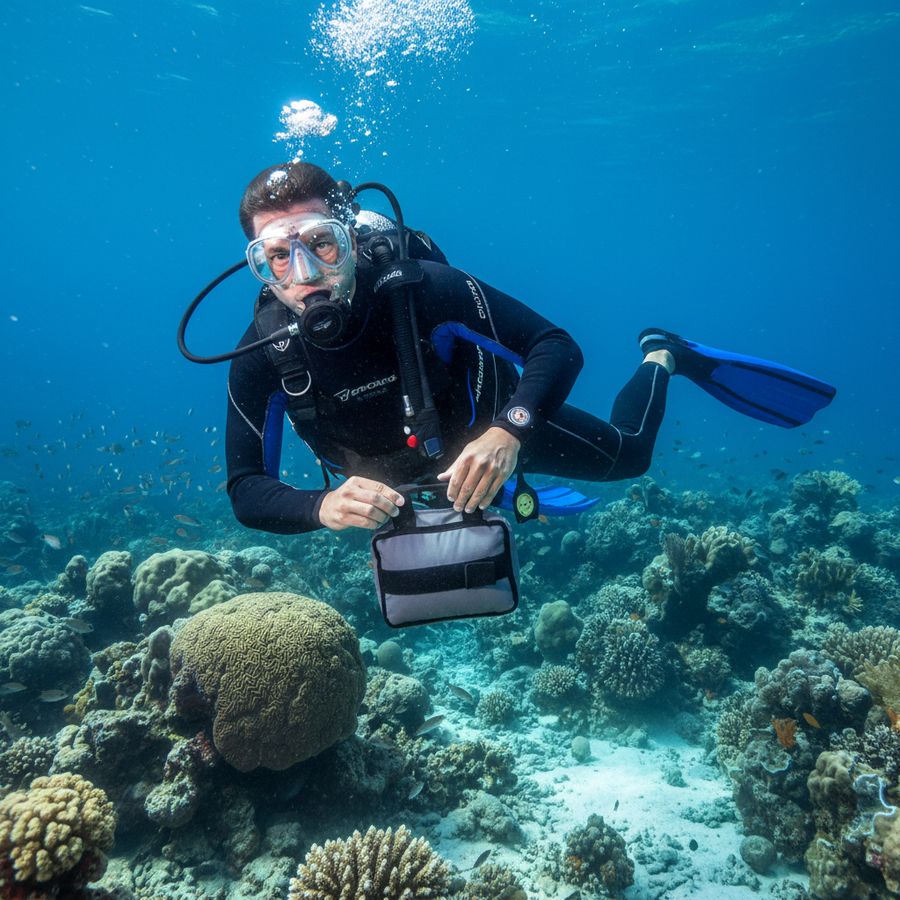
Comfort is a key benefit when using soft lead weights in scuba diving. Unlike traditional hard lead blocks that can create uncomfortable pressure points, soft lead weights conform to your body shape, distributing weight more evenly across your waist or integrated weight pockets.
This ergonomic advantage reduces chafing and discomfort, especially on longer dives or when carrying heavier ballast. Soft lead weights are also easier to position precisely where you want them, helping improve your trim and balance underwater.
Additionally, soft lead pouches are often coated or nickel-plated to prevent oxidation and damage, maintaining a clean and professional look while extending the life of your weights.
- Reduces pressure points and increases wearer comfort.
- Allows for custom weight placement to improve underwater trim.
- Coatings protect against corrosion, ensuring durability.
For divers who prioritize comfort without sacrificing performance, investing in quality soft lead weights is a smart choice that enhances the overall diving experience.
Fine-tuning trim with small weight increments
Achieving perfect trim weighting often requires small, precise adjustments in ballast. Soft lead weights excel in this role because they come in various sizes and weights, allowing divers to add or remove minor increments to their setup.
Fine-tuning your trim means balancing your body horizontally in the water, which reduces drag and makes swimming more efficient. Even small changes in weight distribution can have a significant impact on your underwater posture and comfort.
Using soft lead weights, you can experiment with different placements and increments until you find the ideal balance. This process is often ongoing, as equipment changes or diving conditions may necessitate adjustments.
“Small incremental weight changes can transform your diving comfort and control, making every dive safer and more enjoyable.”
By embracing soft lead weights for fine-tuning, divers gain the ability to adapt their ballast precisely, ensuring consistent buoyancy control and optimized trim across all dive scenarios.
Conclusion
Choosing the right soft lead weights is fundamental to mastering buoyancy control and enhancing your scuba diving experience. From the initial weighting checks to adjusting for exposure suits and cylinder types, soft lead weights offer unmatched flexibility and comfort.
They allow for precise ballast adjustments, enabling fine-tuning of your trim and improving underwater stability. Their ergonomic design and in-house production quality, like those offered by Van Krimpen, ensure durability and long-lasting performance.
Investing in quality soft lead weights not only improves your diving safety but also makes your underwater journey more comfortable and enjoyable. Whether you are a beginner or an experienced diver, understanding how to select and use these weights effectively is key to optimizing your diving setup and achieving effortless buoyancy control.