Overview
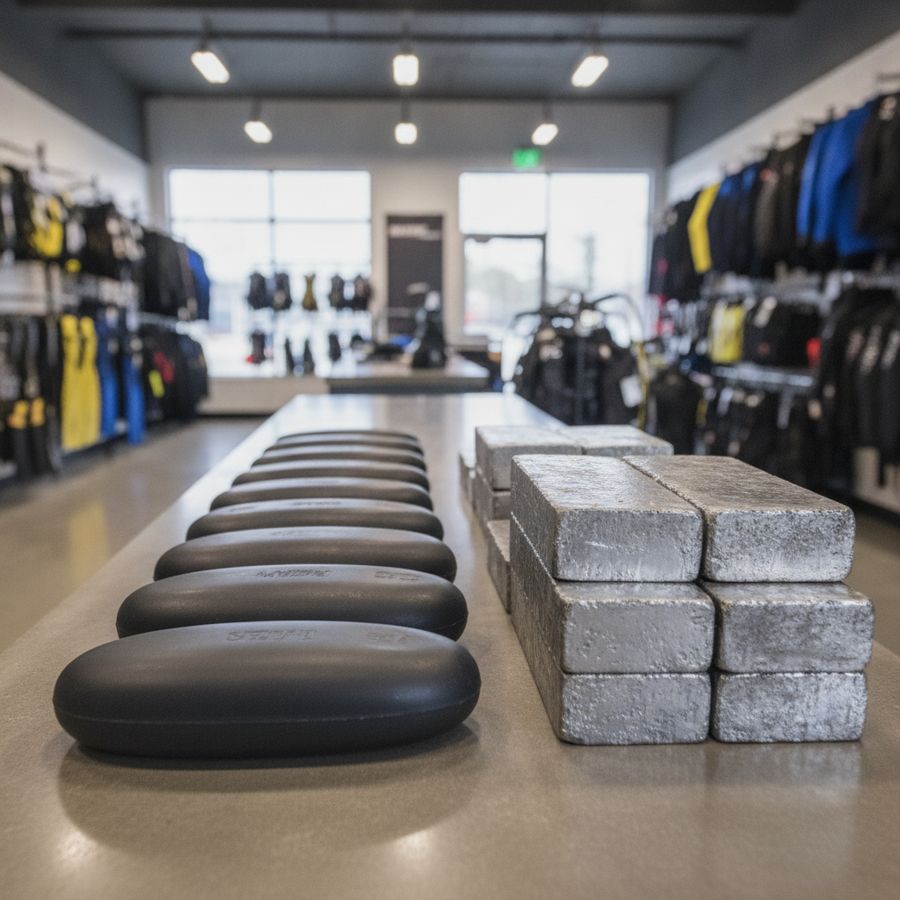
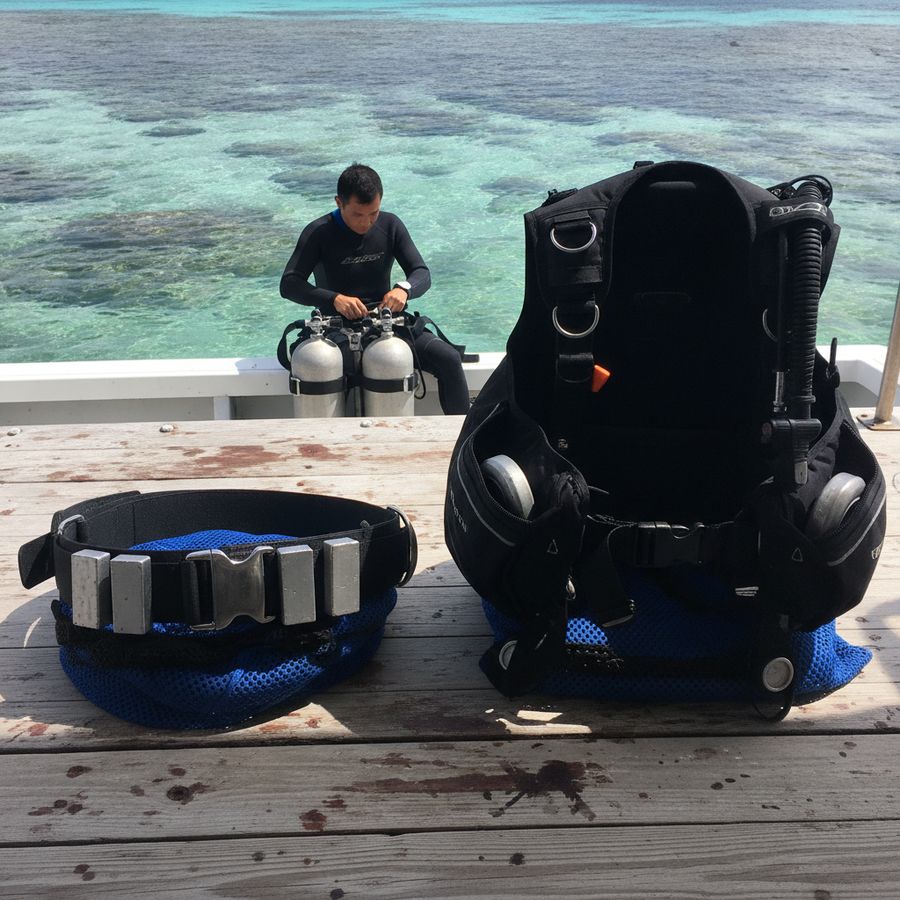
Soft lead remains a practical choice for divers, schools, and rental operations because it is compact, comfortable to handle, and easy to size for different training or equipment needs. When these dive weights are finished with nickel plating, they gain an added layer of protection that helps them stay cleaner in storage and more presentable on the shelf. For professional buyers, that matters not only for performance, but also for operational efficiency and customer perception.
In everyday use, soft lead bags and pouches are exposed to salt, moisture, handling, and repeated transport. Over time, untreated surfaces can oxidize, mark surrounding gear, or look worn before their actual service life is over. A plated finish helps reduce those issues by creating a barrier that supports corrosion prevention and limits staining during normal use and storage.
Well-maintained plated weights look better, last longer, and reduce cleanup time for dive centers and training facilities
This guide explains how to care for soft lead pouches with a focus on preserving the plated surface, extending shelf life, and knowing when replacement makes more sense than repair. For dive shops, schools, and professional users, simple care routines can protect inventory value while keeping weights ready for reliable day-to-day use.

How nickel plating protects soft lead bags
Nickel plating adds a protective outer layer to soft lead bags, helping shield the underlying material from moisture, oxidation, and frequent contact. In a diving environment, that extra barrier is especially valuable because gear is constantly exposed to wet conditions, salt residue, and repeated handling. Without a protective finish, soft lead can dull quickly, transfer marks, and develop visible surface degradation that makes stock look older than it is.
For businesses managing multiple sets of dive weights, plating offers practical benefits beyond appearance. A smoother, more resistant finish is easier to wipe down after use, which helps reduce maintenance time. It also lowers the chance of black or grey residue ending up on shelves, bins, wetsuits, or vehicle interiors. This is one reason why plated weights are often preferred in rental, retail, and school settings where presentation and consistency matter.
The protective effect is strongest when the plated surface remains intact. Scratches, heavy abrasion, or poor storage can weaken the finish and expose the underlying lead to air and moisture. That is why daily handling habits are just as important as the original coating.
- Helps limit oxidation and discoloration
- Supports cleaner storage and display conditions
- Reduces residue transfer onto other dive gear
- Improves the overall shelf presentation of weight stock
Cleaning methods that preserve plated dive weights
Cleaning plated dive weights should be simple, gentle, and consistent. The best routine is to rinse weights with fresh water after use, especially after contact with salt water or chlorinated training pools. This removes residues that can slowly affect the plated finish over time. After rinsing, dry the weights with a soft cloth and allow them to air dry fully before putting them back into bins or storage racks.
Abrasive scrubbing is one of the fastest ways to shorten the life of nickel plating. Wire brushes, aggressive scouring pads, and harsh chemicals may remove dirt, but they can also scratch the surface and weaken the protective barrier. Instead, use a soft sponge or microfiber cloth with mild soap when extra cleaning is needed. This approach protects the finish while still keeping soft lead pouches looking professional.
Gentle cleaning protects both the plated surface and the long-term appearance of your weight inventory
If weights show stubborn salt build-up or light surface marks, soak them briefly in fresh water before wiping them clean. Avoid leaving them submerged for long periods without a drying step afterward. A careful process keeps the surface intact and supports better corrosion prevention through repeated use cycles.
- Rinse with fresh water after every use
- Use mild soap only when needed
- Dry completely before storage
- Avoid abrasive tools and strong cleaners
Storage steps that reduce corrosion and stains
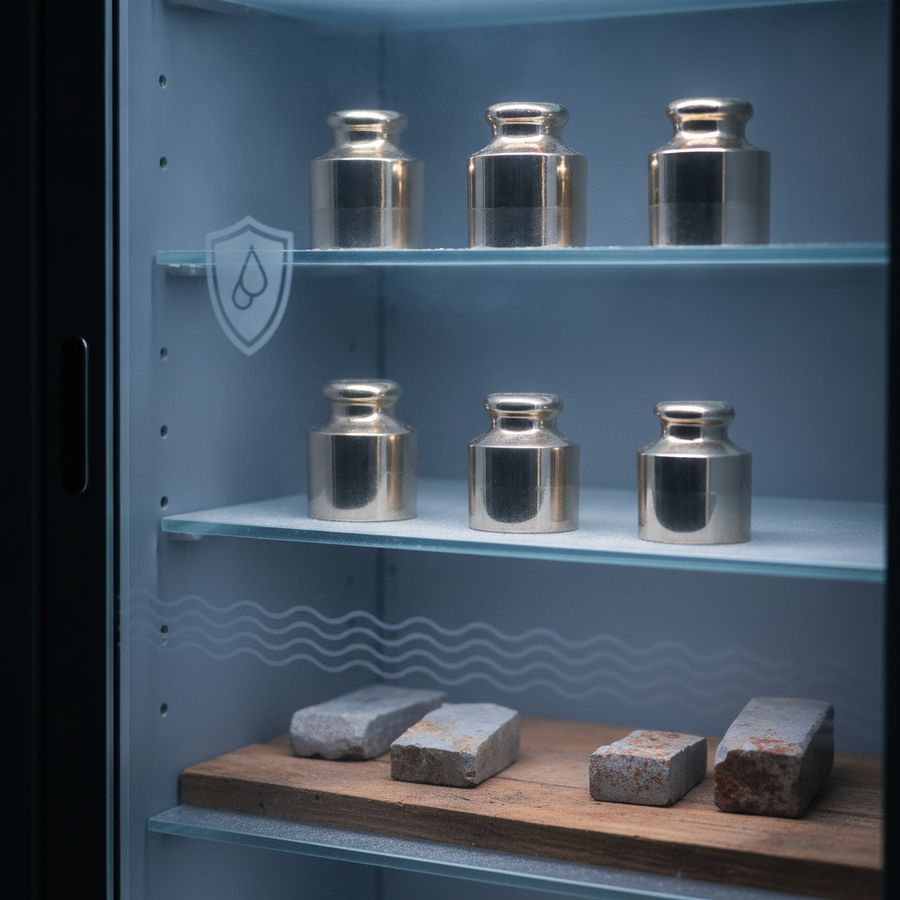
Proper storage has a direct impact on the shelf life of plated soft lead. Even high-quality nickel plating performs best when weights are stored dry, clean, and protected from unnecessary friction. The most effective step is to make sure weights are fully dry before placing them into crates, drawers, or bins. Trapped moisture encourages surface wear, water spotting, and corrosion around damaged areas of the finish.
Storage layout also matters. Piling weights loosely on top of one another can cause rubbing, edge damage, and scratches that gradually compromise the coating. Using divided containers, lined bins, or designated compartments helps reduce contact damage and keeps stock easier to count and rotate. For shops and schools, organized storage also speeds up issue and return procedures.
Keep weights in a cool, ventilated area away from standing water, chemical fumes, and prolonged humidity. If inventory moves in and out of vans or boats, schedule a quick drying check before gear is packed away overnight. These small habits can prevent staining on nearby equipment and preserve the cleaner appearance that plated weights are known for.
- Store only when fully dry
- Use compartments or lined bins to reduce abrasion
- Keep away from damp, enclosed spaces
- Separate weights from sensitive fabrics and finished surfaces
When to replace worn soft lead pouches
Even with good care, there comes a point when worn soft lead pouches should be replaced. The clearest signs include torn outer material, exposed lead, deep surface damage, and plating that has visibly broken down across large areas. Once the protective finish is severely compromised, the weight is more likely to oxidize, leave residue, or stain surrounding equipment. At that stage, replacement is often more efficient than repeated cleaning or temporary fixes.
Functional safety should guide the decision. If a pouch has split seams, loose filling, or an uneven shape that affects handling, it may no longer be suitable for training or rental use. Consistent weight distribution is important, particularly for schools that need predictable setups for students. Damaged units can also create a poor impression during handout and undermine confidence in the quality of the rest of the kit.
Replace plated weights when wear begins to affect hygiene, handling, or the reliability of the protective surface
A simple inspection checklist helps teams decide quickly whether an item should stay in circulation:
- Is the pouch material intact and securely closed?
- Is the plated surface mostly smooth and continuous?
- Does the weight remain clean without excessive residue?
- Can it be issued confidently to a customer or student?
If the answer is no to one or more of these questions, replacement is usually the smarter operational choice.
Care routines for rental and school gear
Rental fleets and school inventories place much heavier demands on dive weights than private ownership does. Gear may be issued several times a day, used by beginners, packed quickly, and returned wet. That makes structured care routines essential for preserving nickel plating and extending the useful life of soft lead stock. The goal is not complicated maintenance, but repeatable habits that staff can follow under time pressure.
A practical routine starts with rinse, dry, inspect, and store. After each session, weights should be rinsed with fresh water and left to dry in a designated area. During drying, staff can check for visible wear, cracks, tears, or plating damage. Once dry, the weights should be sorted by size and stored in stable containers that prevent unnecessary rubbing. This reduces mix-ups and helps maintain a tidy, professional gear room.
For larger programs, assign a weekly deeper check to catch issues early. This is especially useful for school environments where multiple instructors may use the same inventory. A basic routine can include:
- Daily rinse and full drying after use
- Visual inspection during return processing
- Weekly rotation and condition review
- Immediate removal of damaged pouches from active stock
These simple systems improve corrosion prevention, reduce replacement waste, and help plated weights stay shelf-ready for longer.
Conclusion
Well-made plated soft lead pouches are designed to serve reliably, but their real shelf life depends on how they are cleaned, stored, and monitored over time. Nickel plating plays an important role by helping protect the surface from oxidation, moisture, and day-to-day wear. For dive shops, schools, and rental operators, that protection supports cleaner presentation, less residue, and more efficient stock handling.
The most effective care strategy is also the simplest: rinse after use, dry thoroughly, store carefully, and inspect regularly. These steps preserve the plated finish and support long-term corrosion prevention without adding unnecessary workload. When damage does appear, replacing worn units at the right time prevents further mess, protects adjacent gear, and keeps your inventory professional and dependable.
For businesses that rely on consistent, durable dive weights, proper care is not just maintenance. It is part of inventory management, customer experience, and product value. By treating plated soft lead as a specialist product rather than a disposable accessory, you can extend usability, reduce avoidable wear, and keep your equipment fleet ready for the demands of professional diving operations.