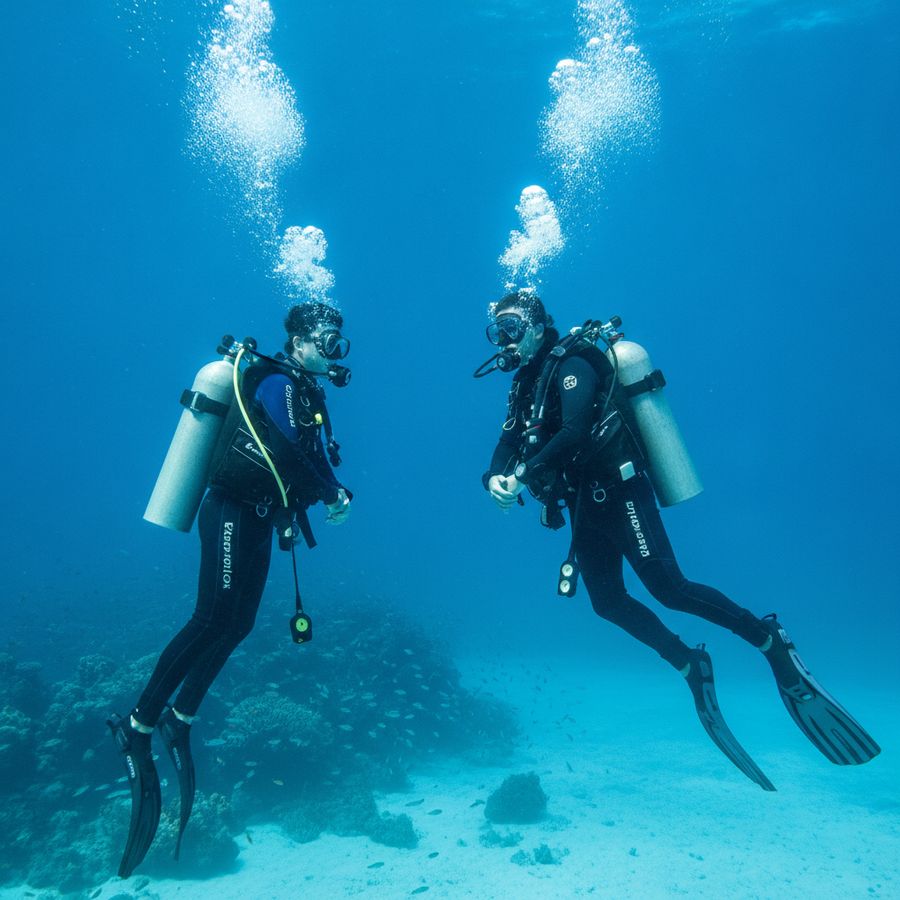
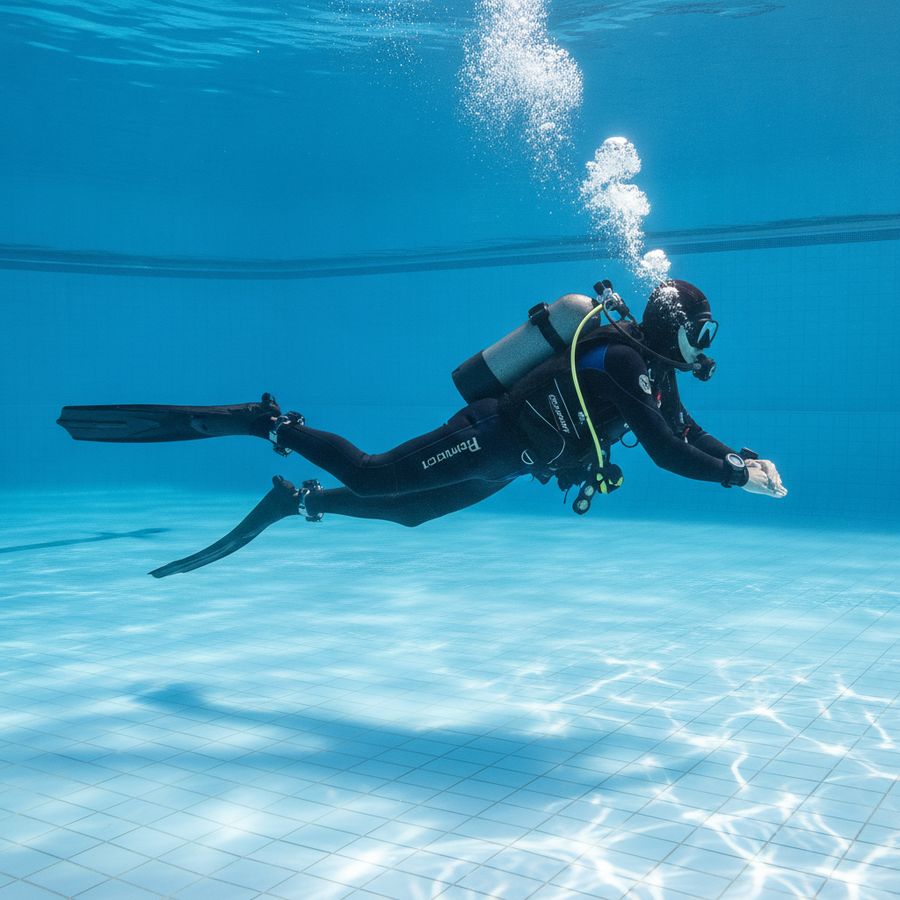
Small ballast errors become large trim penalties
In technical diving, a weight difference that looks minor on land can become a serious problem underwater. A half-kilo placed too far forward or too low on the body may be enough to create persistent trim mistakes, especially when the diver is carrying multiple cylinders, a drysuit, and redundant equipment. The issue is not only total ballast, but where that ballast sits relative to the diver’s center of gravity and buoyancy.
Good tech diving weight setup starts with the idea that trim is a system. If the feet drop, the diver often compensates by sculling, bending at the knees, or inflating the wing more than needed. Those small corrections add drag, reduce stability, and make precise depth control harder during shutdowns, valve drills, and decompression stops.
Perfect trim is rarely achieved by adding more lead. It is usually achieved by putting the right amount of lead in the right place.
Because tech equipment magnifies imbalance, even soft lead pouches, trim pockets, or small block weights should be treated as fine-tuning tools rather than random fixes. Divers who review ballast distribution early usually discover that a slight repositioning of weight can improve horizontal posture more than adding another kilogram ever could.
What mistakes appear most in twinset dives?
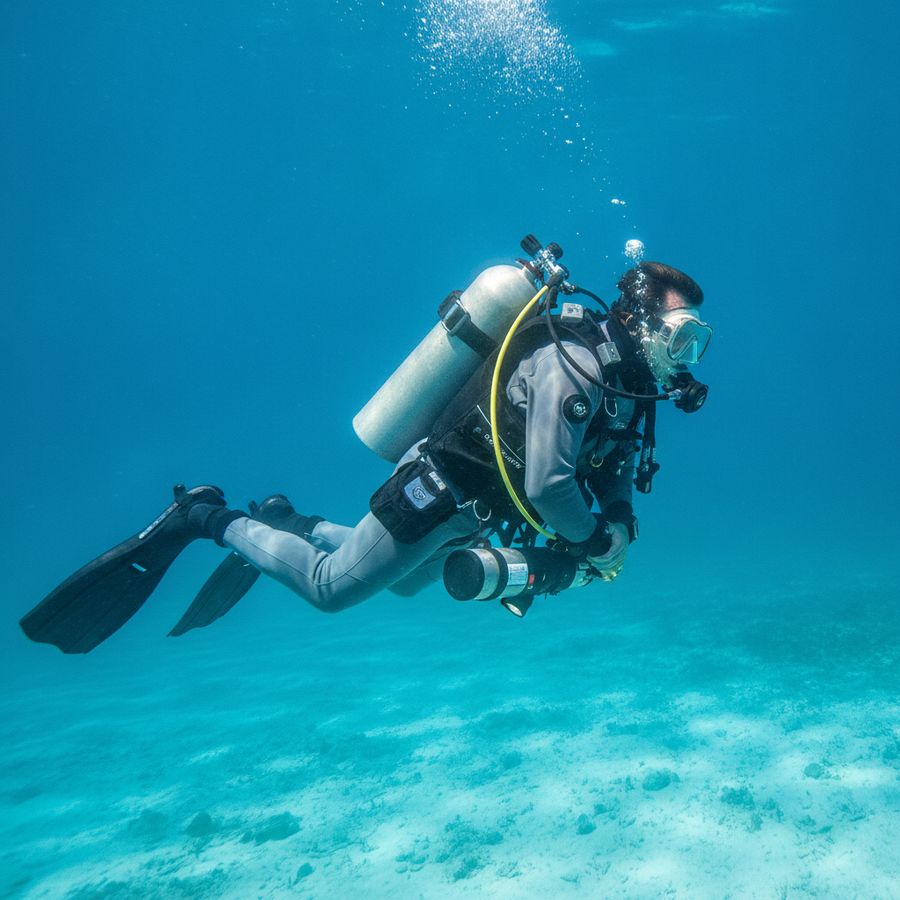
Twinset weighting problems usually begin with divers solving one symptom while ignoring the underlying cause. A common mistake is carrying too much lead because the weighting check was done with nearly full cylinders, excessive suit inflation, or an unrealistic amount of gas remaining. The result is a diver who is heavy throughout the dive and must manage extra wing gas, which can worsen trim and increase instability.
Another frequent error is relying on the waistband or lower back for most ballast. In twinsets, that often pulls the hips down and makes the knees drop. Others place all correction weight on upper tank bands without checking whether the issue is actually leg float, suit gas trapping, or poor cylinder position. Small adjustments to band height, backplate choice, and cylinder alignment can matter as much as lead placement.
Too much total ballast for the exposure suit and cylinders used
All ballast concentrated at the waist
Ignoring cylinder pressure changes during the dive
Copying another diver’s setup without testing it personally
The best twinset divers treat weighting as part of configuration, not an afterthought. A clean, repeatable setup makes propulsion easier, improves valve access, and reduces the constant micro-corrections that quietly waste energy and gas.
Why do ankle weights mask bigger issues?
Ankle weights are one of the most common shortcuts in technical diving, yet they often hide a larger trim problem instead of solving it. When a diver’s feet rise, the real cause may be excess gas in the drysuit legs, fins that are too buoyant, a harness that places ballast too high, or simply too much total lead that forces extra inflation elsewhere. Adding weight at the ankles can make the symptom less visible while preserving the flawed setup.
That does not mean ankle weights are always wrong. In a few cases, they are a practical tool for divers using specific fin models or drysuit combinations. But they should be introduced only after more important variables have been checked. Otherwise, the diver creates a chain reaction: heavier feet, more effort to kick, more fatigue in current, and less efficient propulsion over the whole dive.
Ankle weights should be the final adjustment, not the first response.
If a diver feels dependent on ankle weights in every configuration, it is worth rechecking the entire tech diving weight setup. Often the better answer is redistributing ballast closer to the torso, refining fin choice, or improving drysuit gas management. That leads to a cleaner profile and a more controlled, less tiring position underwater.
Stage bottle changes alter balance underwater
Many divers build a tidy baseline configuration with twinsets, then forget how much a stage cylinder changes body position during the dive. A full aluminum or steel stage shifts mass to one side, alters roll stability, and changes how the diver trims while moving, stopping, or holding a decompression position. As gas is breathed down, that effect changes again. This is why stage management is inseparable from trim mistakes and weighting decisions.
The most common issue is setting all ballast for the diver without considering where stage cylinders will ride when full, half full, and nearly empty. A stage clipped too low can drag the front of the body downward. One clipped poorly at the top may flare away from the diver, increasing drag and encouraging asymmetric posture. Divers then compensate with finning or shoulder tension rather than correcting the real problem.
To reduce these balance shifts, divers should review both attachment points and body weighting together. Small changes can make a noticeable difference:
Check stage bolt snap positions and hose routing
Confirm the cylinder stays streamlined as gas volume changes
Test trim with the stage on both at the start and near the end of a dive
A balanced stage setup improves more than comfort. It supports better buoyancy control, smoother propulsion, and cleaner task loading when the dive becomes busy.
How should divers verify weighting in shallow water?
A proper shallow water check is one of the simplest ways to prevent recurring trim problems. It should be done in full diving equipment, with the actual cylinders, undergarments, suit, reels, lights, and accessories used for the planned dive. Anything less produces misleading results. Technical divers need to know not only whether they can hold a stop, but whether they can do so in a relaxed, horizontal posture.
Start in shallow water near the end-state gas target appropriate for the dive plan. The diver should establish neutral buoyancy at a shallow stop depth with minimal movement, then observe what the body naturally does. If the feet sink, head drops, or one side rolls, that indicates a placement problem rather than just a buoyancy problem. This is where video from a teammate or instructor is especially useful.
A weighting check is complete only when both buoyancy and body position are verified together.
During the check, assess these points:
Can the diver hold depth without sculling?
Is the torso level and stable?
Does the diver need extra suit or wing gas to look balanced?
Do stage or deco cylinders change the result?
A disciplined shallow water check creates a repeatable starting point. It also shortens future troubleshooting because adjustments can be made from evidence instead of guesswork.
Placement errors that increase gas consumption
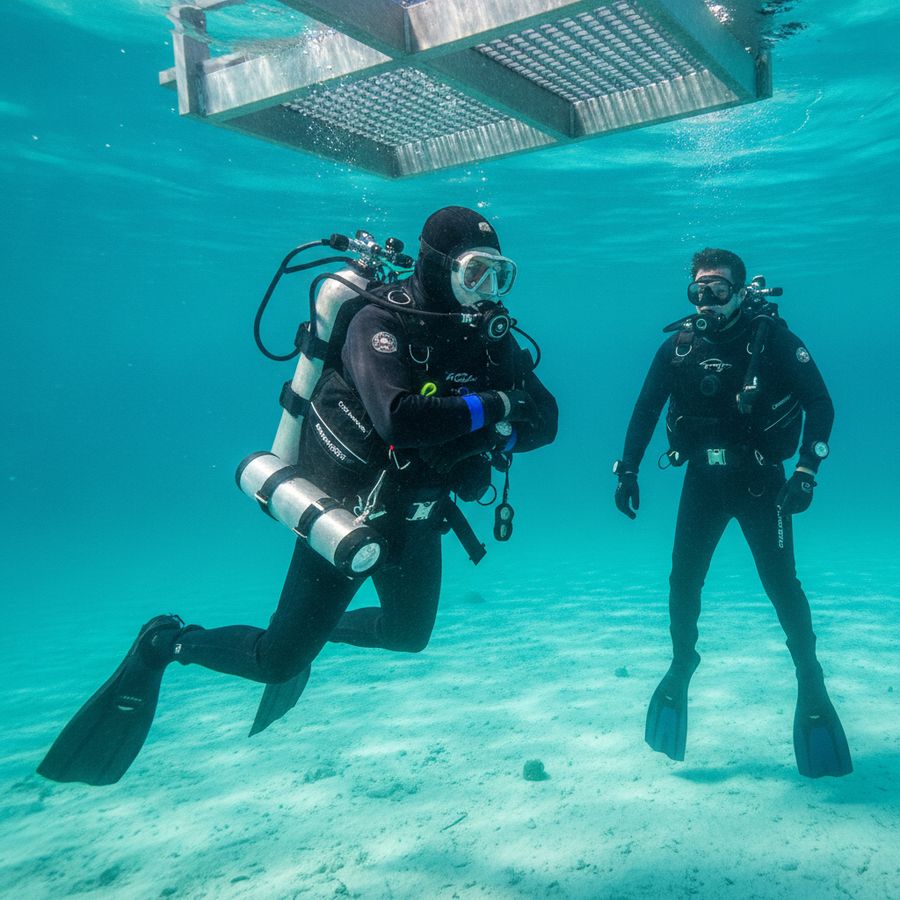
Poor ballast placement does more than ruin trim; it often increases gas consumption in ways divers do not immediately notice. When weight is badly distributed, the diver spends the entire dive making subtle corrections with the fins, lower back, shoulders, or hands. None of that effort feels dramatic, but over an hour it adds up to higher breathing rate, more carbon dioxide buildup, and less reserve for stressful moments.
A diver who is tail-heavy may bicycle the fins constantly to stay level. A diver who is head-heavy may arch aggressively, creating tension through the spine and neck. If weight is uneven from left to right, every kick cycle becomes less efficient because the body wants to roll. These are classic trim mistakes that quietly translate into wasted propulsion and more drag through the water.
Common placement errors include putting all lead on a belt, stacking too much weight high on the cam bands, or using ad hoc pouches without testing their effect. The goal is a compact, stable center of mass that supports a flat profile without muscular effort.
When divers correct twinset weighting and overall balance, they often discover an immediate improvement in gas efficiency. Better trim means less resistance, fewer corrections, and more relaxed breathing—especially during long swims, scooter work, and decompression where precision matters most.
Corrective adjustments before the next training day
Before the next pool session or open-water training day, divers should avoid random changes and make only measured adjustments. Start by reviewing notes from the previous dive: gas carried, suit used, cylinder type, where ballast was placed, and what specific trim problem appeared. If the feet dropped, for example, do not automatically add ankle weights. First ask whether the diver was over-weighted, trapping suit gas, or carrying stage cylinders in a way that shifted balance.
A practical correction plan should focus on one variable at a time. Move a small amount of lead, change the location of trim pockets, alter stage clipping, or swap fins—but not all in the same session. That makes the result easy to evaluate. Divers who change everything at once usually end up guessing again after the next dive.
Record the exact ballast amount in kilograms
Note where each weight was placed
Test only one adjustment per dive if possible
Repeat a shallow water check after every meaningful change
For teams, consistency is essential. Instructors and dive centers rely on dependable, durable weighting options that ensure a repeatable setup across training days. The ultimate aim is not just to pass a check, but to develop a stable tech diving weight setup that stays predictable as dives grow deeper, longer, and more complex.
FAQs
What is the most common tech diving weight setup mistake?
One of the most common mistakes is carrying too much total ballast and then trying to fix the resulting trim problems with more lead or poor placement. In twinset and stage configurations, excess weight forces the diver to carry extra gas in the wing or suit, which often makes posture and stability worse.
Why are ankle weights usually not the first solution for trim mistakes?
Ankle weights can hide the symptom of floating feet without fixing the real cause. The issue may be suit gas trapped in the legs, buoyant fins, poor ballast distribution, or over-weighting, so ankle weights should only be considered after those factors are checked.
How do stage cylinders affect trim and balance underwater?
Stage cylinders shift mass to one side, change roll stability, and alter trim as gas is breathed down. Their attachment points, bolt snap positions, and streamlining should be tested together with body weighting because the balance can be different at the start and end of a dive.
What should a shallow water check include for technical divers?
A proper shallow water check should be done in the full planned configuration, including the actual cylinders, suit, undergarments, accessories, and any stage or deco bottles. The diver should confirm both neutral buoyancy and a relaxed horizontal posture without sculling or unnecessary wing or suit gas.
How can poor ballast placement increase gas consumption?
Bad ballast placement causes constant micro-corrections with the fins, back, shoulders, or hands. That extra effort increases drag, raises breathing rate, and can reduce gas efficiency over the course of a long dive.