
Plomb doux nickelé : entretien et durée de vie

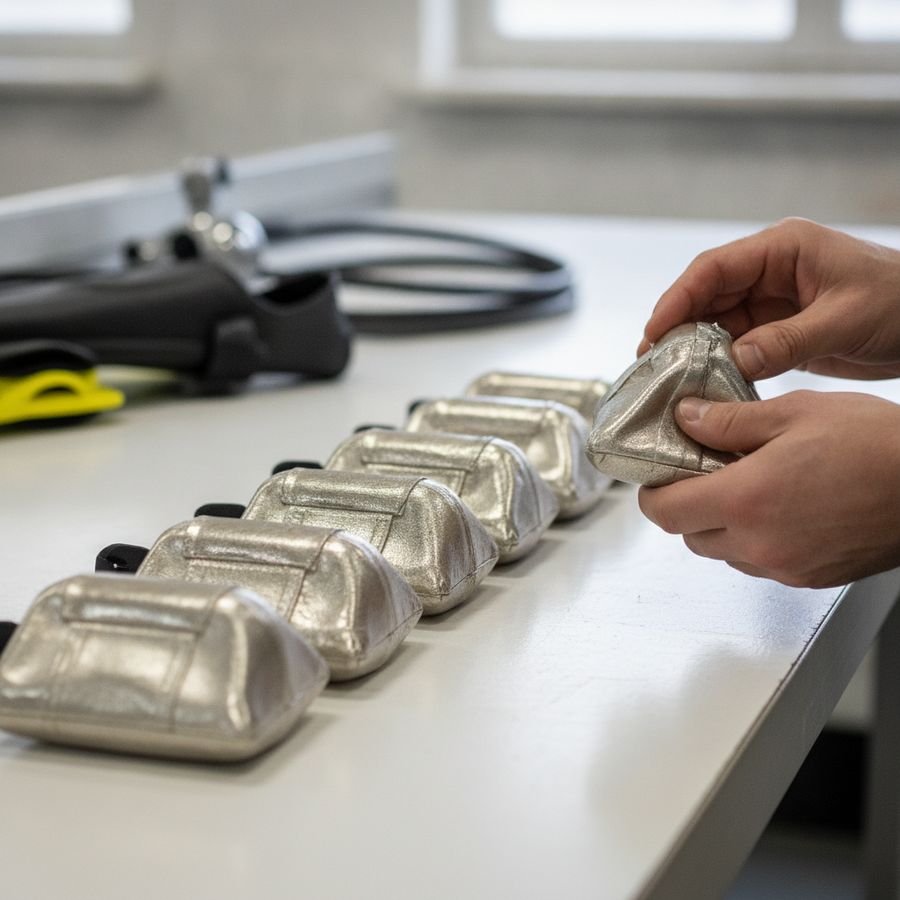
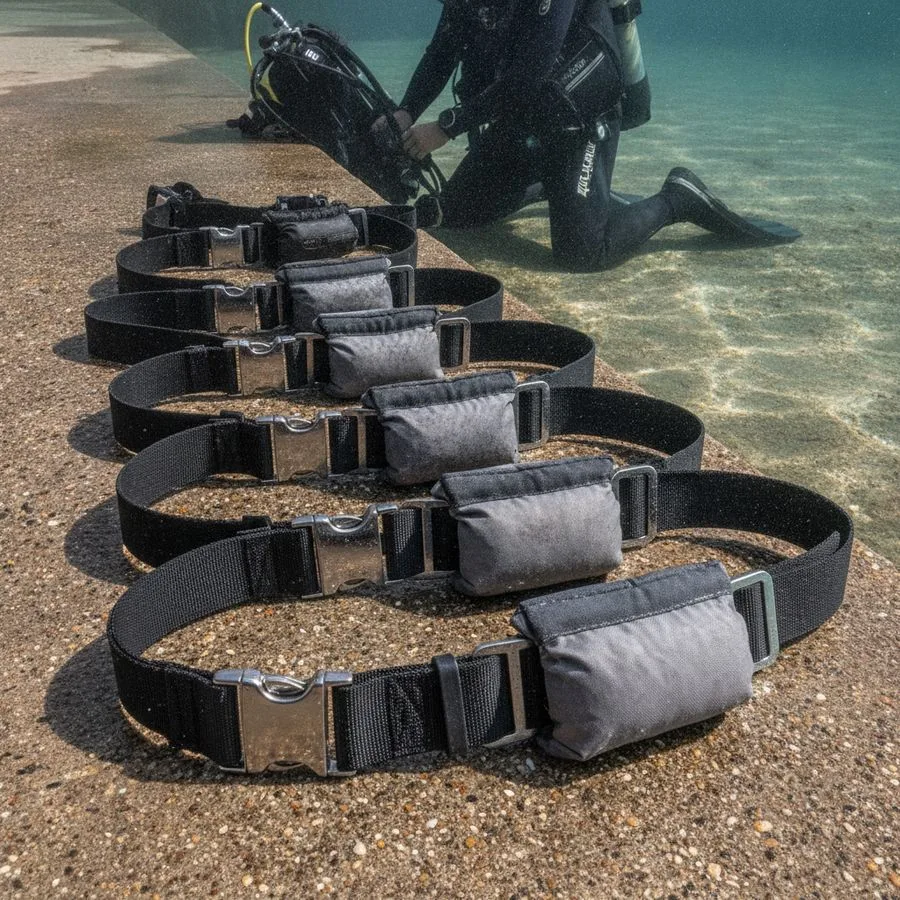
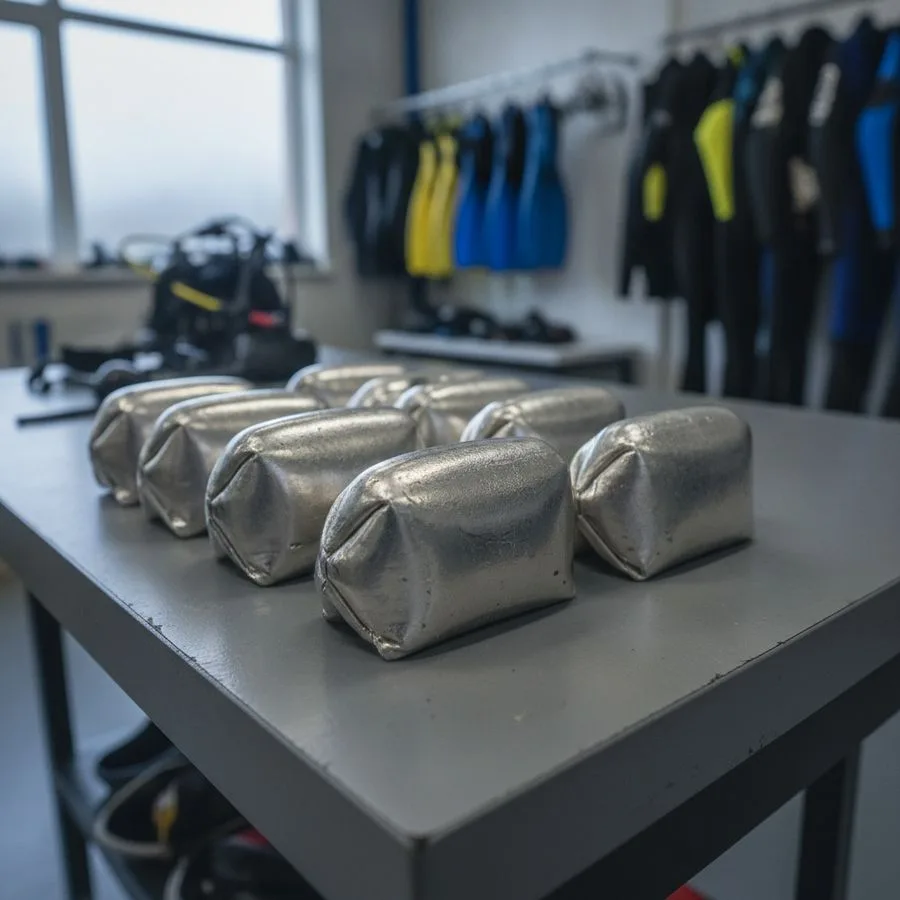
Le plomb doux nickelé est souvent choisi pour son aspect propre, plus uniforme et plus professionnel en rayon comme en utilisation intensive. Mais il est utile de préciser ce que fait réellement le nickelage : il…

Read more

Recycler le plomb doux en sécurité et conformité

Pour recycler le plomb dans de bonnes conditions, la traçabilité n’est pas un détail administratif : c’est la base d’une gestion sérieuse du risque. Dans un atelier nautique, un centre de plongée ou un club, le plomb…

Read more

Plombs revêtus ou bruts : le bon choix achat

Au moment de choisir entre plombs revêtus ou bruts, le prix d’achat unitaire ne suffit pas. Pour un magasin, une école ou un centre, le vrai indicateur est le coût total d’usage sur plusieurs saisons. Un plomb brut…

Read more

Cómo evitar stock muerto en una tienda de buceo

En una tienda de buceo, no todas las referencias de lastre se venden al mismo ritmo. Para evitar stock muerto, conviene identificar primero qué pesos y formatos resuelven la mayoría de necesidades de clientes…

Read more

Sicherer Umgang mit Tauchblei und Oxidation

Blei Oxidation ist im Tauchbetrieb nicht nur ein optisches Thema. Wenn Tauchblei feucht gelagert, häufig angefasst oder in salzhaltiger Umgebung genutzt wird, kann sich mit der Zeit ein heller Belag bilden. Dieser wirkt…

Read more

Éviter le stock mort dans un magasin de plongée

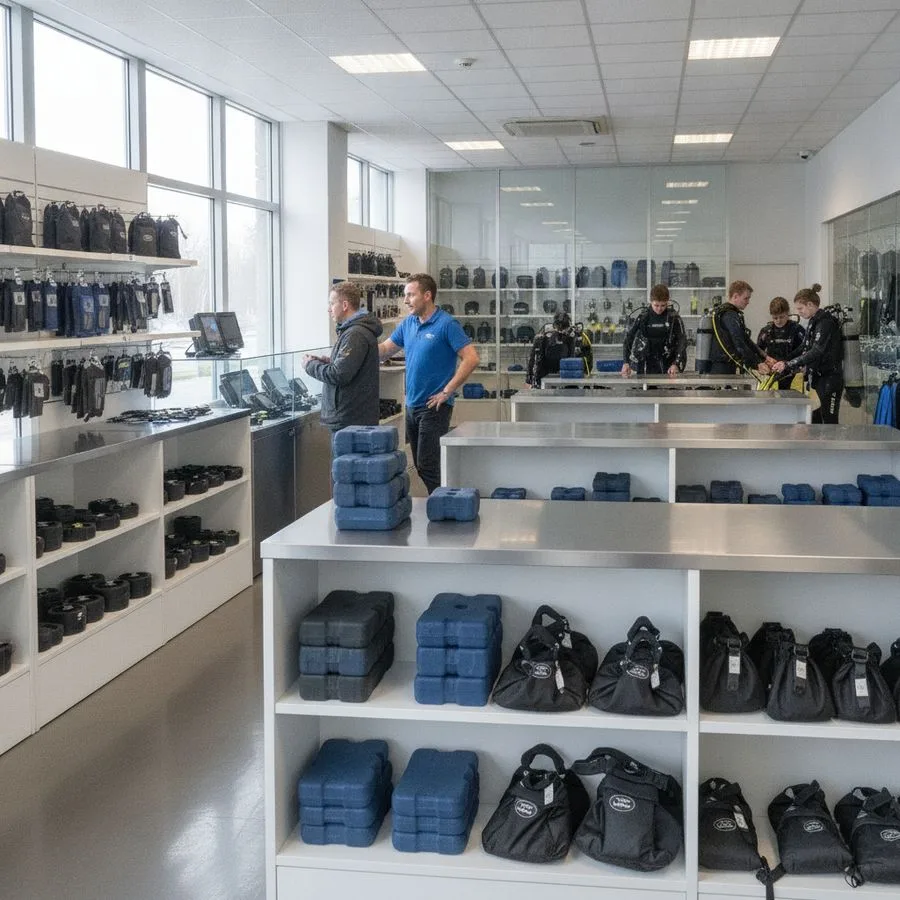
Dans un magasin de plongée, la meilleure défense contre le stock mort plongée n’est pas d’acheter moins, mais d’acheter plus juste. La demande varie fortement selon la zone de chalandise : côte, lac, club associatif,…

Read more

Oxidationsschutz bei Tauchblei im harten Alltag

Im täglichen Verleih fällt schnell auf, wie problematisch ungeschütztes Tauchblei werden kann. Auf rohen Oberflächen entsteht mit der Zeit ein heller Abrieb, der als weißer Bleioxid-Staub sichtbar wird. Dieser Staub…

Read more

Trim en gewichtsverdeling voor recreatief en tech

Veel duikers merken dat dezelfde hoeveelheid ballast in het ene pak, met de ene fles of in een andere configuratie totaal anders aanvoelt. Dat komt omdat trim en gewichtsverdeling niet alleen gaan over hoeveel kilo je…

Read more

Inventory planning for dive shops without dead stock

Many dive retailers assume a bigger wall of products creates a stronger offer. In reality, dive shop inventory performs best when it is built around dependable turnover, not maximum variety. A compact range of the right…

Read more

Qué lastre usar con Mares Horizon y XDeep

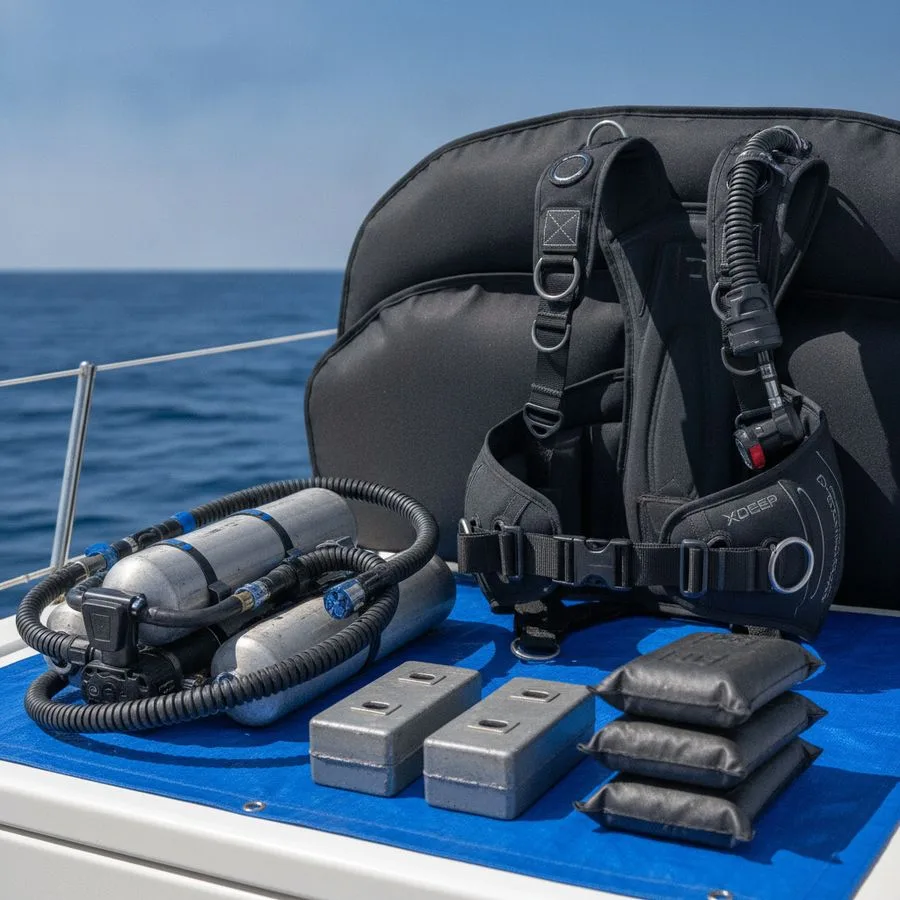
Cuando se habla de compatibilidad lastre Mares Horizon, conviene separar dos cosas: lo que “entra” físicamente en un arnés y lo que realmente funciona bien bajo el agua. El Mares Horizon, como sistema de sidemount…

Read more

Weight Belts, Neck Weights, or Ankle Weights?

Weight belts, neck weights, and ankle weights all change trim in different ways because they shift where mass sits on the body. A traditional weight belt places most of the ballast around the hips, which lowers the…

Read more

XDeep richtig bestücken: So sitzt der Ballast

Bei einem XDeep-System entscheidet die Ballastposition nicht nur über Komfort, sondern direkt über Wasserlage, Stabilität und Kraftaufwand. Viele Taucher verteilen ihre Tauchgewichte zunächst nach Gewohnheit, doch bei…

Read more

Gecoat of ongecoat duiklood: de keuze per duik

Bij de keuze voor gecoat of ongecoat duiklood maakt de gebruiksomgeving het grootste verschil. In een droge opslagruimte lijkt het onderscheid soms klein, maar aan boord, op natte steigers en in lesomgevingen wordt het…

Read more

Dive Shop Inventory Without Dead Stock

For a professional retailer, dead stock inventory is more than an inconvenience. It locks cash into products that are not moving, fills valuable shelving, and makes ordering decisions harder than they need to be. In a…

Read more

Magasin de plongée : éviter le stock mort en saison

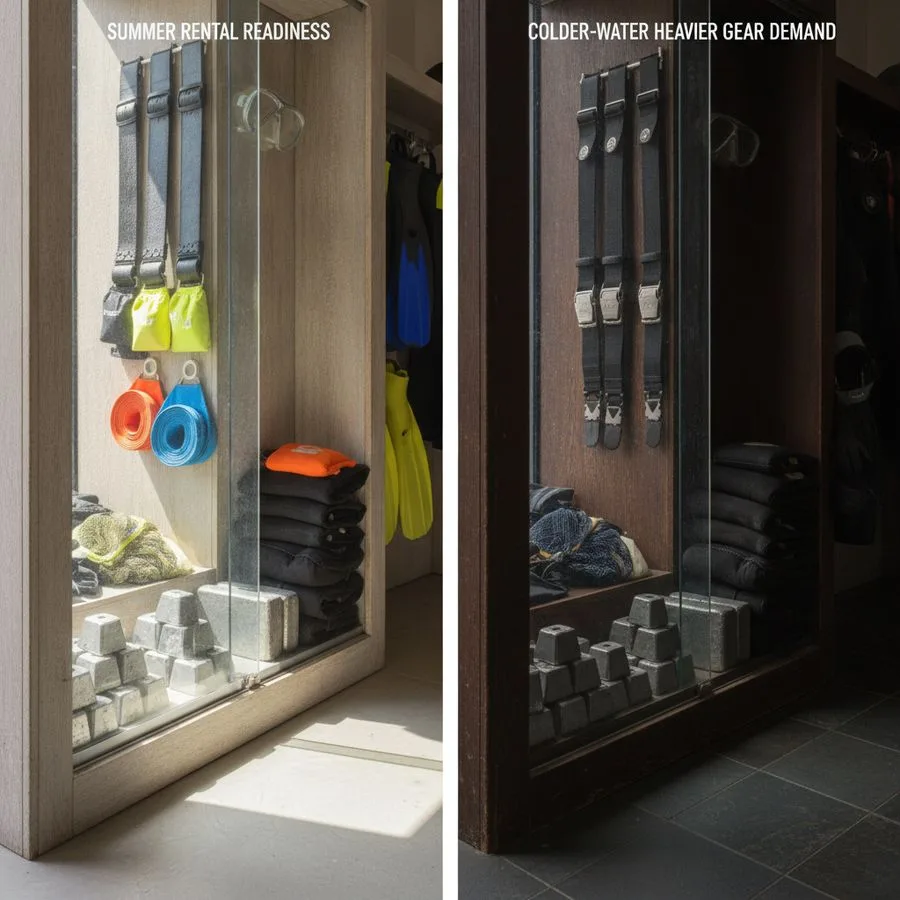
Dans un magasin de plongée, tous les plombs ne se vendent pas au même rythme. Beaucoup de détaillants pensent avoir besoin d’un large mur de références, alors qu’en pratique, une poignée de poids couvre l’essentiel des…

Read more

Compatibilidad de lastre con Mares Horizon y XDeep

Antes de mezclar un sistema de lastre con un equipo como Mares Horizon o una configuración XDeep, conviene revisar tres bases: capacidad real, punto de montaje y comportamiento en el agua. No basta con que el peso…

Read more

Vernikkeld zacht lood: langer netjes in gebruik

Vernikkeld zacht lood is populair omdat het een praktisch antwoord geeft op een bekend probleem: kaal softlood kan na verloop van tijd oxideren, afgeven en er snel gebruikt uitzien. Voor duikscholen en duikwinkels telt…

Read more

Ballastblei im Yachbau: Block oder Bleischrot?

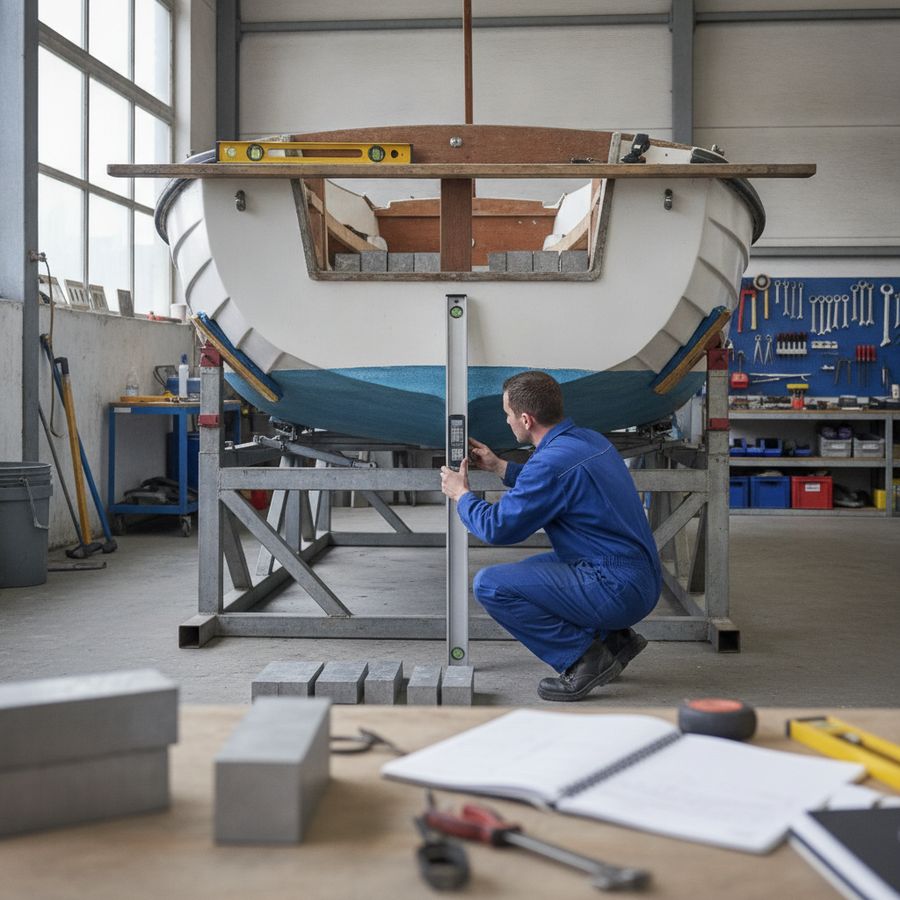
Im Yachtbau sind massive Bleiblöcke immer dann besonders interessant, wenn der verfügbare Raum klar definiert ist und der Kielballast exakt positioniert werden soll. Gegossene Blöcke bringen ein berechenbares…

Read more

Ajuste del lastre en buceo recreativo y técnico

La distribución de peso buceo no es fija, porque cada inmersión combina variables distintas: tipo de botella, volumen del chaleco, salinidad, profundidad y equipo adicional. Un buceador con la misma cantidad total de…

Read more

Répartition des poids : loisir et tek, deux logiques

Le lestage plongée ne se pense pas de la même façon selon que l’on pratique la plongée récréative ou la plongée technique. En loisir, l’objectif principal est simple : obtenir une flottabilité neutre facile à gérer,…

Read more

Cinturones de lastre: ajuste seguro y mantenimiento

Elegir bien entre distintos cinturones de lastre empieza por una medición realista del usuario, del traje y de la carga de plomos que va a llevar. La talla de cinturón no debe calcularse solo con la cintura en seco:…

Read more

Trim mistakes that compromise diver safety

One of the most common trim mistakes divers make is swimming with their torso too upright or their legs dropped below the body line. That posture increases frontal area in the water, which creates more drag with every…

Read more

Poids de cheville et de cou : usages sans surcharge

Les poids de cheville et le poids de cou n’apportent pas les mêmes avantages à tous les plongeurs. Leur intérêt dépend surtout de la morphologie, du volume de la combinaison, de la flottabilité des jambes et de la…

Read more

Poids de cheville : utilité réelle et limites

Le poids de cheville n’est pas un accessoire universel, mais il peut rendre un vrai service dans certaines configurations. Son rôle principal est de compenser une flottabilité positive au niveau des jambes ou des pieds,…

Read more

Beschichtete oder rohe Tauchgewichte im Vergleich

Im Tauchgewichte Vergleich entscheidet die Materialoberfläche oft stärker über den Alltagseinsatz als das reine Kilogramm auf der Waage. Sowohl beschichtete Tauchgewichte als auch rohe Tauchgewichte erfüllen denselben…

Read more

Tech diving weight setup mistakes that cost trim

In technical diving, a weight difference that looks minor on land can become a serious problem underwater. A half-kilo placed too far forward or too low on the body may be enough to create persistent trim mistakes,…

Read more

Cinturones de lastre o bolsillos integrados

Al comparar cinturones de lastre y bolsillos integrados, la primera diferencia aparece en la operativa diaria. El cinturón destaca por su simplicidad mecánica: se coloca rápido, acepta distintos bloques o bolsas de…

Read more

Gecoat of ongecoat duiklood: wat gaat langer mee

De vraag gecoat of ongecoat duiklood begint niet bij uiterlijk, maar bij de combinatie van basismateriaal, productieproces en afwerking. Lood zelf is zwaar, relatief zacht en gevoelig voor oppervlakkige beschadiging.…

Read more

Beschichtete oder rohe Tauchgewichte im Praxistest

Im direkten Tauchgewichte Vergleich zeigt sich schnell, dass die Materialoberfläche mehr beeinflusst als nur die Optik. Beschichtete Tauchgewichte sind im Alltag meist angenehmer zu greifen, weil ihre Oberfläche glatter…

Read more

Beschichtete oder rohe tauchgewichte im praxistest

Beschichtete Tauchgewichte zeigen ihre Stärken immer dann, wenn Material täglich bewegt, gestapelt und von vielen Händen genutzt wird. In Tauchschulen, Basen und auf Booten zählen nicht nur Kilogramm, sondern auch…

Read more

Plombs revêtus ou bruts : lequel vendre en magasin ?

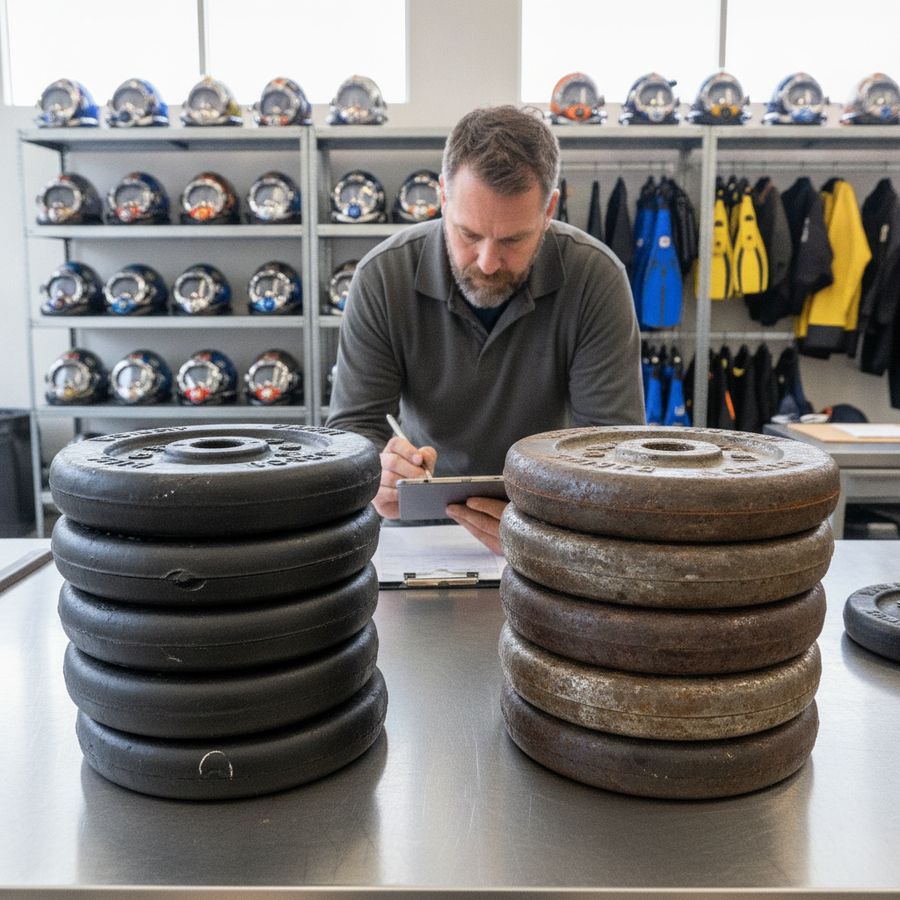
Pour un magasin de plongée, la différence entre plombs revêtus et plombs non revêtus ne se limite pas à l’apparence. Un plomb de plongée brut est généralement plus simple, plus industriel et souvent choisi pour son prix…

Read more

Trim en gewichtsverdeling per type duiker

Trim en gewichtsverdeling ziet er bij recreatieve en technische duikers vaak anders uit, omdat hun configuratie, houding in het water en duikdoel niet gelijk zijn. Een recreatieve duiker gebruikt meestal één fles, een…

Read more

Common buoyancy errors and their weight fixes

Many buoyancy errors start long before a diver reaches the bottom. They usually begin with rushed preparation, borrowed equipment, or assumptions about how much lead is needed. A diver who enters the water without…

Read more

Plomb doux nickelé : entretien, limites et usages

Le plomb doux nickelé est conçu pour répondre à un besoin très concret dans le lestage de plongée : limiter l’oxydation de surface, garder un aspect plus propre et faciliter la manipulation au quotidien. Dans un sac de…

Read more

Bloques de plomo para yates: peso, formato y montaje

En la construcción y reforma de embarcaciones, los bloques de plomo cumplen una función técnica clara: aportar masa donde se necesita para mejorar la estabilidad naval, corregir escoras y optimizar el asiento del casco.…

Read more

Scuba weighting: trim and weight distribution tips

Scuba weighting is a fundamental skill for every diver aiming to achieve optimal buoyancy control and comfort underwater. Proper weighting and trim not only enhance your diving experience but also improve safety and…

Read more

Ankle weights vs neck weights: when to use each

Scuba trim is a critical aspect of diving that influences comfort, efficiency, and safety underwater. Achieving proper trim means positioning your body horizontally in the water to minimize drag and optimize propulsion.…

Read more
Coated vs uncoated dive weights: what to choose

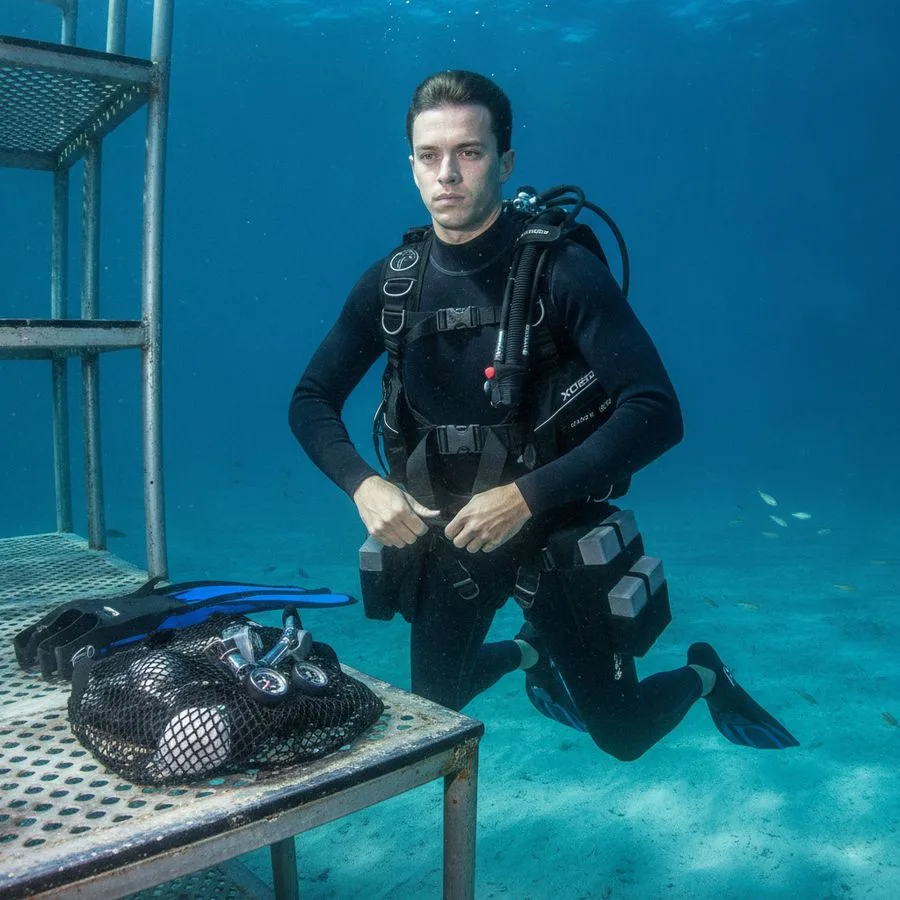
Dive weights are essential gear for any diver, helping to achieve neutral buoyancy underwater. The choice between coated dive weights and uncoated dive weights is a common consideration for divers and dive shops alike.…

Read more
Nickel-plated soft lead: care and corrosion tips

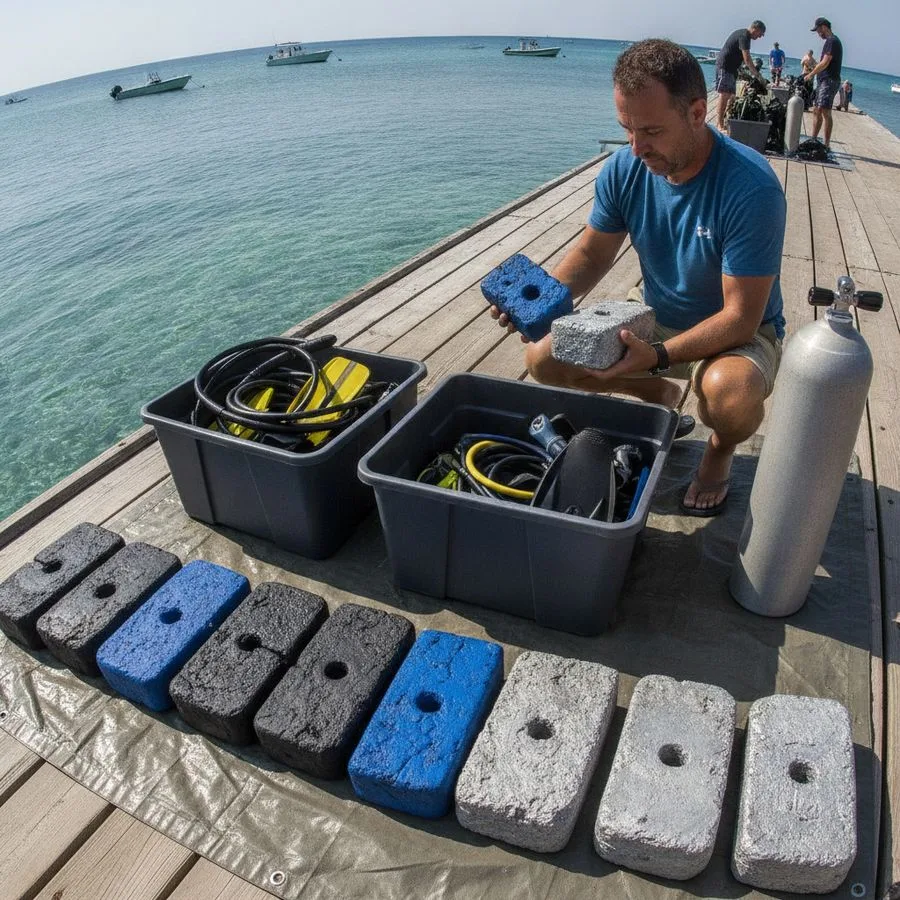
Nickel-plated soft lead is a specialized type of dive weight designed to enhance diving experiences by combining flexibility with durability. These weights are essential for divers seeking reliable ballast that…

Read more
Ankle weights and neck weights: when to use them

Ankle weights and neck weights are specialized tools used primarily in scuba diving to help divers maintain proper buoyancy and trim underwater. While traditional weight belts and integrated weight systems are common,…

Read more
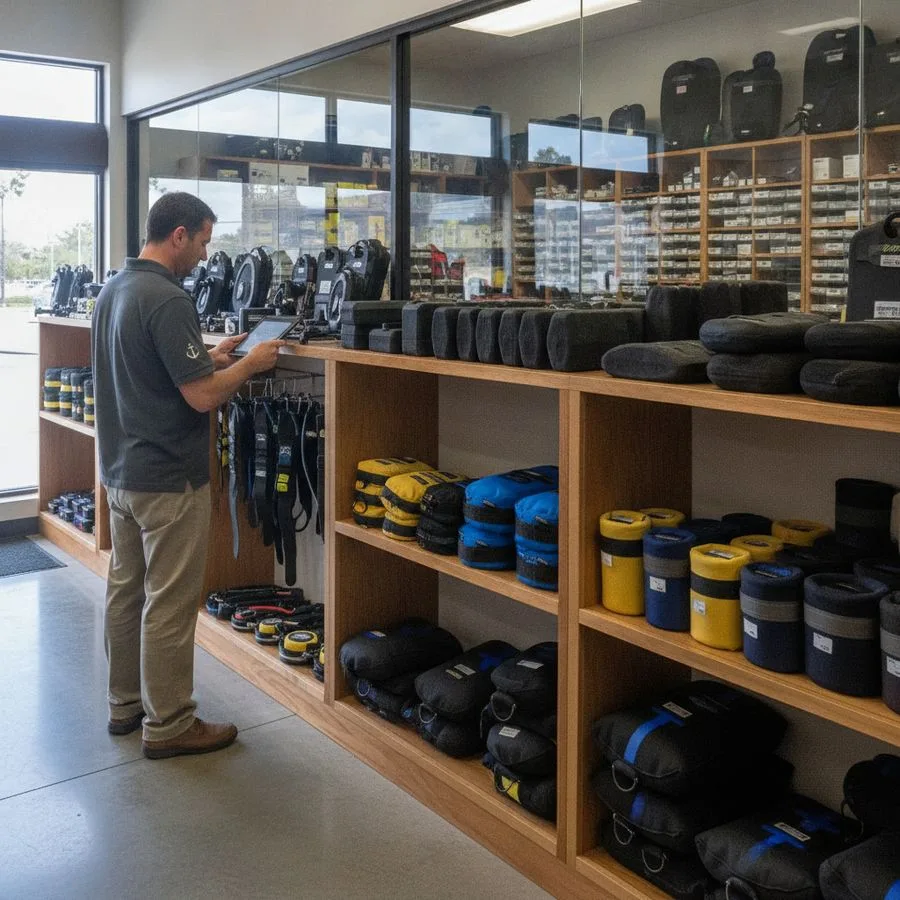
Weight belts vs integrated weights: pros and cons

When it comes to scuba diving, selecting the right diving weights is crucial for safety, comfort, and performance underwater. Among the most common scuba weight systems, weight belts and integrated weights stand out as…

Read more
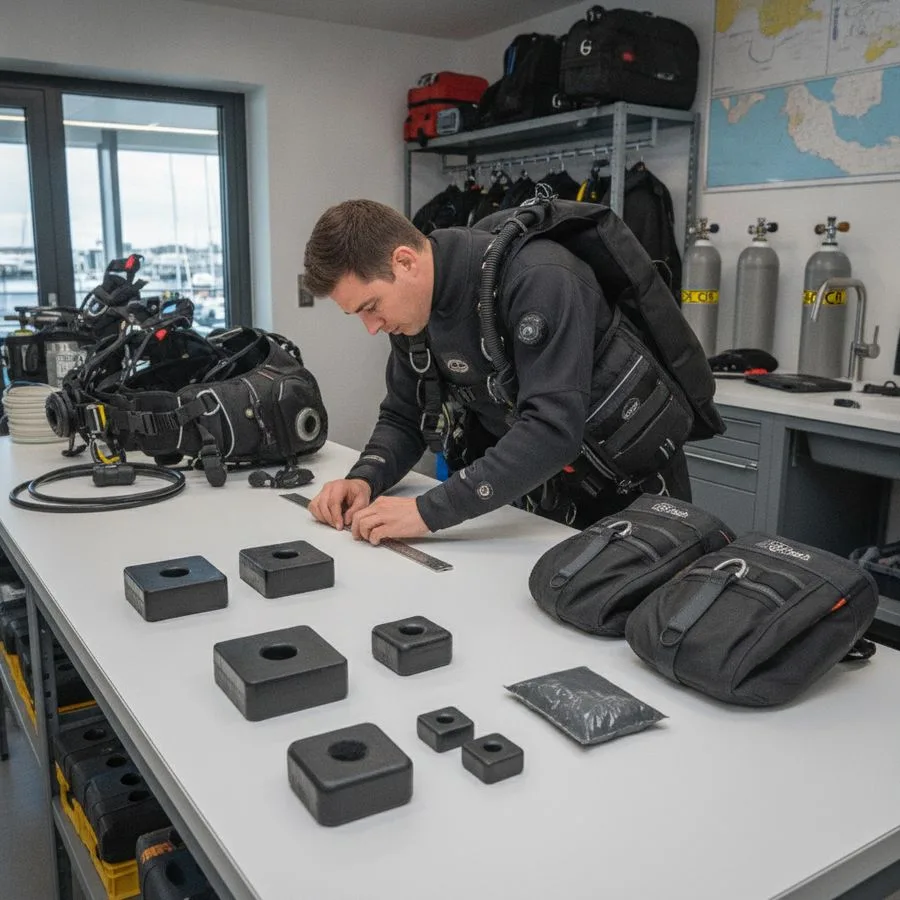
Dive weight size guide: 0.5 kg to 5 kg blocks

Dive weight sizes play a crucial role in ensuring proper buoyancy and safety during scuba diving. Selecting the right weight amount allows divers to achieve neutral buoyancy underwater, which enhances comfort, control,…

Read more
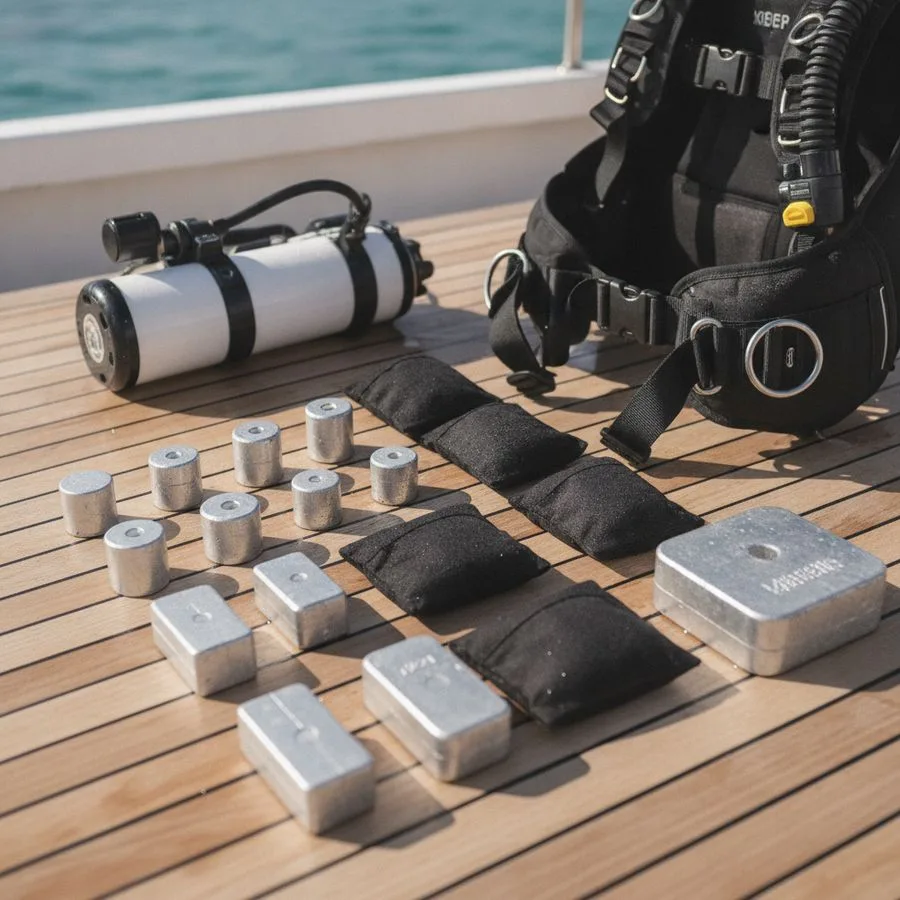
How to choose soft lead weights for scuba diving

Choosing the right soft lead weights is a critical aspect of scuba diving preparation that directly impacts your buoyancy control and overall comfort underwater. Soft lead weights, typically made in pouches or bags,…

Read more
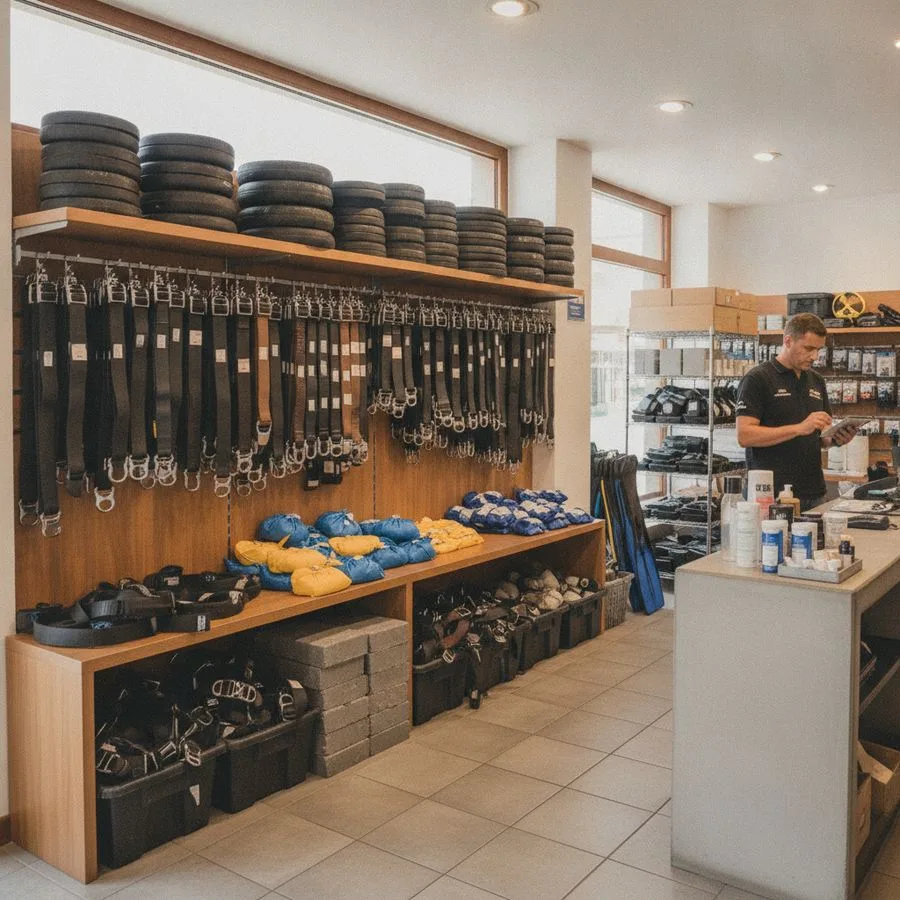
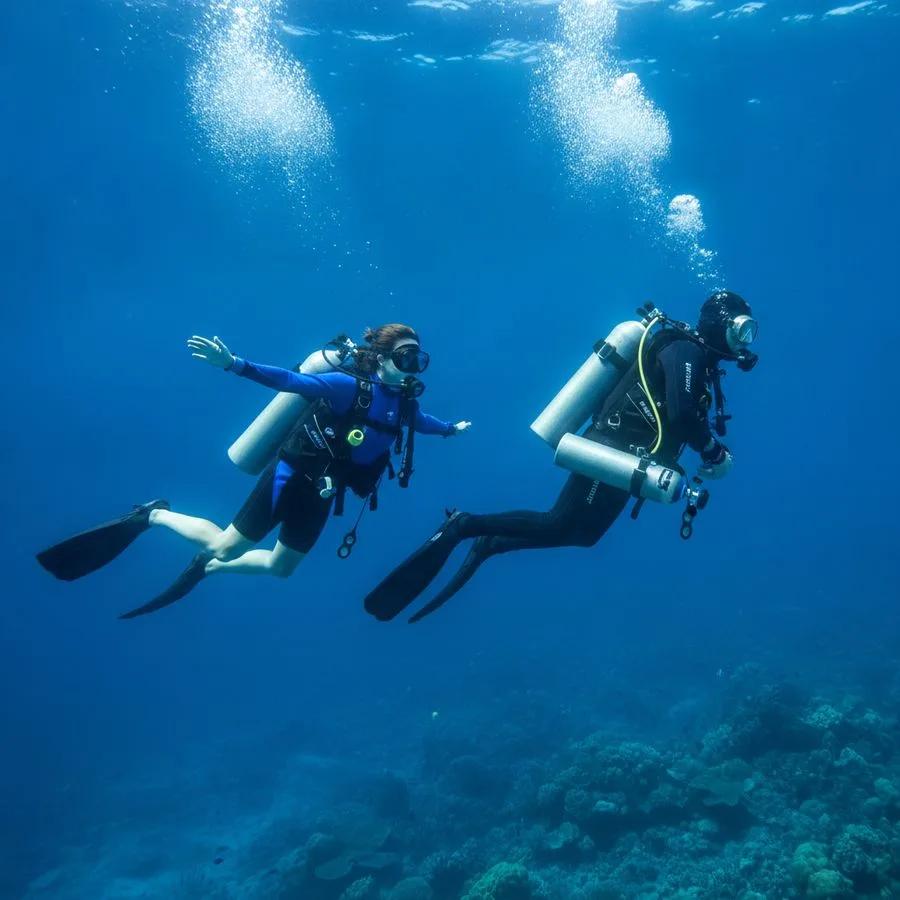
Scuba weighting trim: recreational vs tech diving

Scuba weighting trim is about more than how many kilos or pounds you carry. It also includes where that weight sits on your body and equipment, and how that placement affects your position in the water. Good trim means…
Read more

Scuba weighting trim: recreational vs tech diving

Scuba weighting trim is about more than how many kilos or pounds you carry. It also includes where that weight sits on your body and equipment, and how that placement affects your position in the water. Good trim means…

Read more

Soft lead care: nickel plating and shelf life

Soft lead remains a practical choice for divers, schools, and rental operations because it is compact, comfortable to handle, and easy to size for different training or equipment needs. When these dive weights are…

Read more

How dive shops cut dead stock in weight inventory

For many retailers, dead stock is not caused by dramatic buying mistakes. It builds slowly through small over-orders, inconsistent reordering, and a “just in case” mindset. In the context of dive shop inventory, weights…

Read more

Lead oxidation prevention in dive weights

Lead oxidation prevention matters for any dive shop, school, or distributor that handles large volumes of diving lead. While lead weights are durable and functional, their surfaces can dull, chalk, or leave residue when…

Read more

Trim and weight distribution for better buoyancy

Trim and weight distribution are at the heart of comfortable, efficient diving. When a diver is properly balanced in the water, buoyancy control becomes easier, movement feels smoother, and every kick produces better…

Read more

How dive shops plan inventory without dead stock

For many retailers, dead stock starts with one purchasing rule: buying more than the business can realistically sell. In a specialist category like diving lead, that problem grows quickly because sizes, formats, and…

Read more

Mares horizon and XDeep weight compatibility

When divers compare Mares Horizon setups with XDeep accessories, the first issue is usually not the lead itself but the harness geometry around the torso and hips. The Mares Horizon uses a hybrid recreational and…

Read more

The manufacturing behind reliable diving weights

Reliable dive gear starts long before a product reaches a shop shelf. In diving weight manufacturing, consistency depends on how closely a producer can manage each step, from raw material handling to final packing. When…

Read more